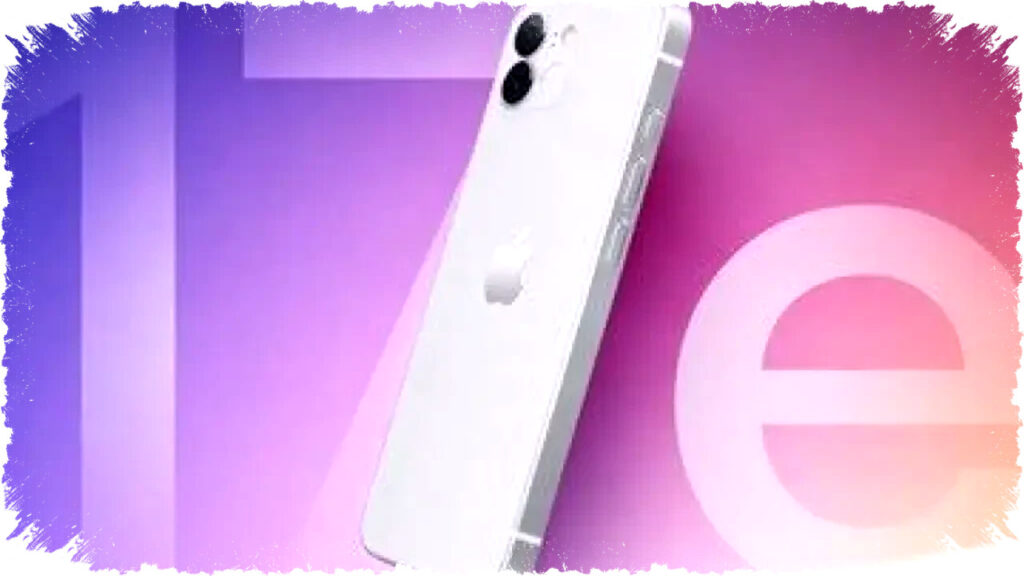
Apple is set to transform its entry-level iPhone lineup with the introduction of the iPhone 17e, featuring MagSafe wireless charging at speeds up to 25W. This marks a significant upgrade from its predecessor, the iPhone 16e, which only supported limited Qi wireless charging at 7.5W. The MagSafe feature not only enhances charging efficiency but integrates the device fully with Apple’s accessory ecosystem, including wallets, battery packs, and magnetic car mounts.
This new model is expected to launch in spring 2026, specifically on February 19, according to reliable supply chain reports from Taiwan. The addition of MagSafe technology on the more affordable iPhone model confirms Apple’s commitment to modern wireless standards and broadens consumer options by bringing high-end features to a lower price point.
MagSafe Integration and Qi2 Standard Support
The introduction of MagSafe on the iPhone 17e aligns closely with the global adoption of the Qi2 wireless charging standard. Qi2 facilitates faster and more efficient charging while ensuring compatibility across various devices and accessories. With support for MagSafe charging up to 25W, the iPhone 17e matches the wireless charging performance historically reserved for Apple’s higher-end models.
According to a Macworld analyst, “Apple recognizes that MagSafe is no longer a luxury feature but a functional standard. Removing it from the 17e model would make the device less competitive against mid-range Android phones now adopting magnetic wireless charging.” Thus, Apple’s decision reflects a strategic move to maintain market relevance amid increasing competition.
For optimal charging speeds, users are advised to pair the iPhone 17e with a power adapter rated at 30W or higher. This combination enables charging rates historically unavailable in entry-level iPhones, reducing charge times significantly.
Performance and Thermal Management with A19 Bionic Chip
Under the hood, the iPhone 17e is powered by the A19 Bionic chip, a slightly customized version tailored for this model. This chip features the latest Neural Engine designed to enhance Apple Intelligence capabilities, ensuring smooth operation of AI-driven functions.
The phone’s glass back is engineered not just for aesthetics but as an active thermal conduit. This design improvement helps dissipate heat generated during fast wireless charging sessions. It prevents the throttling issues common in earlier iPhone generations that lacked efficient heat management during MagSafe use.
Additional technical specifications supporting a balanced user experience include:
Modem C1X – Provides efficient 5G connectivity, reducing power consumption and prolonging battery life during wireless charging and daily use.
6.1-inch Display – Retains a compact form factor with slimmer bezels, delivering a modern look without increasing device size.
- 48MP Camera – Equipped with a single enhanced sensor optimized for AI-based image processing, improving photo quality while keeping hardware streamlined.
Market Strategy and Pricing
Despite these substantial upgrades, Apple plans to keep the iPhone 17e’s price competitive at approximately $599. This pricing strategy aims to strengthen product appeal in emerging markets and the corporate sector. The combination of advanced features and affordability targets users who prioritize operational efficiency and seamless accessory compatibility.
By reintegrating MagSafe into its entry-level offering, Apple addresses prior criticisms regarding feature compromises in the lower tiers of its product lineup. The new iPhone 17e is positioned not as a stripped-down alternative but as a fully capable, modern smartphone designed to support wireless lifestyles in 2026 and beyond.
Implications for Consumers and the Industry
The move to unify feature availability across all iPhone models may influence competitors to adopt similar standards in the mid-range smartphone segment. With MagSafe and Qi2 support becoming the norm, consumers can expect improved wireless charging experiences without needing premium models.
Moreover, Apple’s integration of a more efficient charging system could encourage accessory manufacturers to innovate further, expanding the ecosystem of compatible products. Users benefit from more versatile charging options, potentially reducing dependence on cables and enhancing convenience.
MagSafe’s return to an entry-level device symbolizes a broader shift in market expectations. Wireless charging is evolving from an exclusive feature into a baseline necessity, and Apple’s product strategy reflects this transformation. The iPhone 17e, with its upgraded charging speed and robust feature set, may well set new standards for affordable smartphones globally.