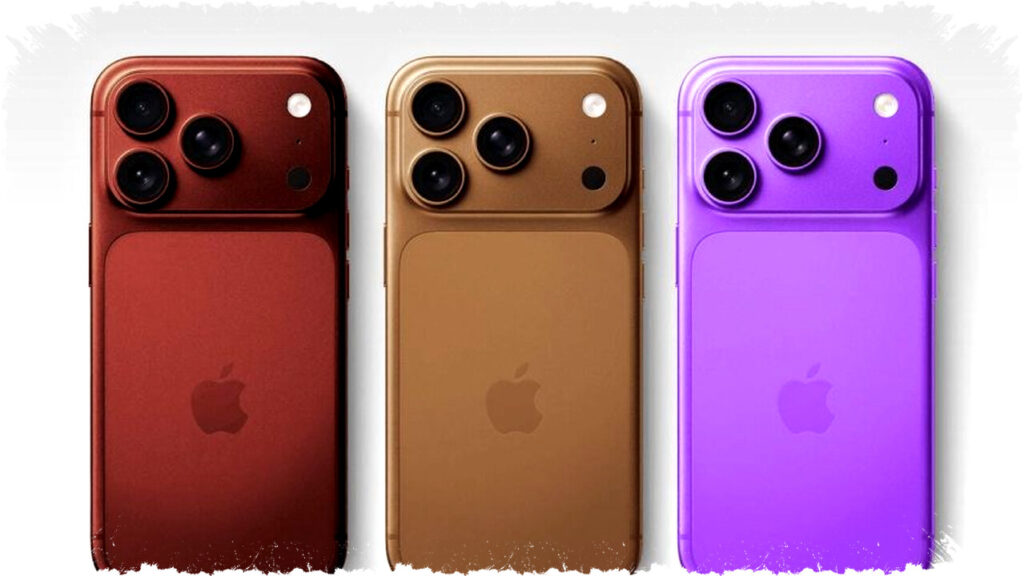
Apple is set to revolutionize the smartphone market in 2026 with the upcoming iPhone 18 series. This launch promises the first-ever 2nm chip fabrication and a mechanical variable aperture camera system, elevating both performance and photography to unprecedented levels.
The iPhone 18 Pro will debut the A20 Pro chip, manufactured by TSMC using a cutting-edge 2nm process. This breakthrough allows for a 30% increase in power efficiency and a 15% boost in performance compared to the A19 chip. The smaller node size means transistors are packed more tightly, reducing energy waste and enhancing speed. This leap represents Apple’s biggest internal upgrade in over ten years.
The A20 Pro chip will leverage a novel packaging technique where the RAM is placed directly atop the processor. This design enhances the iPhone’s computing capabilities, especially for artificial intelligence tasks handled on-device, such as the latest Siri assistant. Users should experience near-instant responses from Siri without relying on internet connections, thanks to this integration.
Innovations in Camera Technology: Variable Aperture
The photography aspect of the iPhone 18 Pro Max is equally groundbreaking. It introduces a mechanical variable aperture lens capable of adjusting between f/1.4 and f/2.8. This technology, often found in professional DSLR cameras, enables precise control of the amount of light entering the sensor.
According to an industry analyst cited by MacRumors, this feature is a game-changer for content creators. It allows natural bokeh effects without relying on software processing and significantly improves sharpness in extreme lighting conditions. Such capabilities are expected to set a new standard for smartphone photography.
On the front camera side, Apple is reportedly working on an under-display Face ID system. This advancement will reduce or completely remove the Dynamic Island notch area, leaving only a small hole-punch for a 24MP selfie camera. This approach aims to maximize screen real estate and maintain advanced biometric security.
Design Elements and Battery Enhancements
Visually, the iPhone 18 retains its titanium body, reflecting Apple’s commitment to durable premium materials. However, it introduces fresh color options like Burgundy and Coffee Brown, expanding personalization choices. Such colors are poised to appeal to users seeking elegance combined with uniqueness.
Battery improvements are notable as well. The Pro Max model is rumored to feature a 5,100 mAh battery—the largest ever in an iPhone. This upgrade supports a brighter 6.9-inch LTPO display, ensuring longer usage without compromising screen quality or power consumption.
Expected Price Range
Although Apple has not officially disclosed pricing, analyst predictions indicate the iPhone 18 Pro will start at approximately $1,300 USD. The Pro Max model, especially the 1TB variant, could cost between $1,550 and $2,000 USD in Indonesia’s market. These figures suggest Apple is positioning the iPhone 18 as a premium device, justified by its technological leaps.
Additional Developments: iPhone Fold
Alongside the iPhone 18 series, Apple is expected to introduce the “iPhone Fold,” marking its entry into foldable smartphones. This device will complement the flagship lineup and potentially expand Apple’s ecosystem. The foldable iPhone could appeal to users seeking larger, flexible displays paired with iOS capabilities.
This comprehensive upgrade with the first 2nm chip and mechanical variable aperture camera system highlights Apple’s strategic focus on performance and computational photography. The integration of new chip architecture, AI enhancements, advanced optics, and refined design positions the iPhone 18 as a technological landmark for the smartphone industry.
By pioneering these innovations, Apple aims not just to update its phone lineup but to redefine industry standards for 2026 and beyond. Consumers and tech enthusiasts alike will likely view the iPhone 18 as a significant milestone in mobile technology development.