


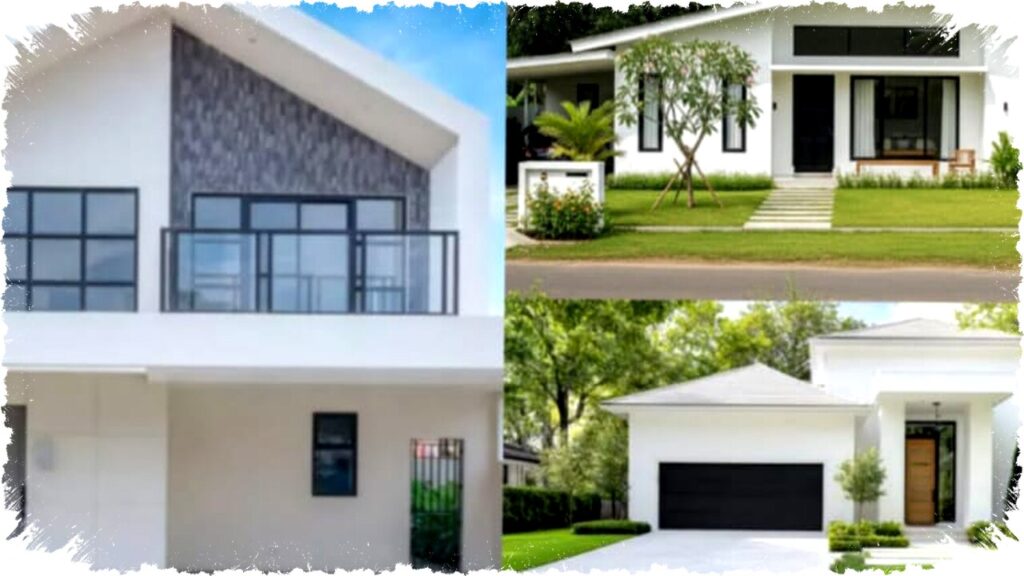
Minimalist white houses remain a top choice in architectural design. They offer a sleek, clean look that suits diverse lifestyles, especially for modern workers. Heading into 2026, the demand for practical, bright, and eco-friendly homes is rising rapidly.
White paint delivers a unique visual advantage by making spaces appear more spacious and luminous. It enhances natural light reflection throughout interiors and simplifies furniture placement regardless of the color schemes.
Bio-Climate Inspired Design
The bio-climate architectural approach is gaining momentum. This style aligns the house with the local climate to boost comfort and energy efficiency. White facades reflect heat, reducing indoor temperature. Strategic window placement ensures optimal cross ventilation, minimizing air conditioning use. Features like thin roofs with overhangs and eco-friendly secondary layers contribute to a naturally cool environment.
This approach not only lowers energy consumption but also makes homes feel alive by harmonizing with nature’s conditions. Experts predict this design trend to surge in popularity by 2026 due to its thermal comfort and sustainability benefits.
Porous Facade for Airflow and Light
Innovative white minimalist homes incorporate porous facades using elements like perforated panels or geometric lattice patterns. These designs promote airflow and natural light entry while maintaining privacy.
Porous walls reduce heat gain inside without heavy shading materials. The interplay of light and shadow adds an artistic dimension without excessive decoration. This technique presents a modern and breathable aesthetic aligned with minimalist principles.
Inner Courtyard for Natural Elements
A growing trend involves integrating an inner courtyard surrounded by white walls. This green space at the center improves ventilation and daylight penetration.
The courtyard supports mental well-being and air quality by introducing natural elements indoors and lowering ambient temperature. It imbues the home with a serene yet private atmosphere, combining minimalist structure with nature’s tranquility.
Modular Minimalist Homes
Modular construction is set to become a strong housing trend in 2026. These homes utilize simple white modules that can be expanded or rearranged as family needs evolve. Prefabricated eco-friendly materials reduce waste and accelerate building processes.
The modular concept enables flexibility and sustainability while maintaining a minimalist exterior. It promotes a design philosophy that balances aesthetic simplicity with functional adaptability.
Green Roofs Blending Nature and Design
Incorporating green roofs with white minimalist houses offers natural insulation and rainwater absorption benefits. This combination creates cool, energy-efficient homes with appealing color contrast.
Green roofs are gaining traction in densely populated areas as an ecological solution. The union of white structures and lush rooftop vegetation conveys harmony with the environment and adds a calming visual effect.
Japandi Tropical Style
The Japandi style merges Japanese minimalism and Scandinavian functionality, adapted for tropical climates. White forms the base palette, enhanced with light wood textures and natural materials.
This trend emphasizes serenity and efficiency, limiting decorative clutter while fostering warmth. Eco-friendly, breathable materials make this style perfect for tropical settings and support sustainable living.
Passive Technology Integration
Unlike technology-heavy smart homes, 2026 sees minimalist white houses adopting passive design technologies. They rely on natural insulation, white reflective walls, and optimized openings for airflow and lighting.
This "design-smart" approach maximizes comfort using architectural solutions rather than electronic gadgets. It presents a clean and practical form of innovation aligned with minimalist aesthetics.
Use of Recycled Materials
Sustainability is central to modern minimalist white homes through the use of high-quality recycled materials. Reclaimed wood, recycled concrete, and composite panels blend seamlessly with spotless white finishes.
This practice achieves a sophisticated, modern look without compromising ecological responsibility. It demonstrates that sustainability and minimalist elegance can coexist effectively.
Summary of Key Features
- Bio-climate design for natural cooling and energy efficiency
- Porous white facades enhancing ventilation and light
- Inner courtyards introducing greenery and privacy
- Modular construction allowing flexibility and eco-friendliness
- Green roofs providing insulation and aesthetic benefits
- Japandi tropical style with natural materials and minimalism
- Passive design technology prioritizing natural elements over gadgets
- Recycled materials used for sustainable and modern finishes
The evolution of minimalist white homes by 2026 reflects growing environmental awareness and lifestyle demands. These houses combine elegance, cleanliness, and sustainability into one functional package. The integration of passive technologies, eco-friendly materials, and nature-inspired elements sets a benchmark in contemporary residential architecture.