Apple’s iPhone 17 series has achieved a remarkable comeback in the fiercely competitive Chinese smartphone market. After three years of declining sales due to rising local brands, Apple’s revenues in China surged by 38% year-over-year in Q4 2025, reaching $26 billion. This resurgence signals Apple’s regained momentum in one of the world’s largest smartphone markets.
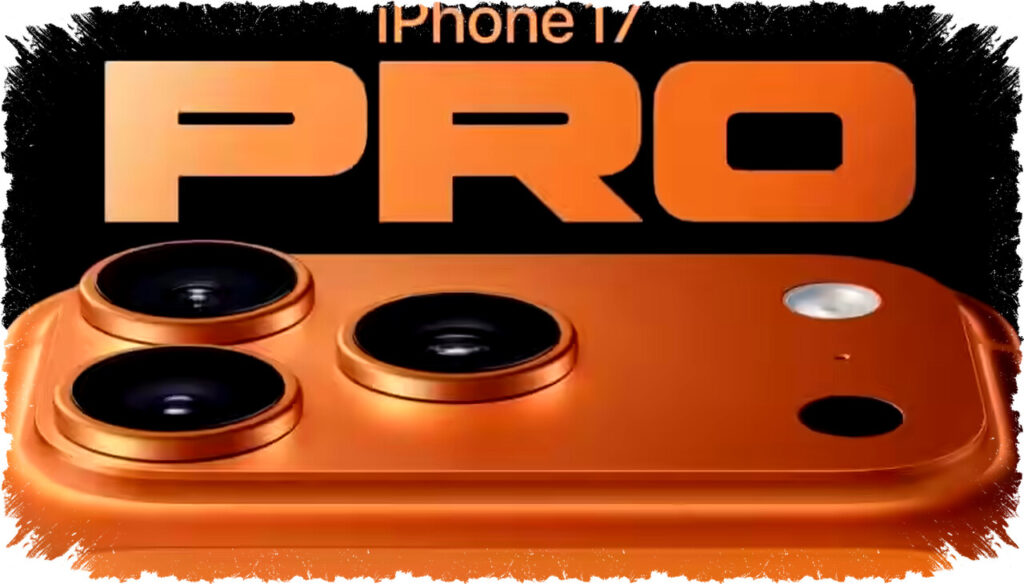
Contrary to early assumptions that artificial intelligence enhancements drove this growth, the primary catalyst turns out to be a bold design choice: the introduction of a new color variant called “Cosmic Orange.” This vibrant shade has captured consumers’ attention and sparked a cultural phenomenon that positively impacted sales.
Cosmic Orange Color: More Than Just Aesthetic Appeal
While technical innovation often defines smartphone success, Apple’s latest wave of popularity in China stems from a surprisingly simple factor—the device’s look, especially its Cosmic Orange hue. The shade went viral on Chinese social media platforms like Weibo and X, where users dubbed it “Hermès Orange,” likening it to the luxury fashion brand’s iconic color. This association enhanced the iPhone 17’s premium image in consumers’ eyes.
Market analysts note that design had been a lackluster element in past iPhone releases, with minimal visual changes over recent years. Cosmic Orange adds a fresh, striking appearance that appeals especially to China’s younger generation, highly active on social media. For many, owning this eye-catching color variant functions as a lifestyle statement, reinforcing individual identity through their gadget choice.
Cultural and Psychological Impact of Color
The enthusiasm surrounding the orange shade is not purely aesthetic; it also carries deep cultural resonance in China. The Mandarin word for orange (chéng) sounds identical to the word for success (chéng). This phonetic similarity has fueled a popular internet slogan: “May all your wishes turn orange,” implying that purchasing the Cosmic Orange iPhone symbolizes good luck and fulfillment of desires.
Such cultural associations elevate the color beyond mere style. In a market where symbolic meanings greatly influence consumer behavior, Cosmic Orange taps into psychological triggers that increase buyer enthusiasm and willingness to pay. Apple’s design strategy thereby capitalizes on a culturally embedded belief system to drive demand.
Government Subsidies Boost Affordability
Apple’s sales growth in China also benefited from targeted government subsidies. The entry-level iPhone 17 qualified for financial incentives worth up to 500 yuan (around $70). This subsidy lowered the effective retail price, making the device more accessible to the middle-class demographic, the segment Apple aims to grow within the region.
Combined with the compelling visual appeal of the Cosmic Orange color, the subsidy created a powerful value proposition. Experts evaluate Apple’s ability to tailor both pricing and aesthetics as a crucial factor differentiating its approach from competitors relying solely on technological upgrades.
Social Media Virality and Organic Marketing
The spread of Cosmic Orange’s popularity was amplified by organic social media activity. Videos featuring unboxing, color reviews, and lighting comparisons flooded digital channels, energizing public interest. Each new post further fueled curiosity and drove consumers to experience the hue firsthand.
This viral pattern formed a feedback loop, where exposure begets desire, bypassing traditional advertising methods. In Apple’s case, visual social proof proved more effective than paid campaigns, especially among younger users prone to follow internet trends.
Product Criticisms: Durability Concerns
Despite the overwhelmingly positive reception, the Cosmic Orange variant has faced some criticism regarding durability. Early adopters reported the titanium frame’s paint is prone to scratches and peeling, particularly around frequently touched areas like the charging port and volume buttons. Online comments also note that the color’s indoor appearance lacks the same vibrant shine visible under sunlight, sometimes appearing duller than promotional images suggest.
These drawbacks highlight a trade-off between striking design and practical resilience, a consideration for consumers valuing long-term premium look maintenance.
Strategic Lessons for Apple and Competitors
The success of the iPhone 17 highlights that innovation need not always be technological or feature-based to drive market performance. Apple’s use of a culturally significant color demonstrates how simple design pivots can foster differentiation in saturated markets.
This approach serves as a strategic reminder for companies: understanding local consumer preferences—including social, cultural, and psychological contexts—is as essential as investing in cutting-edge technology. For competitors, the iPhone 17’s surge signifies that visual identity remains a potent tool to capture market share.
Key Factors Behind iPhone 17’s Sales Boom in China:
- Introduction of the Cosmic Orange color, linked to luxury brand Hermès.
- Cultural connections tying the color to success and good fortune.
- Government subsidies reducing the purchase price by $70.
- Viral social media content driving organic interest and social proof.
- Apple’s ability to combine price incentives with culturally relevant design.
In summary, Apple’s resurgence in China with the iPhone 17 is a multi-faceted story. It shows how color symbolism, cultural alignment, economic incentives, and social media dynamics jointly influence modern consumer electronics markets. Apple’s ability to revive flagging sales with a well-timed design innovation underscores that understanding local market nuances can yield competitive advantages beyond hardware specs alone.
If this trend persists, it may inspire future iPhone models worldwide to integrate culturally meaningful design elements tailored to specific regions. The case also offers lessons for the broader tech industry exploring how emotional and cultural factors impact buying decisions in a hyper-connected global marketplace.