


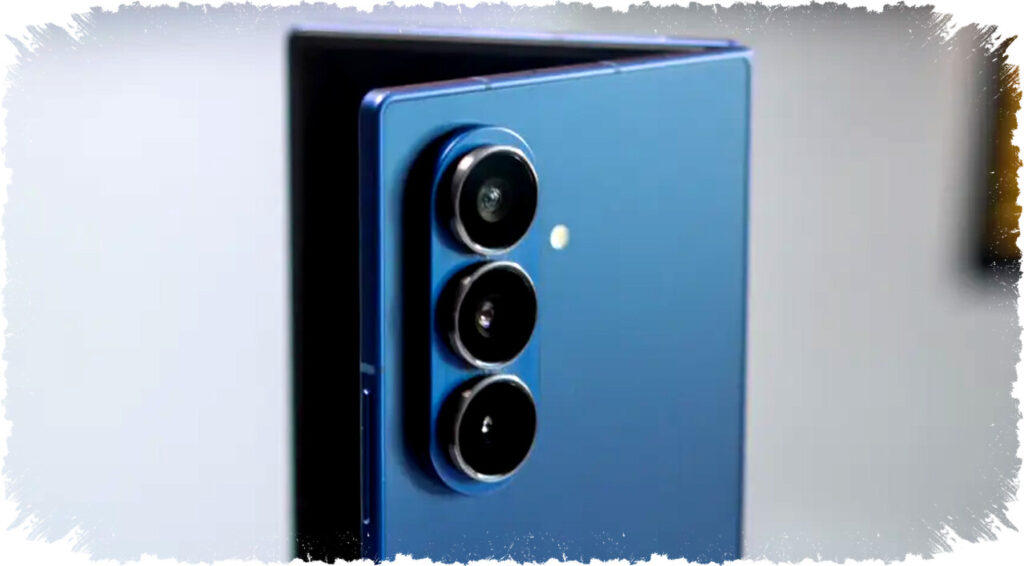
Samsung is reportedly preparing a wider design for the Galaxy Z Fold series, aiming to enhance user experience with an improved cover screen ratio. According to a recent GSMArena report, the next generation of Galaxy Z Fold will feature a different aspect ratio than previous models, focusing on making the outer display broader and more functional.
Traditionally, Galaxy Z Fold devices have a relatively narrow outer screen with an elongated aspect ratio. This design supports the vertical folding mechanism but is often criticized for being less comfortable for one-handed use or quick typing. The upcoming design change appears to be a strategic response to stronger global competition in the foldable smartphone market.
Why Samsung is Changing the Outer Screen Design
Samsung’s current narrow cover screen has been a notable issue for some users who find it inconvenient for everyday tasks. The new, wider cover screen will potentially make interacting with notifications, messaging apps, and social media easier without fully unfolding the device. This improvement could align the Galaxy Z Fold more closely with conventional smartphone usability, but with the advantage of foldable flexibility.
Other manufacturers have introduced foldable smartphones with outer displays closer in size and shape to traditional phones. Samsung’s shift towards a wider outer screen aims to combine the foldable’s unique selling points with increased practicality for daily use. This change is expected to influence the device’s overall folded dimensions, making it feel more natural to hold and interact with.
Impact on Device Dimensions and Usability
A wider outer screen on the Galaxy Z Fold means the device’s width when folded will increase. Industry insiders speculate that the new aspect ratio will better accommodate typical smartphone functions without relying heavily on the main inner display. Currently, many apps do not fully optimize for the slim cover screen, limiting usability and forcing users to open the phone for more comprehensive access.
Adjusting the outer screen size also means Samsung must revisit its hinge mechanism and internal panel designs. The company needs to balance durability, foldability, and ergonomic comfort. The Galaxy Z Fold’s main screen traditionally has a square-like aspect ratio, which facilitates split-screen multitasking and media consumption. Any dimensional adjustments in the outer screen must therefore harmonize with the foldable’s core design philosophy.
Samsung’s Foldable Innovation Path
Since introducing the first Galaxy Fold in 2019, Samsung has led the commercial foldable smartphone market. The company has consistently refined hinge durability, ultra-thin glass (UTG) screen protection, and its One UI interface to optimize multitasking on folding devices. Despite these advances, the narrowness of the outer screen has regularly appeared as a drawback in product reviews.
The wider screen concept marks a significant evolution for the Galaxy Z Fold lineup, focusing more on user comfort and practical daily interaction. This shift reflects Samsung’s willingness to adapt design choices to satisfy emerging consumer preferences and competitive pressures, especially from Chinese foldable device makers.
Competitive Landscape and Market Trends
Competitors from China have recently launched foldable phones that, when closed, resemble premium traditional smartphones more closely than previous foldables. This design approach has attracted consumers preferring a larger screen experience without sacrificing everyday usability. Samsung’s potential redesign thus aims to balance the pioneering foldable technology it is known for with a form factor that appeals more broadly.
Given the increasing competition and evolving consumer expectations, product differentiation through optimized screen ratios may become a key factor for Samsung to maintain its leadership in premium foldable smartphones.
Current Status and Future Outlook
As of now, Samsung has not officially confirmed these design changes or provided detailed specifications for the next Galaxy Z Fold generation. The information remains based on industry leaks and rumors, with no official announcement on launch timelines or product names.
If realized, a wider outer display would represent one of the most substantial design updates to the Galaxy Z Fold series in recent years. It highlights Samsung’s intent not only to improve folding screen technology but also to enhance user convenience in everyday use scenarios.
This development will be closely watched by industry analysts and consumers, as it may set the future direction of foldable smartphone ergonomics. The evolution of the Galaxy Z Fold could become a defining indicator of Samsung’s premium foldable strategy amid intensifying global competition.
Summary of Potential Changes
- WIDER outer screen with a new aspect ratio
- INCREASED overall folded width for better usability
- REVISED hinge and internal panel design to balance durability and ergonomics
- ENHANCED cover screen experience for one-handed use and quick tasks
- MAINTAINED main screen square-ish ratio to support multitasking
Samsung’s readiness to upgrade the Galaxy Z Fold’s cover screen signals a strategic shift focusing on practical use improvements. As foldable technology matures, balancing innovation with ergonomic needs will be crucial to winning consumer favor in this premium segment.