


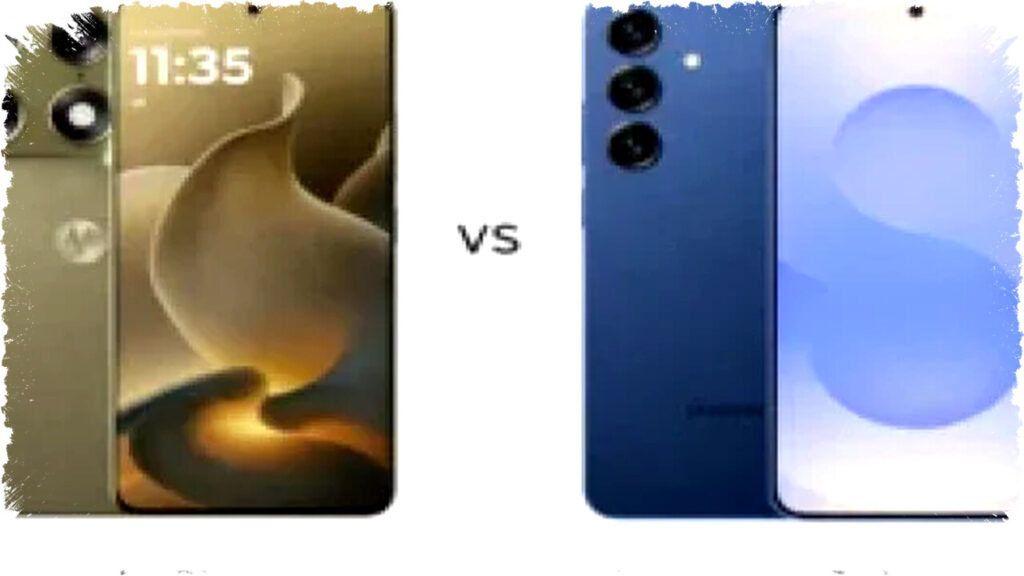
Motorola Signature and Samsung Galaxy S25 represent the latest frontrunners in the premium smartphone market. Both devices bring cutting-edge hardware and advanced features, but they also cater to slightly different user priorities. Comparing these two flagship smartphones helps potential buyers identify which model balances innovation, performance, and value best.
Motorola Signature enters the scene with a notably aggressive price point around $660. Its highlight is a stunning 165Hz LTPO AMOLED display capable of maximum brightness reaching 6200 nits. Samsung Galaxy S25, priced at about $800, offers a more compact Dynamic LTPO AMOLED 2X screen measuring 6.2 inches with a 120Hz refresh rate and 2600 nits peak brightness. These display choices reflect different approaches to user experience—Motorola emphasizes ultra-smooth visuals and sunlight visibility, while Samsung focuses on more traditional flagship screen technology optimized for portability.
Performance Showdown: Snapdragon 8 Gen 5 vs Snapdragon 8 Elite
At the heart of Motorola Signature lies the Snapdragon 8 Gen 5 chipset built on an advanced 3nm process. This chip partners with up to 16GB RAM and super-fast UFS 4.1 storage, promising solid future-proofing for demanding apps and multitasking. Motorola also commits to Android 16 and guarantees seven major OS updates, ensuring software longevity.
On the other hand, Samsung Galaxy S25 runs on the Snapdragon 8 Elite with 12GB RAM. Although it offers less memory, Samsung’s One UI 8 is highly optimized to deliver smooth multitasking and efficient thermal management. This results in consistent performance without overheating or excessive battery drain. While Motorola technically offers higher raw specs, Samsung focuses on refined system-level optimization to maintain enduring user satisfaction.
Display and Build Durability
Motorola’s large 6.8-inch display coupled with an ultra-high 165Hz refresh rate enhances gaming and media consumption through silky-smooth motion clarity. Coupled with an IP68/IP69 rating and MIL-STD-810H military-grade durability certification, Motorola targets users who need a robust, high-performing device.
Samsung prioritizes compact ergonomics with its 6.2-inch display and uses Gorilla Glass Victus 2 along with Armor Aluminum 2 framing for a premium feel. Its slightly lower peak brightness still delivers vivid colors and good outdoor visibility. The smaller frame makes Samsung Galaxy S25 easier to use single-handedly, which could appeal to those seeking maximum portability without sacrificing display quality.
Camera Specifications and Battery Life
Both flagships feature a 50MP main sensor, yet their camera arrays differ significantly. Motorola Signature offers a versatile triple-sensor setup, including a 3x periscope telephoto lens and an ultrawide camera. It supports 8K video recording with Dolby Vision, aiming to attract content creators requiring high resolution and dynamic range in video. The camera system’s larger sensors also enhance low-light photography.
Samsung Galaxy S25 presents a 50MP main camera, accompanied by a 10MP telephoto and 12MP ultrawide lenses. Samsung excels with computational photography, particularly through features like “Best Face,” which improve portrait shots and photo quality automatically.
Motorola leads in battery capacity with a sizable 5200mAh cell supporting fast charging at 90W. This contrasts with Samsung’s 4000mAh battery and slower 25W charging speeds, making Motorola more suited for prolonged usage without frequent recharging stops.
Price and Ecosystem Integration
Pricing is a significant factor for many buyers deciding between these two phones. Motorola Signature’s $660 price presents a compelling value proposition given its high-end processor, superior display, and larger battery. It clearly targets users prioritizing maximum hardware performance at a mid-range flagship cost.
Samsung Galaxy S25’s $800 price tag leans toward customers already invested in Samsung’s extensive device ecosystem. Samsung’s seamless integration across tablets, wearables, and smart home gadgets via One UI 8 offers unmatched convenience and a consistent user experience. Additionally, Samsung’s broader service and support infrastructure remain a decisive factor for brand loyalists.
Key Specifications at a Glance
| Specification | Motorola Signature | Samsung Galaxy S25 |
|---|---|---|
| Display | 6.8" LTPO AMOLED, 165Hz, 6200 nits | 6.2" Dynamic LTPO AMOLED 2X, 120Hz, 2600 nits |
| Processor | Snapdragon 8 Gen 5 (3nm) | Snapdragon 8 Elite |
| RAM | Up to 16GB | 12GB |
| Storage | UFS 4.1 | Not specified (likely UFS 4.0/4.1) |
| Rear Cameras | 50MP + 3x periscope telephoto + ultrawide | 50MP + 10MP telephoto + 12MP ultrawide |
| Video Recording | 8K Dolby Vision | 8K recording (standard) |
| Battery Capacity | 5200mAh, 90W fast charging | 4000mAh, 25W charging |
| Durability | IP68/IP69, MIL-STD-810H | Gorilla Glass Victus 2, Armor Aluminum 2 |
| OS and Updates | Android 16, 7 major updates | Android 16, support via One UI 8 |
With the rapid evolution of flagship smartphones, both Motorola Signature and Samsung Galaxy S25 push innovation in device performance and design. Motorola’s focus on raw hardware power, an impressively bright and high refresh rate display, and aggressive pricing could disrupt the current market dynamics. Samsung’s strength lies in polished software experience and deep ecosystem connectivity addressing a holistic user lifestyle.
Consumers weighing these options should consider their preferences carefully. Those valuing unrestrained speed, display clarity, and battery endurance at a budget-friendly price might lean toward Motorola. Alternatively, users invested in Samsung products and seeking cohesive device interoperability may find Galaxy S25’s ecosystem advantages more appealing.
As flagship devices become increasingly feature-rich, this comparison frames an insightful snapshot of where smartphone technology is headed within price segments near $600–$800. Both companies demonstrate strong commitments to innovation, software support, and user experience, ensuring healthy competition beneficial to consumers.