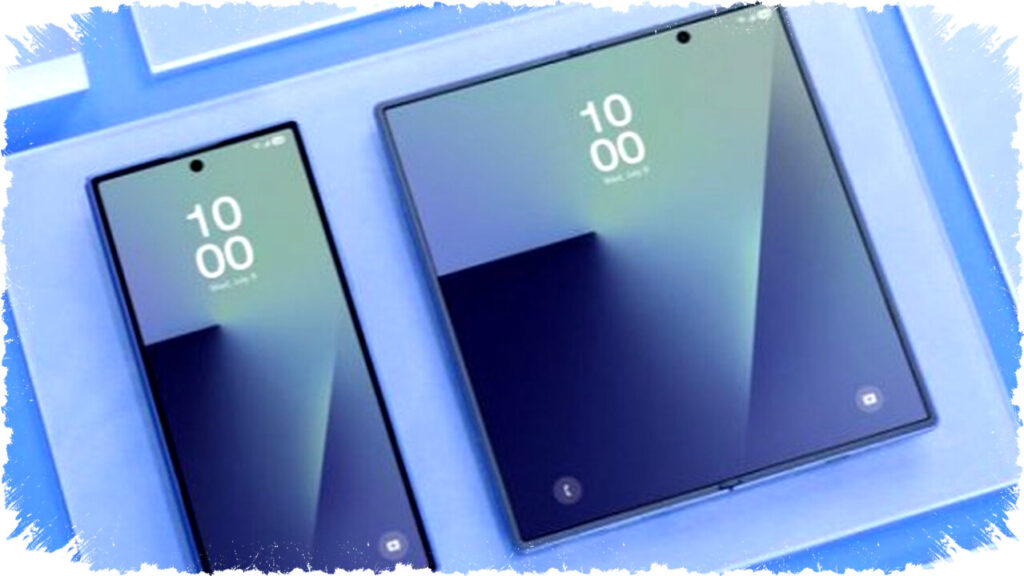
The battle of flagship foldable smartphones in 2026 pits Apple’s first iPhone Fold against Samsung’s Galaxy Z Fold 7. These premium devices target users who desire cutting-edge technology combined with versatile foldable designs. Both brands bring unique strengths that appeal to different priorities.
Samsung launched the Galaxy Z Fold 7 in July 2025, boasting several significant upgrades over its predecessor. Apple is expected to release the iPhone Fold in September 2026 with revolutionary crease-free display technology. Pricing reveals a notable difference: Galaxy Z Fold 7 starts at $1,999, while iPhone Fold commands between $2,000 and $2,500.
Design and Build Quality
Samsung’s Galaxy Z Fold 7 stands out as the thinnest and lightest foldable phone in its class. It is only 4.2 mm thick when unfolded and weighs 215 grams, impressive for a large-screen foldable device. The frame uses Armor Aluminum paired with Corning Gorilla Glass Ceramic 2. Samsung’s hinge mechanism comes with a durability rating of 200,000 folds, promising up to 10 years of use.
The iPhone Fold features a titanium alloy frame and a stainless steel premium hinge. It is slightly thicker, measuring 4.5 to 5.6 mm when open, and weighs modestly more than the Galaxy Z Fold 7. Apple focuses on the unfolded experience, akin to an iPad mini, featuring a smaller 5.3-inch outer display. Known for robust build quality, Apple’s design emphasizes precise craftsmanship and a solid feel during handheld use.
Display Comparison
Samsung equips the Galaxy Z Fold 7 with dual Dynamic AMOLED 2X screens. The cover screen measures 6.5 inches with a wide 21:9 aspect ratio, while the main internal display expands to 8 inches at a resolution of 2184 x 1968 pixels and a peak brightness of 2,600 nits. These specifications enable vivid visuals and an immersive viewing experience.
Conversely, the iPhone Fold offers a 7.76-inch main display with a resolution of 2713 x 1920 pixels. Its outer display is smaller at 5.49 inches with a squarer 4:3 aspect ratio. Apple’s crease-free technology aims to minimize visible fold lines, delivering a smoother and more seamless screen surface that may appeal to users sensitive to screen irregularities.
Performance and Chipset
Samsung’s Galaxy Z Fold 7 runs on the Snapdragon 8 Elite chipset, built on a 3nm fabrication process. It features an octa-core CPU clocked up to 4.47 GHz, achieving an AnTuTu benchmark score exceeding 2 million points, indicating top-level flagship capabilities. Memory options include up to 16GB LPDDR5X RAM paired with 1TB storage in the highest variant.
Apple’s iPhone Fold uses the A20 chipset fabricated at 2nm, pushing efficiency and power even further. Despite having 8-12GB RAM, iOS optimization ensures smooth multitasking and user experience. The A20 chip generally outperforms the Snapdragon 8 Elite in single-core and multi-core tests per core, reflecting Apple’s ongoing chipset dominance.
Camera Systems
Samsung equips its foldable with a triple-camera system featuring a 200MP main sensor with an f/1.7 aperture enhanced by the ProVisual Engine for detailed imaging. A 10MP telephoto lens offers 3x optical zoom, complemented by a 12MP ultra-wide lens. Selfies are covered by dual 10MP front cameras on both the cover and inner screens. Video recording supports 8K resolution with advanced stabilization, and low-light capabilities benefit from the large sensor and Samsung’s algorithms.
The iPhone Fold employs a dual-camera setup with a 48MP main lens and a 12MP ultra-wide lens. Instead of dedicated telephoto optics, it achieves a 2x optical-level zoom through computational photography. Front cameras consist of an 8MP outer and a 10MP inner sensor. Video capture reaches up to 4K resolution with impressively smooth, gimbal-like stabilization. Apple’s photographic software, including Deep Fusion and Smart HDR, delivers consistently natural colors and excellent dynamic range.
Ecosystem and User Experience
Samsung’s Galaxy Z Fold 7 integrates seamlessly within the Android ecosystem with high customizability and broad app compatibility. Its larger display and advanced camera hardware target power users and multimedia enthusiasts looking for versatility at a competitive price.
Meanwhile, the iPhone Fold capitalizes on Apple’s mature ecosystem, leveraging software synergy across iOS, iPadOS, and macOS devices. The crease-free display technology represents a significant innovation, enhancing premium appeal. Users invested in Apple’s ecosystem may prioritize performance smoothness and cohesive device interoperability.
Summary of Key Differences
| Feature | Samsung Galaxy Z Fold 7 | iPhone Fold |
|---|---|---|
| Release Date | July 2025 | Expected September 2026 |
| Starting Price | $1,999 | $2,000-$2,500 |
| Thickness Open (mm) | 4.2 | 4.5–5.6 |
| Weight (grams) | 215 | Slightly heavier |
| Main Display Size | 8.0 inches Dynamic AMOLED 2X | 7.76 inches, crease-free |
| Outer Display Size | 6.5 inches wide 21:9 | 5.49 inches square 4:3 |
| Chipset | Snapdragon 8 Elite 3nm | Apple A20 2nm |
| RAM | Up to 16GB LPDDR5X | 8–12GB |
| Camera System | Triple (200MP + 10MP tele + 12MP ultra-wide) | Dual (48MP + 12MP ultra-wide) |
| Video Recording | Up to 8K | Up to 4K |
| Hinge Durability | 200,000 folds (10 years) | Premium stainless steel hinge |
Choosing between these foldables depends on personal priorities: Samsung offers a more affordable, larger display device with a superior triple-camera setup. Apple focuses on performance efficiency, innovative crease-free display technology, and a well-integrated user ecosystem.
In 2026, both devices represent the pinnacle of foldable smartphones. Consumers must weigh the importance of price, display size, camera versatility, and ecosystem preferences to identify which flagship foldable represents the best value for their specific needs.