


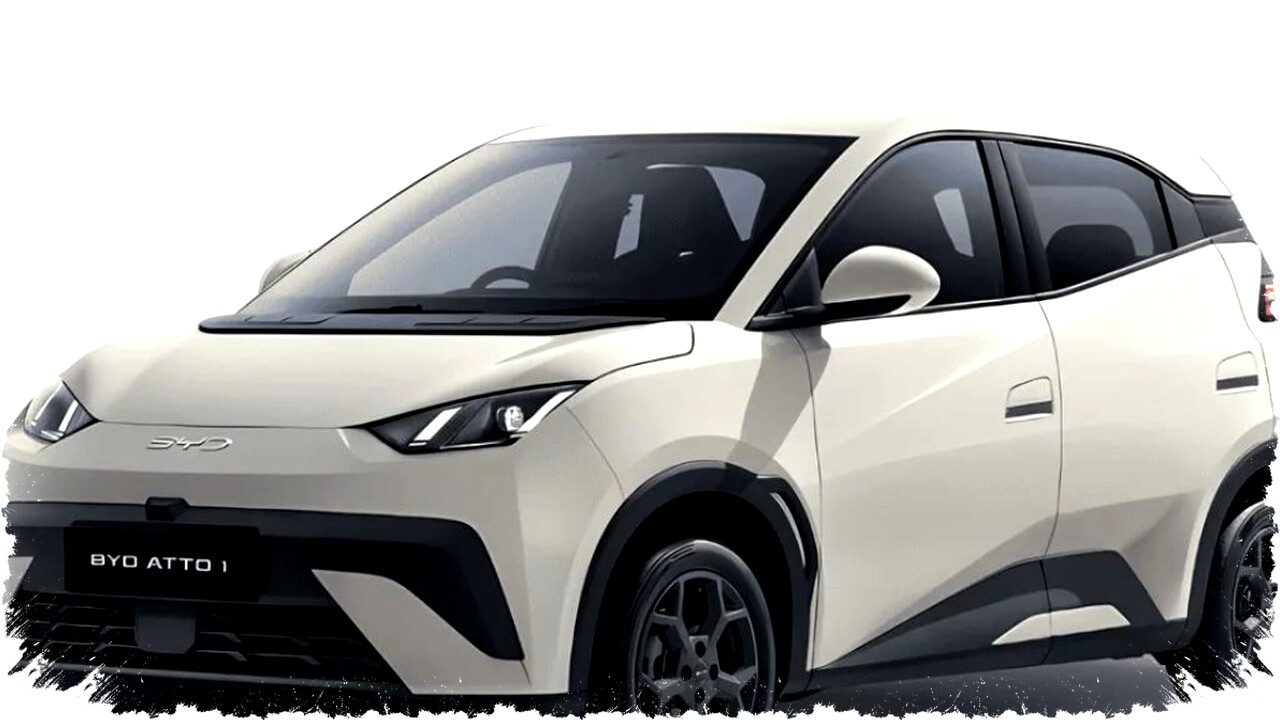
In 2026, owners of the BYD Atto 1 in Jakarta enjoy extremely affordable annual vehicle tax. The yearly cost for the Sumbangan Wajib Dana Kecelakaan Lalu Lintas Jalan (SWDKLLJ), a mandatory contribution to traffic accident funds, remains set at just Rp 143,000 (around $9.70). This nominal fee reflects a wider policy aimed at encouraging electric vehicle (EV) adoption across Indonesia.
The Vehicle Tax (Pajak Kendaraan Bermotor or PKB) component for the BYD Atto 1 remains zero in 2026, consistent with 2025 rates. This zero rate applies to the first vehicle registered under a company name in Jakarta. This exemption is part of a government initiative to support environmentally friendly transportation by waiving PKB and the Vehicle Transfer Fee (Bea Balik Nama Kendaraan Bermotor or BBNKB) for battery electric vehicles (BEVs).
Government Regulation Supporting EV Tax Incentives
The tax relief is established under the Ministry of Home Affairs Regulation No. 8 of 2024, which details the tax base for motor vehicle tax, vehicle ownership transfer fees, and heavy equipment tax for 2024 onward. Specifically, article 10 states that battery-based electric vehicles for personal, commercial, and public transport purposes are subject to 0% PKB and BBNKB. This exemption applies regardless of the vehicle’s market price, even for models costing billions of rupiah (equivalent to tens of thousands of USD).
No expiration date is currently specified for this tax policy. Unless amended, EV owners will only need to pay the SWDKLLJ annually, significantly lowering the cost of ownership compared to conventional internal combustion engine vehicles.
BYD Atto 1: A Compact Electric Hatchback with Advanced Features
The BYD Atto 1, also known as the BYD Dolphin in some markets, is a five-seat compact hatchback electric vehicle powered by the innovative Blade Battery technology. The Blade Battery uses lithium iron phosphate chemistry (LFP), offering improved safety and longevity.
It is available in two main variants: Dynamic and Premium. The Dynamic model has a battery capacity of 30 kWh with DC fast charging capability up to 30 kW. The Premium variant comes with a 38.8 kWh battery, charging at speeds up to 40 kW via DC fast charging stations.
Powering the BYD Atto 1 is a permanent magnet synchronous motor (PMS) integrated with a front-wheel-drive system. The motor delivers a maximum power output of 55 kW (approximately 74 horsepower) and 135 Nm of torque. These performance figures exceed some of the micro EV models and even outperform certain gasoline-powered Low Cost Green Cars (LCGCs) in torque.
Driving Experience and Practical Features
The instant torque enables the BYD Atto 1 to be agile in urban traffic conditions, providing a fun and responsive drive. In Sport mode, the vehicle can accelerate from 0 to 50 kph in under five seconds, enhancing responsiveness. The Eco and Normal driving modes adjust the pedal’s sensitivity but do not affect peak power output.
Charging from 30% to 80% state of charge on DC fast chargers takes roughly 30 minutes, providing convenient top-ups during a busy day. The exterior includes full LED headlights and a minimalist black matte grille, with 16-inch rims and subtle black matte accents reinforcing its dynamic appearance.
At the rear, a prominent spoiler helps manage rainwater accumulation despite the absence of a rear wiper. A signature scale-like design pattern adorns the tailgate, enhancing the car’s distinctive look.
Inside, the cabin offers higher quality materials and a spacious feel uncommon in this price range. It includes comprehensive features and safety equipment such as six airbags, supporting a comfortable and secure ride.
Why the Low Tax Incentive Matters for Urban Mobility
This government-backed tax incentive directly reduces the total cost of ownership for EV buyers. Compared to traditional vehicles that incur substantial annual PKB and registration fees, EV owners benefit from drastically reduced recurring charges. The Rp 143,000 ($9.70) SWDKLLJ is practically negligible when considering overall vehicle expenses.
Supporting factors like affordable taxes are critical for accelerating Indonesia’s transition from fossil fuel-powered vehicles to cleaner electric alternatives. Tax exemptions and incentives make EVs more accessible, increasing market competitiveness and encouraging manufacturers like BYD to introduce models such as the Atto 1 with modern features at accessible prices.
As the BYD Atto 1 continues to gain attention for its affordability and performance, tax policies that alleviate financial burdens on buyers will likely sustain demand. The presence of government regulations enshrining PKB and BBNKB waivers ensures this benefit may persist without interruption, reinforcing the strategic commitment to sustainable transportation in Indonesia.
Readers considering an EV in Jakarta or other urban areas in Indonesia will find the BYD Atto 1 a compelling choice financially and technically. The minimal annual taxation, quick charging capabilities, engaging drive, and solid build quality collectively position it as a smart investment for eco-conscious drivers seeking modern mobility solutions.