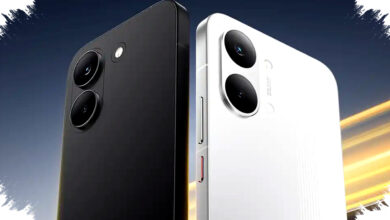
Samsung Galaxy S26 Ultra and Xiaomi 16 Ultra represent two distinct philosophies in smartphone photography. The S26 Ultra boasts a staggering 200MP camera that uses pixel binning to enhance image detail and brightness. Meanwhile, the Xiaomi 16 Ultra relies on a physically larger 1-inch sensor praised for superior light capture and color fidelity.
Samsung’s 200MP camera merges multiple small pixels into larger ones through pixel binning technology. This technique increases sensitivity to light and reduces noise, especially in low-light situations. The result is sharp, high-detail photos that maintain clarity even at night. However, this often comes with aggressive image processing to boost contrast and sharpen features, which some users find less natural.
Conversely, the Xiaomi 16 Ultra’s larger 1-inch sensor physically captures more light per pixel. This advantage translates into images with smoother gradients, less overexposure, and a more expansive dynamic range. Industry photography sources confirm that sensor size plays a crucial role in achieving natural-looking photos, often rivaling professional camera quality.


When shooting in daylight, the Samsung Galaxy S26 Ultra delivers extremely sharp images, capturing fine textures like leaf veins and wall surfaces. Colors pop due to heightened contrast and saturation, making images striking but slightly exaggerated—especially noticeable in sky tones appearing too vibrant. On the other hand, Xiaomi’s 16 Ultra renders colors more subdued and realistic, although it lacks the micro-level sharpness of Samsung’s approach.
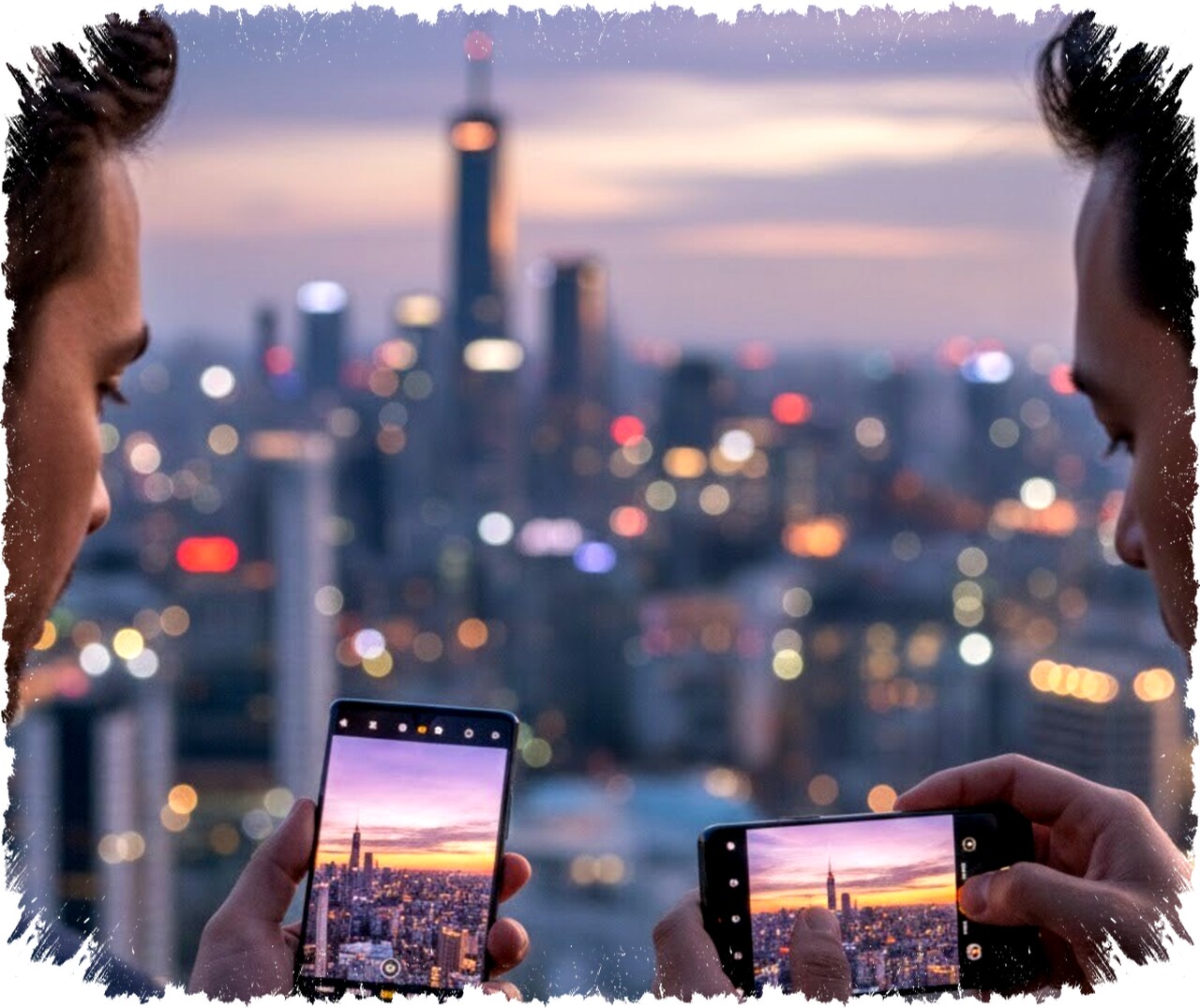
In low-light conditions, the larger sensor in Xiaomi’s model holds a clear advantage. It preserves shadow detail with minimal noise and controls bright city lights effectively. Samsung’s sensor provides higher sharpness but sometimes suppresses fine texture due to heavy noise reduction. Independent lab tests underline the 1-inch sensor’s higher signal-to-noise ratio, making it naturally better for dim environments.
Portrait photography further highlights the differences between the two. Samsung’s AI-powered depth mapping produces pronounced, dramatic bokeh effects. While visually appealing, this effect can appear overly artificial, diverging from the natural qualities of traditional optics. The Xiaomi 16 Ultra’s wide aperture combined with its large sensor creates smoother, more organic background blur. Photography literature confirms optically generated bokeh offers finer transitions than computational effects.
Video capture also shows contrasting strengths. Samsung excels in AI-enhanced stabilization and frame sharpness, leading to crisply detailed footage. Xiaomi delivers video with a broader dynamic range, creating cinematic scenes especially in high-contrast night settings such as urban lightscapes.
Choosing between these two cameras depends largely on photographic priorities and usage scenarios:
1. Samsung Galaxy S26 Ultra
– Offers extreme detail with 200MP resolution
– Best for cropping and detailed image exploration
– Features AI-enhanced processing for sharpness and stabilization
– Produces vivid and high-contrast images suitable for social media
2. Xiaomi 16 Ultra
– Uses larger 1-inch sensor for better light capture
– Excels in natural color reproduction and low-light performance
– Provides more realistic, softer bokeh effects optically
– Creates videos with wider dynamic range and cinematic appeal
Industry trends suggest that smartphone manufacturers increasingly attempt to combine high resolution and large sensors. This synergy aims to produce images that balance fine detail with natural color and light rendition, closing the gap with standalone cameras.
Ultimately, defining the “most natural” photo depends on visual preference. Naturalness often means images that closely resemble what the human eye perceives without exaggerated boosts in contrast or saturation. While Xiaomi’s larger sensor physically favors this outcome, advances in computational photography allow Samsung’s 200MP setup to approach a balanced appearance when optimized.
Both models demonstrate impressive photographic capabilities tailored to different user demands. Samsung’s Galaxy S26 Ultra appeals to detail enthusiasts prioritizing resolution and sharpness. Xiaomi’s 16 Ultra suits those seeking authenticity in color accuracy and better low-light fidelity. The choice hinges on whether the user values pixel-level detail or more true-to-life color and lighting.
As smartphone camera technology evolves, expect further innovations blending resolution, sensor size, and AI processing. These developments promise enhanced imaging that satisfies both clarity and realism in everyday photography.