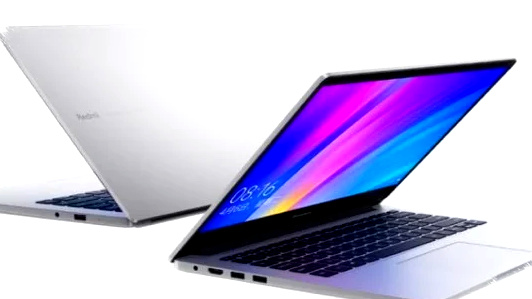
Redmi is preparing a major launch in China that could put its next devices in the spotlight across multiple product categories. The lineup is expected to include a high-performance laptop, a new tablet, and the Redmi K90 Ultra smartphone, giving the brand a broader push into premium hardware.
For readers looking for the latest Redmi laptop news, the most notable leak points to a new notebook powered by Intel Core Ultra X7 358H. The configuration is expected to include 32GB of RAM and 1TB of internal storage, which suggests Redmi is targeting users who need fast multitasking, heavy productivity, and a smooth experience for demanding workloads.
Redmi’s next laptop could be a serious performance upgrade
The leaked processor choice alone signals a big step forward for Redmi’s notebook line. Intel Core Ultra chips are built for modern hybrid computing, and the Core Ultra X7 358H is expected to deliver stronger performance than mainstream mobile processors in tasks such as video editing, design work, and large file handling.
The laptop is also said to come in 14-inch and 16-inch variants, which gives users a choice between portability and a larger workspace. That kind of split normally helps brands reach both students and professionals, especially buyers who want one device for office tasks, entertainment, and creative work.
If the rumors prove accurate, the upcoming model may arrive as the Redmi Book Pro 14 (2026) and Redmi Book Pro 16 (2026). The naming has not been confirmed yet, but the timing and hardware details suggest Redmi wants to refresh its premium notebook segment with a stronger performance focus.
Here is a simple breakdown of the key leaked laptop specs:
- Processor: Intel Core Ultra X7 358H
- Memory: 32GB RAM
- Storage: 1TB internal storage
- Display sizes: 14 inches and 16 inches
- Possible names: Redmi Book Pro 14 (2026) and Redmi Book Pro 16 (2026)
The new notebook is also expected to replace earlier models that used Intel Ultra 5 225 and Ultra 7 225H processors. That upgrade matters because it shows Redmi is not just refreshing the design, but also moving to a stronger platform that should feel noticeably faster in real-world use.
Why the Intel Core Ultra X7 matters
Intel’s Core Ultra lineup has become important in the laptop market because it balances performance and efficiency more effectively than older generations. In practical terms, that means better responsiveness when switching between apps, smoother work during long sessions, and improved support for modern AI-assisted features on compatible systems.
For creators, the combination of a high-end chip, 32GB of RAM, and 1TB of storage is especially relevant. Editing software, browser tabs, local project files, and background sync tools can all run at the same time without forcing the system to slow down as quickly as lower-tier machines.
That positioning also matters in a competitive market where many notebook buyers compare performance against battery life, display quality, and thermal control. Redmi appears to be aiming at users who want speed first, while still expecting a price that stays below traditional premium ultrabooks.
Redmi K Pad 2 adds a tablet option for gaming and media
Redmi is not stopping at laptops. The company is also reportedly preparing the Redmi K Pad 2, a compact tablet built around an 8.8-inch LCD display with 3K resolution and a 165Hz refresh rate.
That combination makes the tablet interesting for gaming, scrolling, and video playback, because high refresh rates can make motion appear smoother and more responsive. A 9,000mAh battery is also said to be included, which should help users go longer between charges.
The tablet is expected to use a flagship-class processor as well, though the exact chip has not been fully confirmed. Redmi is also reportedly adding a dual X-axis motor for better haptic feedback, which can improve gaming immersion and make everyday interactions feel more refined.
Another premium touch comes from the audio system. The tablet is tipped to include three speakers tuned by Bose, a detail that may appeal to users who watch movies or play games on their devices without using headphones.
The Redmi K90 Ultra aims at the high-performance crowd
The most attention-grabbing device in the upcoming launch is likely the Redmi K90 Ultra. This phone is rumored to use the MediaTek Dimensity 9500 chipset, a platform aimed at high-end performance and demanding mobile tasks.
The display also looks strong on paper. The phone is said to feature a 6.83-inch OLED panel with 1.5K resolution and a 165Hz refresh rate, which should deliver sharp visuals and very smooth animation. For users who play competitive games or watch a lot of fast-moving content, that spec sheet is clearly aimed at premium expectations.
Battery life could be another major selling point. Redmi is reportedly fitting the phone with an 8,500mAh battery and 100W fast charging support, a combination that should reduce downtime and make the device easier to use through a full day of heavy activity.
One unusual but welcome feature is the inclusion of an internal cooling fan. Smartphone thermals matter more than ever as mobile chips become more powerful, and active cooling can help sustain performance during long gaming sessions or large workloads.
A Bose-tuned triple-speaker setup is also expected, which suggests Redmi wants the K90 Ultra to stand out not only in speed, but also in entertainment quality. That matters because many premium buyers now compare audio quality alongside screen performance and charging speed.
What this launch says about Redmi’s strategy
The broader picture is clear: Redmi wants to compete across smartphones, tablets, and laptops with a single event that shows off a more complete ecosystem. That approach can strengthen brand loyalty, especially for users who prefer matching devices from one manufacturer.
It also reflects a market trend where hardware no longer succeeds on specs alone. Buyers now look for fast charging, high-refresh displays, better audio, and stronger thermal management, all while expecting competitive pricing compared with rival premium products.
Redmi seems ready to lean into that demand with a package that combines flagship-level features and productivity-focused hardware. If the leaks are close to reality, the upcoming launch could become one of the company’s most important hardware showcases of the year, especially for users who want a new laptop with Intel Core Ultra X7 power and a wider device lineup built around similar performance goals.