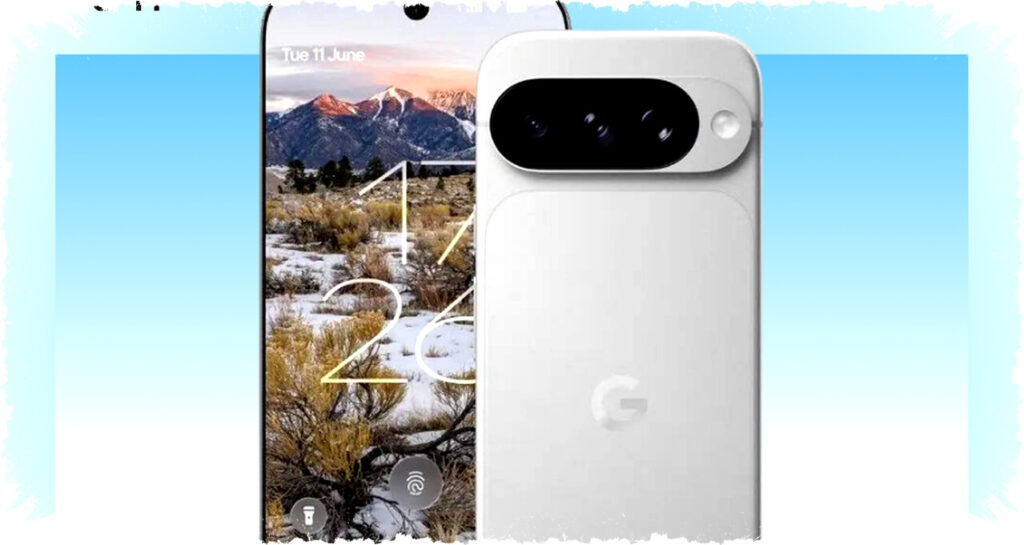
Google is reportedly developing a significant security upgrade for its upcoming Pixel 11 smartphone. The new model is said to feature the latest Titan M3 security chip alongside the Tensor G6 processor.
The Titan M3 chip represents the next step in Google’s security hardware evolution. It succeeds the Titan M2 chip first introduced with the Pixel 6 series in 2021. Despite still being used in the Pixel 10 line, the Titan M2 is now over four years old, making this upgrade a timely move.
Known internally by the codename “Google Epic,” details about the Titan M3 remain scarce. However, the ambitious codename hints at a substantial improvement in data protection capabilities. Industry observers expect the new chip to reinforce Google’s commitment to robust device security.
The previous Titan M2 played a critical role in several essential security functions. These included secure boot processes, encryption key protection, anti-rollback mechanisms to prevent harmful system downgrades, and secure lock screen password verification. Even if the Android system or main chipset was compromised, Titan M2 was designed to maintain security integrity.
If the rumors hold true, the Pixel 11’s combination of the Tensor G6 processor with the Titan M3 chip could position the device as one of the most secure Android smartphones on the market. Enhanced security is increasingly important because cyber threats continue to grow in complexity and frequency.
Such an upgrade aligns with Google’s strategic vision to safeguard users’ personal data more effectively. In a digital environment where privacy concerns are paramount, adding advanced hardware security can offer users greater peace of mind.
Tensor G6, the latest iteration of Google’s in-house chipset, is expected to deliver improved performance and efficiency compared to its predecessors. Integrating Titan M3 alongside it suggests a holistic approach to enhancing both processing power and data protection.
Security experts acknowledge that hardware-based chips like Titan M3 provide a critical foundation for protecting sensitive data. Unlike software-only solutions, these chips isolate security functions in dedicated hardware, reducing the risk of exploitation through malware or system vulnerabilities.
Google’s continuous focus on security has been a differentiating factor for the Pixel series. Each generation has introduced new protections to maintain user trust, especially as mobile devices handle ever more personal and financial information.
The upgrades on Pixel 11 are expected to address emerging security challenges that come with new Android versions and evolving cyberattack techniques. Google aims to prevent unauthorized access to encryption keys and to enhance device authentication processes.
Pending official confirmation from Google, industry watchers anticipate that the Titan M3 chip will bring innovations beyond the capabilities inherited from Titan M2. These could include faster cryptographic operations, improved resistance against hardware attacks, and more robust secure enclaves for sensitive computations.
Furthermore, Google’s investment in security hardware complements broader trends in the smartphone industry. Manufacturers are increasingly integrating specialized security components to meet growing regulations and user expectations.
While precise technical specifications for Titan M3 are not yet disclosed, the internal codename and timing suggest Google is preparing a significant upgrade to coincide with the Pixel 11 launch. This reflects the company’s proactive stance on security in the evolving smartphone landscape.
In addition to securing the device against external threats, the new security chip is expected to help protect users’ data even if the primary Android OS is compromised. This layered security model is essential in maintaining long-term trust in mobile devices.
The Pixel 11’s security enhancements arrive as Android 16 debuts on other devices such as the Motorola Razr 2025. Together, these advances indicate a broader push towards more secure and privacy-centric mobile ecosystems.
As the tech community awaits the official announcement, attention will focus on how Titan M3 elevates the Pixel 11’s security profile. The combination of Tensor G6 and Titan M3 makes the Pixel line a strong contender in security-conscious markets in 2026 and beyond.
Google’s move to upgrade its security chip is timely given the accelerating sophistication of cyberattacks targeting mobile platforms. Users demand stronger protection as mobile phones increasingly serve as digital wallets, identity stores, and communication hubs.
In summary, the Pixel 11 is poised to introduce the Titan M3 security chip alongside the new Tensor G6 processor. This pairing may set new standards for hardware security in flagship Android devices. The improvements are expected to cover core functions such as secure boot, encryption management, anti-rollback, and lock screen verification with enhanced resilience.
Google’s security chip update reflects its ongoing commitment to protecting user data amid rising digital threats. This development makes the Pixel 11 an important device for consumers prioritizing privacy and security in their smartphone choice. The industry continues to watch closely for further details from Google ahead of the official reveal.