


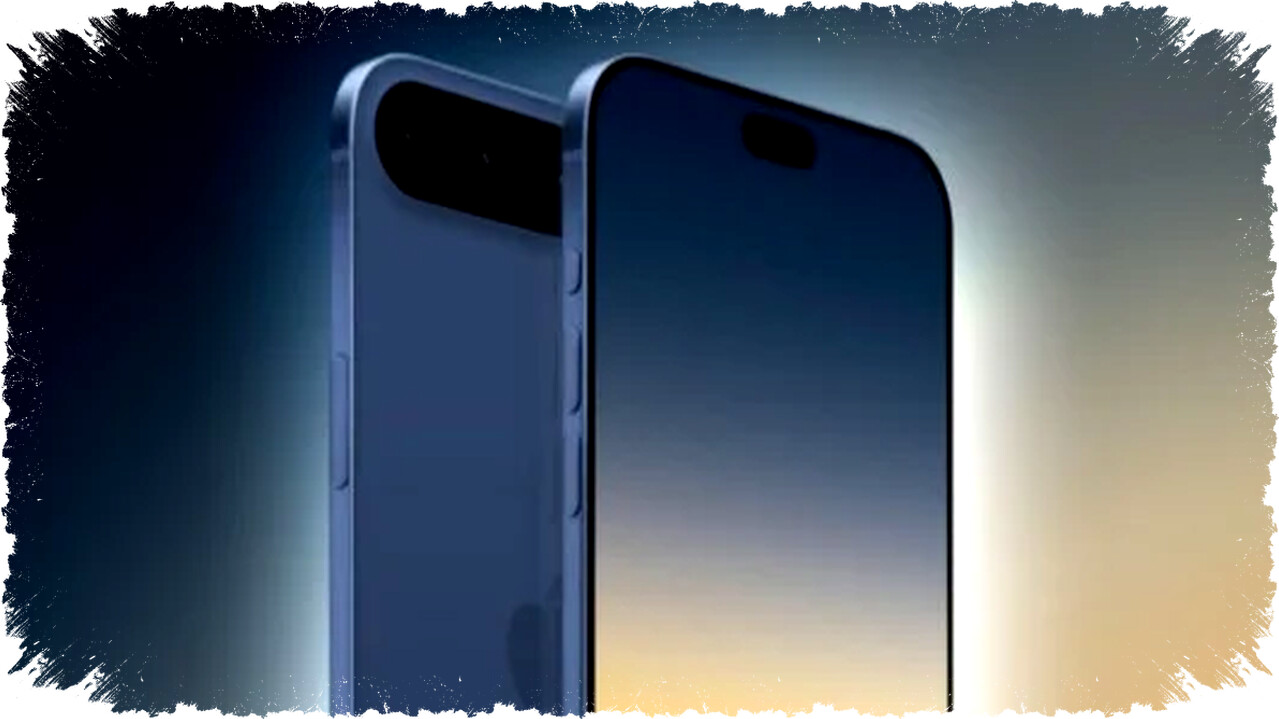
Apple is reportedly preparing to expand its eSIM-only iPhone strategy to Europe with the upcoming iPhone 18 series. After initially launching eSIM-exclusive models in the United States with the iPhone 14, the tech giant is now expected to eliminate the physical SIM card slot entirely in its European models, according to a recent report from Greek media outlet Techmaniacs.
This move signifies more than just a design update. By removing the physical SIM tray, Apple frees up internal space within the device. This extra space can potentially be allocated to accommodate larger components, such as higher-capacity batteries, which may improve overall device performance and longevity.
iPhone 18 Expected to Fully Adopt eSIM in Europe
The iPhone 18 lineup planned for Europe is said to operate exclusively with eSIM technology. Users will no longer need to insert physical SIM cards; instead, mobile carrier plans will be activated digitally. This represents a significant departure from previous iPhone models sold in the region, which retained traditional SIM slots alongside eSIM support.
Eliminating the SIM card slot streamlines the phone’s internal architecture. This can contribute to making the device thinner, more robust against water ingress, and allows Apple to optimize internal component arrangement. Such changes align with Apple’s vision of producing increasingly refined hardware designs.
Battery Improvements Tied to Slot Removal
The global version of the iPhone 18 Pro Max is rumored to feature a battery capacity ranging from 5,100mAh to 5,200mAh. This would mark an approximate 5% increase over the current iPhone 17 Pro Max’s battery, providing longer usage times for demanding users.
Analysts suggest that the removal of the SIM tray plays a critical role in facilitating this enhancement. The saved space within the chassis offers room for a physically larger battery unit without increasing the overall device size, balancing power needs and portability.
Advantages and Challenges of an eSIM-Only Approach
Using eSIM technology allows for instant activation and deactivation of cellular plans without physical card swaps. This digital method improves security, reducing the risk of losing or damaging SIM cards. Moreover, it simplifies the process of switching carriers or plans remotely.
However, transitioning entirely to eSIM can pose difficulties for certain users. People who frequently swap SIM cards, travel internationally, or use devices across multiple carriers might find the change inconvenient. Additionally, some mobile operators may charge extra fees for provisioning or replacing eSIM profiles in specific markets.
A Gradual Rollout Since iPhone 14
Apple first introduced an eSIM-only iPhone in the United States with the iPhone 14 series in 2022. Outside the US, models retained the conventional SIM slots alongside eSIM functionality. In 2023, Apple extended eSIM-exclusive options to countries such as Japan, Canada, and the United Arab Emirates through the iPhone 17 lineup.
If the current reports hold, Europe could become the next major market to embrace Apple’s all-digital SIM strategy fully. This shift reflects broader industry trends favoring embedded SIM technology to enhance user experience and device design.
Release Timeline and Future Outlook
Industry sources predict Apple will unveil the iPhone 18 Pro and iPhone 18 Pro Max in September 2026. This event might coincide with the debut of Apple’s first foldable phone, widely rumored as the iPhone Fold. The standard iPhone 18 model is expected to launch later, potentially alongside a new iPhone Air variant.
Although Apple has not officially confirmed plans for an entirely eSIM-based iPhone 18 in Europe, the consistent rollout pattern since the iPhone 14 suggests the company is moving in that direction. This strategic evolution could set a precedent for other smartphone manufacturers to follow.
Summary of Key Details:
- Apple’s iPhone 18 in Europe will likely be eSIM-only.
- Physical SIM card slots will be eliminated to save internal space.
- iPhone 18 Pro Max battery capacity may increase to over 5,100mAh.
- eSIM offers convenience but may challenge users who often switch SIM cards.
- The transition began with the U.S. market in 2022 and expanded gradually.
- Official launch is expected in September 2026 alongside other new Apple devices.
This strategic move highlights Apple’s commitment to digital innovation and hardware optimization. As eSIM adoption grows globally, the smartphone landscape could shift towards fully embedded cellular connectivity, making devices sleeker and more secure.