


Mobile workers today face a critical choice in their computing devices. The decision between a tablet with a SIM card and a slim laptop often boils down to mobility, connectivity, and the nature of the work involved. By 2026, both types of devices have evolved significantly, narrowing the gap in performance and usability.
Global shipments of tablets reached 151.9 million units in 2025, marking a 5% increase from the previous year, driven largely by educational and mobile work demands, according to International Data Corporation (IDC). At the same time, the laptop market remains strong due to ongoing remote work trends, digital transformation, and AI-driven computing advancements.
Advantages of Tablet with SIM Card for Mobile Work
-
Flexible Connectivity and Enhanced Mobility
Tablets equipped with SIM card slots provide continuous internet access without relying on WiFi networks. This feature is particularly valuable for professionals like journalists, field workers, and remote sales staff who frequently change locations. -
Extended Battery Life
Thanks to more efficient power consumption, tablets generally offer longer battery endurance than laptops. This makes them ideal for extended virtual meetings, document reading, and email access during busy mobile schedules. - Optimized for Digital Note-taking and Creative Tasks
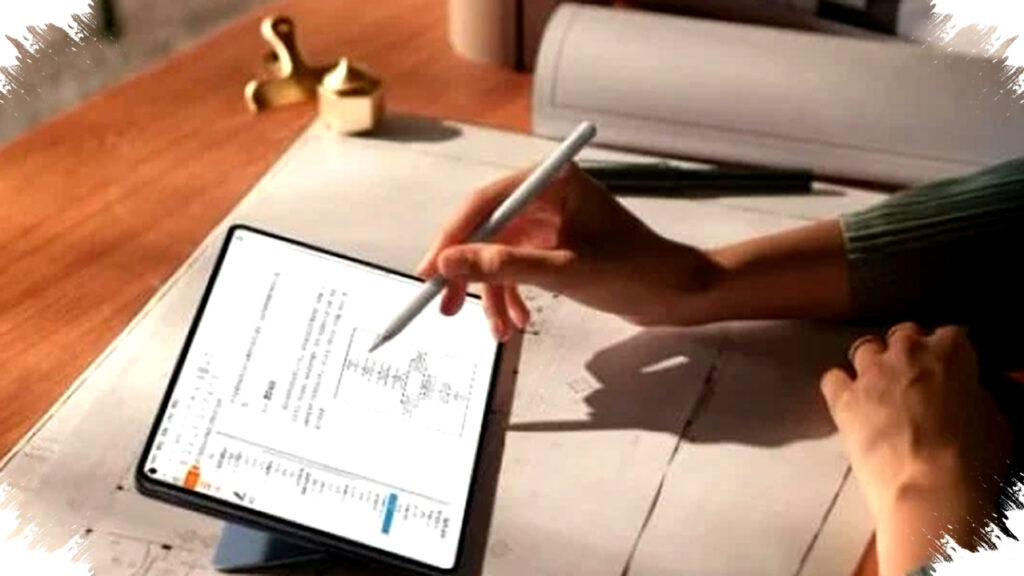
With stylus support, many tablets cater well to students and designers. These devices enable handwriting notes, sketching, and annotating documents with ease. Premium tablets even feature desktop-like multitasking capabilities such as split screens, approximating laptop experiences.
Advantages of Slim Laptops for Professional Productivity
-
Robust Desktop Software Support
Laptops excel at running demanding desktop applications including professional design software, programming IDEs, and data processing tools. They provide greater stability for complex workflows involving large spreadsheets, sizeable presentations, and intensive file management common in business environments. -
Superior Multitasking Capabilities
Slim laptops generally feature larger displays and support multi-monitor setups, allowing simultaneous operation of multiple applications. This setup enhances user efficiency in heavy multitasking scenarios. - Ergonomics of Physical Keyboards
For users engaged in extensive writing tasks such as journalists or data analysts, the tactile feedback and comfort of a physical keyboard on laptops remain unmatched compared to touchscreen keyboards.
Efficiency Comparison for Mobile Work in 2026
The optimal choice depends heavily on specific job requirements. Tablets with SIM cards are more efficient for tasks focused on document consumption, online meetings, digital note-taking, and when high mobility without WiFi is crucial. Conversely, slim laptops are better suited for roles demanding professional-grade software, intense multitasking, extensive typing, and complex workflows.
An emerging trend is the adoption of 2-in-1 convertible devices, which blend tablet portability and laptop productivity. These hybrids leverage improved mobile processors, precision stylus input, and 5G connectivity to challenge the traditional boundaries between tablets and laptops.
Despite tablets closing the gap, as of early 2026, slim laptops still represent the safer option for full-scale professional productivity. Their processing power, software compatibility, and ergonomic advantages keep them at the forefront for demanding mobile workers. However, tablets remain strong contenders for users prioritizing lightweight design and continuous internet connectivity in dynamic environments.