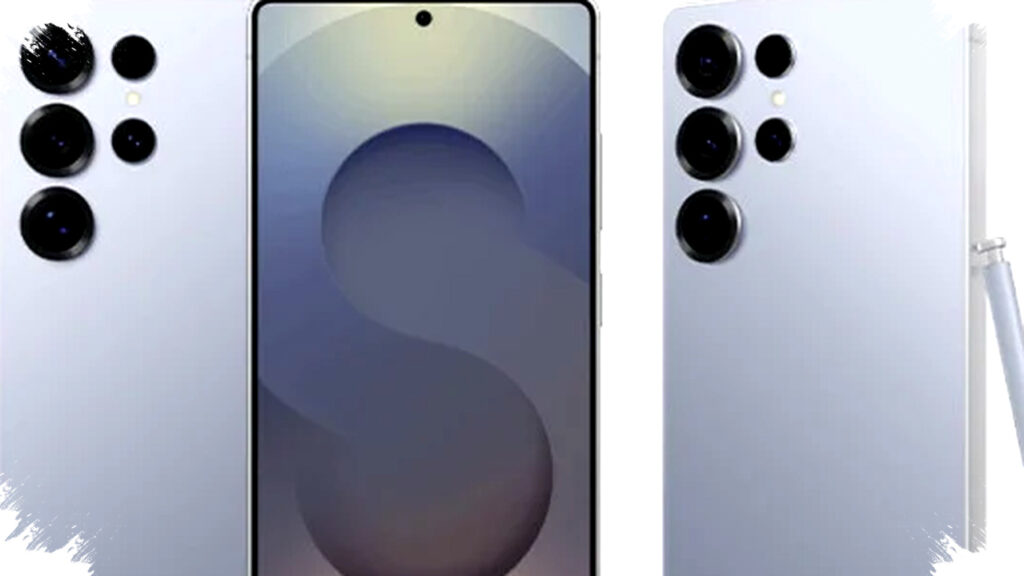
Samsung is developing a groundbreaking AI-driven feature called "vibe coding" aimed at Galaxy users. This innovation will allow people to create or customize apps and user interfaces simply by describing what they want, without needing any coding skills. Imagine requesting a weather app with your favorite color scheme and morning bird sounds for notifications, and your Galaxy device builds it automatically.
The goal is to empower everyday users to personalize their smartphones deeply using natural language commands. Woo-Joon Choi, a senior Samsung representative, revealed in an exclusive interview with TechRadar that the company is exploring ways to embed this capability into the Galaxy ecosystem. Samsung envisions vibe coding as a new way to tailor not just apps but the entire user experience (UX) without writing a single line of code.
Understanding Vibe Coding
Vibe coding leverages generative AI models like large language models (LLMs) to interpret the user’s mood or "vibes" and create functional software components accordingly. Unlike traditional programming that requires knowledge of syntax and logic, vibe coding operates through intuitive descriptions.
For example, Nothing’s recent "Essential Apps" project lets users generate functional home screen widgets—such as habit trackers or hydration reminders—by simply explaining their needs to an AI. These widgets run seamlessly even though no manual coding occurs. Samsung aims to expand this idea from single widgets to comprehensive UI modifications and custom mini-apps within Galaxy devices.
Potential Uses in Galaxy Devices
With vibe coding, users could:
- Rearrange menus based on daily habits.
- Create "work focus" modes that mute social media notifications automatically.
- Redesign camera interfaces to enhance ease of use.
- Build personal mini-applications for note-taking, scheduling, or smart home management.
All tasks are handled by AI parsing commands such as, "Create a shortcut to record audio when I unlock my phone every morning." The Galaxy AI then connects relevant system features to produce a ready-to-use function tailored to the user.
How Will It Work Technically?
Samsung has laid a strong foundation for vibe coding through existing technologies:
- Galaxy AI: Present from the Galaxy S24 series onward, it includes features like Live Translate and Generative Edit.
- On-device AI processing: Prioritizes privacy and speed by performing AI computations on the phone, reducing dependence on cloud services.
- One UI customization: Samsung’s flexible interface design supports deep system tweaks when powered by AI engines.
This integration suggests that vibe coding could become a part of Galaxy AI Studio or similar advanced settings, where users communicate naturally with AI assistants to craft workflows and interface designs.
Challenges to Overcome
Vibe coding faces several hurdles:
- Security concerns: AI-generated apps must not access private data without explicit permission.
- Reliability issues: Automatically produced code could contain bugs or inconsistent logic.
- User experience fragmentation: Radical personalization might complicate maintenance, support, and updates.
Samsung is expected to restrict customization to secure layers, such as API-driven shortcuts and UI changes, steering clear of core system modifications to ensure stability and safety.
Industry Context: Competitive Landscape
Samsung is not alone in advancing AI-assisted software creation. Google actively promotes AI tools like Gemini Code Assist to aid Android developers. Meanwhile, Nothing has demonstrated market acceptance of vibe coding concepts through user-friendly AI-generated widgets.
Samsung’s strength lies in its vertical integration, controlling hardware, operating system, and AI technology. This gives the brand an edge in delivering a vibe coding experience that is more seamless, secure, and integrated across the Galaxy lineup than competing solutions.
Anticipated Release Timeline
Though the exact launch date remains undisclosed, Samsung is accelerating the development of Galaxy AI to differentiate its products in 2025 and 2026. Vibe coding could debut as a feature within One UI 7 or alongside the Galaxy S26 series. Initial releases might appear as limited beta versions or through Samsung’s experimental Galaxy Labs platform.
A Future of Deeply Personalized Smartphones
Samsung envisions vibe coding as a transformative step toward smartphones that do more than react—they actively understand and anticipate user needs. This development could redefine mobile devices as creative partners that flexibly adapt to lifestyle demands.
In the future, users might shift from downloading apps to simply speaking their requirements and having their Galaxy device build custom solutions instantly. This represents a major evolution in smartphone personalization, fueled by AI and innovative interface design.