


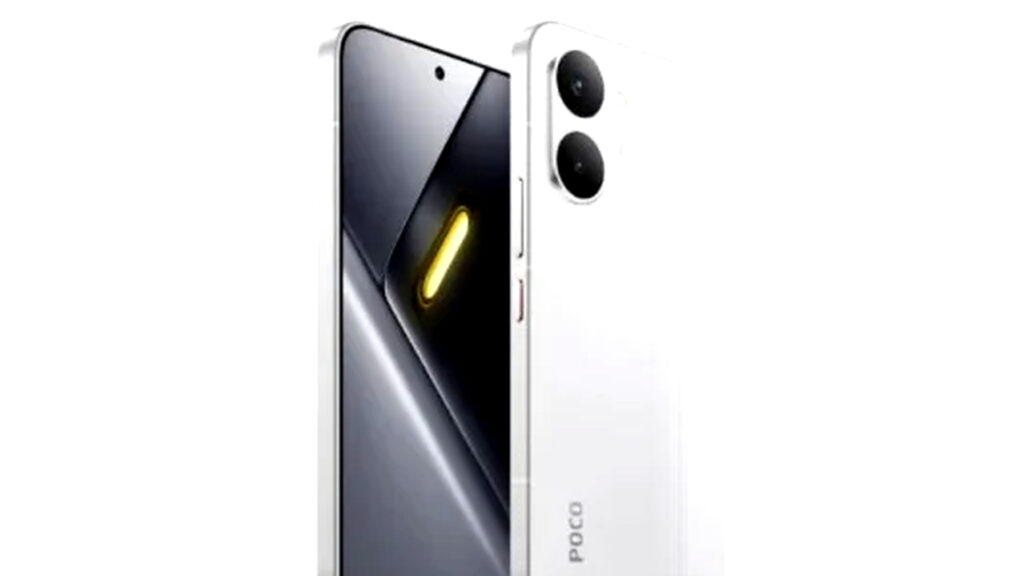
Poco, a sub-brand of Xiaomi, is preparing to launch two high-performance smartphones for the global market. The devices, Poco X8 Pro and Poco X8 Pro Max, are expected to debut worldwide on March 17, 2026, marking a significant entry into the competitive mid-range segment.
Both models appear to be global variants of Xiaomi’s Redmi Turbo 5 and Redmi Turbo 5 Max, rebranded for international consumers. This strategy aligns with Poco’s previous launches, where Chinese-market devices receive subtle modifications before global release.
Poco X8 Pro: Powerful MediaTek Dimensity 8500 Ultra and High-Quality Display
The Poco X8 Pro will feature the MediaTek Dimensity 8500 Ultra chipset, designed to deliver smooth performance for gaming, multitasking, and everyday use. This chipset’s efficiency is expected to provide users with a reliable and responsive experience without compromising battery life.
On the front, the phone sports a 6.59-inch OLED screen with a 1.5K resolution and a 120Hz refresh rate. This combination ensures crisp visuals and fluid scrolling, meeting the growing demand for high-refresh-rate displays in mid-range smartphones.
In terms of photography, the Poco X8 Pro is equipped with a 50MP Sony IMX882 primary sensor and an 8MP ultra-wide lens. The front camera is a 20MP shooter, suitable for selfies and video calls, although photo capabilities are not the main highlight of this device.
Massive Battery and Fast Charging Capabilities
A standout feature of the Poco X8 Pro is its substantial 7,560mAh battery. This capacity is notably larger than typical mid-range smartphones and matches the battery of the Redmi Turbo 5. Despite the high capacity, the phone supports rapid charging at up to 100W, allowing users to quickly recharge and reduce downtime.
Poco X8 Pro Max: Enhanced Specifications for a Premium Experience
The Poco X8 Pro Max ups the ante with a bigger 6.83-inch screen, also featuring a 1.5K resolution and presumably a 120Hz refresh rate, offering an enhanced viewing experience. The larger display caters well to users who consume more media or prioritize screen real estate.
Performance-wise, the Max model packs the MediaTek Dimensity 9500s chipset. This processor upgrade promises considerable performance gains over the Dimensity 8500 Ultra, making it suitable for more demanding gaming and productivity tasks.
For photography, the Poco X8 Pro Max includes a 50MP Light Hunter 600 sensor for its main camera, an 8MP ultra-wide lens, and a 20MP front-facing camera. This setup aims to provide better image quality and versatility.
Battery Options and Charging
Battery capacity is another highlight on the Max variant, with an 8,500mAh pack standard. Some markets may receive an exclusive version with a 9,000mAh battery, which is exceptionally large for smartphones in this class. The Max also supports 100W fast charging, balancing high capacity with quick recharge times.
Upcoming Launch and Market Positioning
Both Poco X8 Pro and X8 Pro Max have passed various certifications, hinting at their imminent release. If the March 17 launch date holds, Poco will introduce smartphones with some of the largest batteries available in the mid-range performance category for 2026.
Here is a summary of the key specifications:
| Feature | Poco X8 Pro | Poco X8 Pro Max |
|---|---|---|
| Display | 6.59-inch OLED, 1.5K, 120Hz | 6.83-inch OLED, 1.5K, likely 120Hz |
| Processor | MediaTek Dimensity 8500 Ultra | MediaTek Dimensity 9500s |
| Main Camera | 50MP Sony IMX882 + 8MP ultra-wide | 50MP Light Hunter 600 + 8MP ultra-wide |
| Selfie Camera | 20MP | 20MP |
| Battery Capacity | 7,560mAh | 8,500mAh (up to 9,000mAh in some markets) |
| Charging | 100W fast charging | 100W fast charging |
Poco’s new models underline the brand’s commitment to delivering high-capacity batteries and competitive specifications at affordable prices. With their emphasis on large batteries, fast charging, and solid chipset performance, the Poco X8 Pro series is positioned to attract users seeking durable and powerful smartphones globally.
As of early March 2026, detailed pricing and availability specifics remain under wraps. However, past Poco releases suggest that the brand will likely price these devices competitively within the mid-range segment. Observers expect Poco to continue leveraging its partnership with Xiaomi to offer appealing options for cost-conscious consumers who demand strong battery life and capable hardware on a global scale.