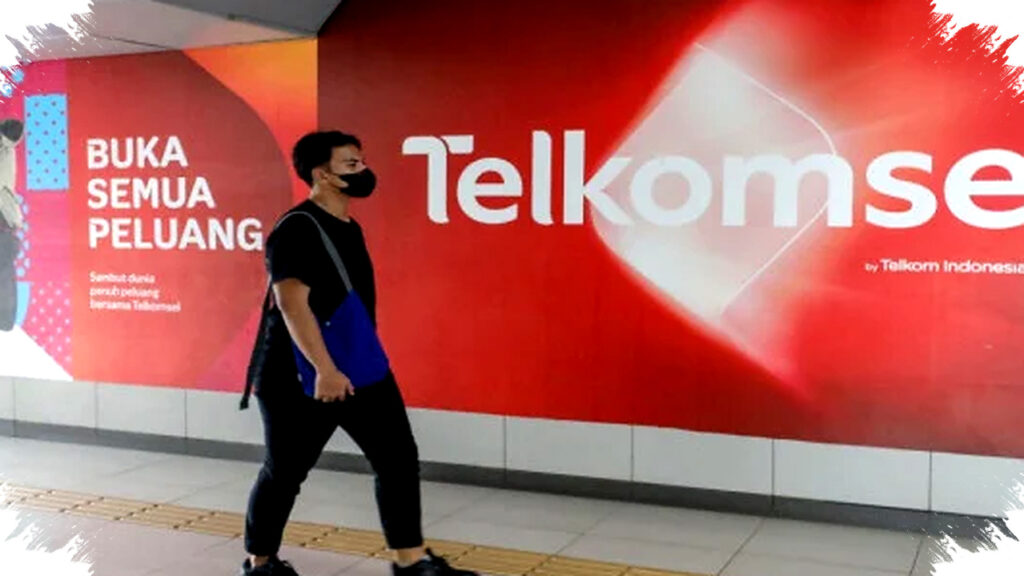
Telkomsel is accelerating its preparation for future telecommunications by focusing on the development of 5.5G technology as a strategic bridge towards 6G. This approach aligns with the global roadmap, with the industry anticipating the final standardization of 6G by ITU and 3GPP around 2029-2030. The company aims to ensure high-quality connectivity in Indonesia by strengthening current digital infrastructure while actively exploring next-generation technologies.
The telecommunications giant views 5.5G, also known as 5G Advanced, as a crucial transitional phase. By optimizing this technology, Telkomsel addresses both speed and network stability challenges. This step is vital to mitigate the substantial infrastructure demands expected during the shift to full 6G implementation in the near future.
Strategic Role of 5.5G as a Technological Bridge
Telkomsel’s emphasis on 5.5G is not merely an incremental upgrade but a foundational move to enable a seamless transition towards 6G. The 5.5G technology enhances current 5G capabilities, providing better performance in high-density areas and adding advanced network management features. This ensures users get consistent connectivity while the industry prepares for the transformational impact 6G will bring.
The VP of Technology Strategy and Consumer Product Development at Telkomsel, Ronald Limoa, highlighted that developing 5.5G lays the groundwork for a scalable and resilient network environment. By prioritizing increased capacity and stability now, Telkomsel ensures that when 6G standards solidify internationally, the necessary infrastructure and technology know-how are already in place.
Six Core Technology Pillars Powering Telkomsel’s Future Network
Telkomsel has outlined six fundamental technologies as the backbone of its future network strategy:
Massive MIMO (Multiple Input Multiple Output): This technology uses intelligent antennas to serve more users simultaneously in densely populated areas. It enhances signal quality and reduces network congestion.
Network Slicing: Enables virtual division of the physical network into dedicated slices for different services. This guarantees critical services like healthcare emergency communications operate without interference.
AI-driven Network Management: Artificial intelligence supports automatic network recovery during disruptions and boosts energy efficiency, reducing operational costs and downtime.
Cloud-Native Core Architecture: Embracing cloud technology allows flexible and scalable deployment of services, responding quickly to market demands.
Private 5G and Edge Computing: Tailored solutions cater to industrial applications needing ultra-low latency. Examples include precision manufacturing and automated logistics systems.
- Non-Terrestrial Network (NTN) Integration: Incorporating satellite connectivity aims to extend high-quality internet access to remote or underserved regions across Indonesia.
Preparing a Robust Ecosystem for 6G Era
Telkomsel recognizes that future telecommunications will heavily rely on seamless integration between AI and advanced networking. Low latency and edge data processing are critical components for industries adopting 6G technologies. By investing early in these areas, Telkomsel is positioning Indonesia’s digital ecosystem to leverage 6G innovations once global standards are fully established.
This long-term strategic approach ensures Telkomsel maintains its leadership position in Indonesia’s telecom sector. The current push to enhance 5.5G is not just about improving user experience today but also about safeguarding the resilience and scalability required for tomorrow’s network demands.
Efforts to foster this readiness involve continuous network optimization and adoption of cutting-edge technologies. By focusing on infrastructure that supports high capacity, low latency, and widespread coverage, Telkomsel is creating a future-proof foundation that benefits both consumers and industries.
As Telkomsel advances toward 6G readiness, it exemplifies a forward-looking model in telecommunications development. The blend of advanced wireless technologies, AI integration, and satellite connectivity underlines the company’s commitment to providing comprehensive digital access for all Indonesians.
This comprehensive strategy reveals that the road to 6G is not a distant dream but a tangible journey fueled by 5.5G advancements. When global consensus on 6G standards crystallizes by 2029-2030, Telkomsel will be well-equipped with the infrastructure and expertise to roll out next-generation telecommunications services efficiently and effectively.