OPPO A6x and Samsung Galaxy A07 stand out as affordable smartphones around $100 that offer durability against water splashes and dust. Both devices target users who need budget-friendly options with reliable everyday performance. Despite similarities in price range, each phone delivers distinct features catering to different user preferences.
Price and Variants
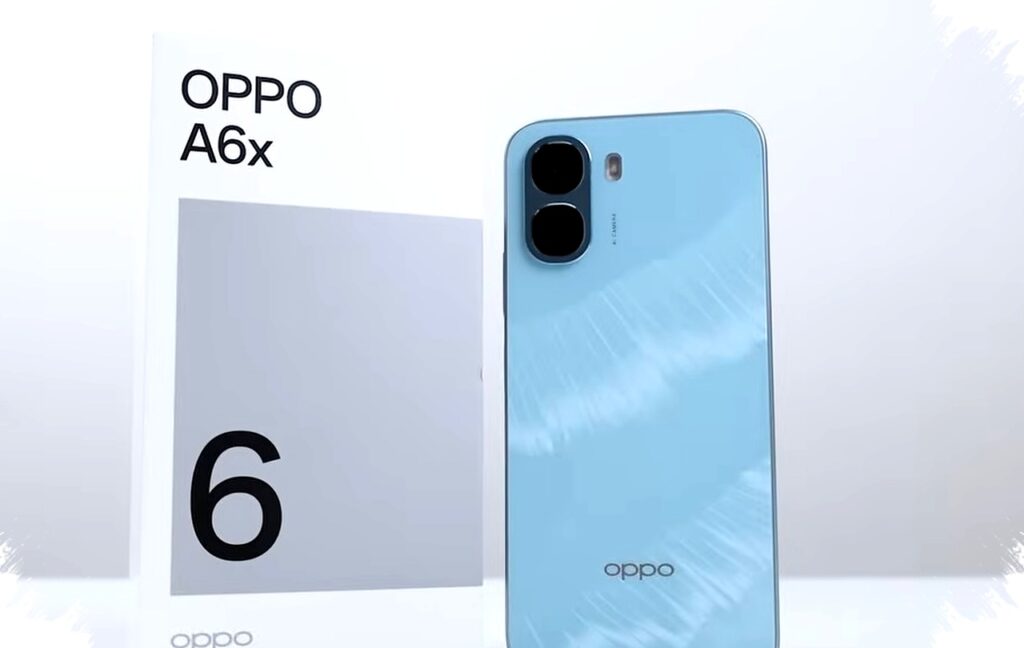
The OPPO A6x is priced at approximately $106 with 4GB of RAM and 64GB internal storage. Samsung offers the Galaxy A07 in several configurations: 4GB/64GB (~$93), 4GB/128GB (~$110), 6GB/128GB (~$130), and 8GB/256GB (~$153). This variety gives Samsung an edge for buyers seeking more memory or storage within a budget.
Design and Display
OPPO A6x features a modern punch-hole front camera design, making its display look sleeker than the Galaxy A07’s waterdrop notch. Both phones sport large screens suitable for media consumption: OPPO has a 6.75-inch HD+ display with 120Hz refresh rate, while Samsung offers a slightly smaller 6.7-inch HD+ panel at 90Hz. The higher refresh rate on the OPPO A6x provides smoother scrolling and gaming experiences.
Performance and Chipset
Powered by Qualcomm Snapdragon 68 (6nm), the OPPO A6x combines octa-core CPUs clocked at 2.8 GHz and 1.9 GHz. Meanwhile, the Galaxy A07 runs on MediaTek Helio G99 (6nm) featuring dual 2.2 GHz Cortex-A76 and hexacore 2.0 GHz Cortex-A55 CPUs. Both processors balance efficiency and performance, but OPPO edges ahead in peak clock speed, potentially delivering snappier daily use.
Battery Life
The OPPO A6x houses a large 6,500mAh battery, promising extended usage with claims of 9.6 hours for online gaming, 13.3 hours for video streaming, and over 38 hours of call time with screen off. Samsung Galaxy A07 comes with a 5,000mAh unit but supports 25W fast charging, allowing quicker power top-ups despite a smaller capacity. This makes OPPO preferable for longer untethered use, while Samsung suits those who value rapid recharging.
Camera Capabilities
Camera setup reveals a clear distinction. Samsung Galaxy A07 leads with a 50MP main sensor and additional auxiliary lens, plus an 8MP front camera, enabling better photography and selfies. OPPO A6x offers a 13MP rear camera and 5MP front shooter, adequate for basic photo needs but less versatile for creative shots.
Durability and Protection
Both smartphones emphasize resilience. OPPO A6x carries an IP64 rating, certifying protection against dust ingress and water splashes, while Galaxy A07 boasts IP54, meaning it is also dust-protected and splash-resistant but with slightly less water tightness. These certifications make both models suitable for daily environments vulnerable to dirt and moisture.
Additional Features
Each handset includes a side-mounted fingerprint scanner, dual SIM slots supporting 4G LTE, 3.5mm audio jack, USB Type-C port, and Bluetooth connectivity. OPPO A6x runs ColorOS 15 based on Android 15, whereas Galaxy A07 uses Samsung’s One UI 7, also based on Android 15. Samsung promises extended software support with six OS upgrades and six years of security patches, a compelling factor for longevity.
Summary Table
| Feature | OPPO A6x | Samsung Galaxy A07 |
|---|---|---|
| Price | ~$106 | $93 – $153 (varies by variant) |
| Display | 6.75”, HD+, 120Hz | 6.7”, HD+, 90Hz |
| Chipset | Qualcomm Snapdragon 68 (6nm) | MediaTek Helio G99 (6nm) |
| RAM/Storage | 4GB / 64GB | 4GB/64GB to 8GB/256GB |
| Battery | 6,500mAh (no fast charging) | 5,000mAh with 25W fast charging |
| Rear Camera | 13MP | 50MP + auxiliary lens |
| Front Camera | 5MP | 8MP |
| Durability Certification | IP64 | IP54 |
| OS | ColorOS 15 (Android 15) | One UI 7 (Android 15) |
| Software Update Support | Standard updates | 6 OS upgrades + 6 years security |
These two phones cater to budget-minded consumers looking for resilient, functional smartphones. OPPO A6x appeals with a more fluid display and larger battery, while Samsung Galaxy A07 offers stronger camera specs and longer software support.
Choosing between these models depends on priorities such as display smoothness, battery endurance, camera quality, or future-proofing. Both devices demonstrate that affordable phones can provide solid protection against dust and water splashes, suitable for active or outdoor lifestyles without a steep investment.