


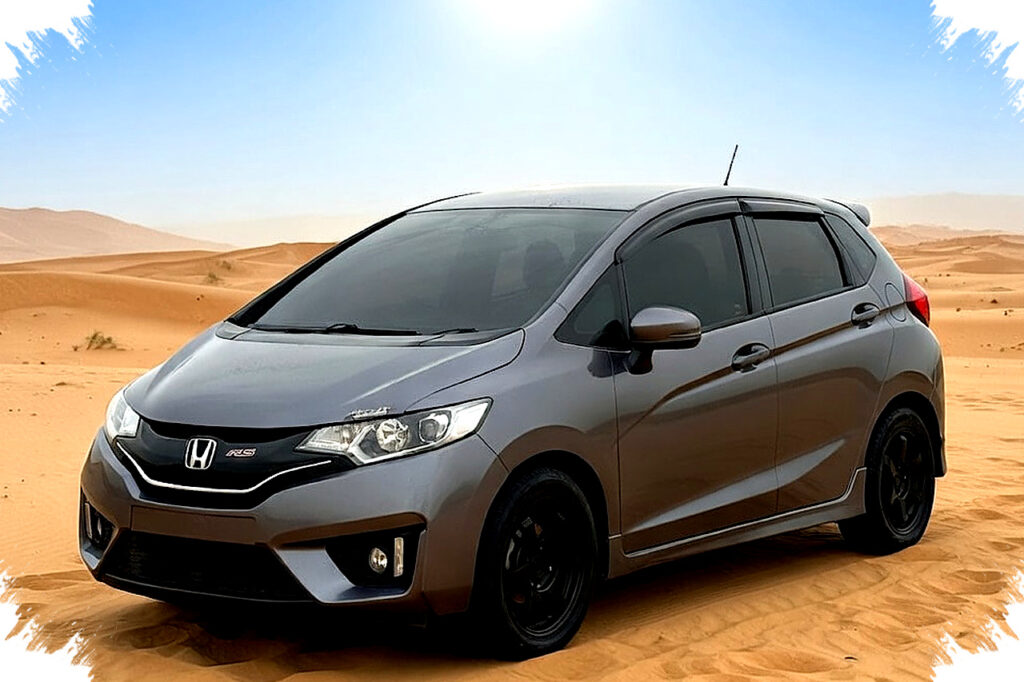
Honda ceased production of the Honda Jazz in Indonesia in 2021 despite the hatchback’s strong fan base. The decision surprised many because the Jazz had been a popular choice, especially for young drivers seeking a sporty and modern ride.
Production of the Jazz in Indonesia lasted through three generations, starting from the early 2000s until 2021. The third generation, known as the GK5 launched in 2014, was well-received for its sporty design and included the RS variant, which emphasized performance styling. However, the anticipated fourth generation failed to align with local consumer preferences.
Market Preferences and Design Shift
The newer Jazz iteration was designed with a more rounded and "cute" aesthetic, which contrasted sharply with the sporty and sleek designs favored by Indonesian and Southeast Asian buyers. This mismatch in styling caused Honda to halt the Jazz’s local production. Instead, Honda introduced the City hatchback variant to fill the market gap.
The City hatchback shared its platform with the sedan version, allowing Honda to streamline production and reduce costs. Importantly, the City offered a sportier, more minimalist, and modern exterior and interior design. This approach aligned more closely with the Indonesian market’s preferences at that time.
Strategic Business Decisions
From a business perspective, Honda’s move was also strategic. Sharing platforms across models cut production expenses and allowed for more efficient use of resources. Given that the anticipated Jazz design no longer matched regional tastes, investing in the City hatchback was a practical choice.
However, changing consumer behavior continued to challenge market dynamics. By early 2026, Honda officially ceased production of the City hatchback in Indonesia. The hatchback segment’s demand shrank as Indonesian buyers increasingly gravitated toward SUVs, such as the Honda HR-V and WR-V.
Impact on the Local Market
The discontinuation of both the Jazz and City hatchback affected hatchback availability in Indonesia. Despite their popularity in previous decades, compact hatchbacks lost ground to crossover SUVs. Many younger consumers favor higher seating positions and the versatility that SUVs offer in urban and suburban driving environments.
This trend aligns with global shifts toward SUVs, but Indonesia’s roads and consumer choices accelerated the decline of hatchbacks faster than in some other regions. Meanwhile, the resale value of used Honda Jazz models has notably decreased, indicating the market’s changing priorities.
Summary of Key Factors for Stopping Honda Jazz Production in Indonesia:
- Design Mismatch: The fourth-generation Jazz featured a rounded, "cute" look that did not appeal to Indonesian and Southeast Asian buyers used to sporty designs.
- Platform Sharing Efficiency: The Honda City hatchback shared a platform with the sedan, decreasing manufacturing costs.
- Market Preference: Consumers favored newer models with simpler, more modern, and sportier exteriors and interiors than those offered by the Jazz’s latest iteration.
- Declining Hatchback Demand: By 2026, overall demand for hatchbacks in Indonesia declined, with SUVs becoming the dominant segment.
Honda’s decision demonstrates how automakers must continuously adapt to evolving market tastes and cost structures. The local appeal of a vehicle’s style and practical production concerns are both critical in shaping product lineups.
Though the Jazz ceased production in Indonesia five years ago, its legacy remains in the country’s automotive history. It was a model that defined sporty small cars for many buyers, particularly young drivers. Yet, as preferences shift and the market moves toward SUVs, the lifecycle of models like the Jazz serves as a case study in balancing innovation, design, and business strategy.
Future Honda releases in Indonesia will likely reflect the ongoing popularity of SUVs and crossovers, tuning their offerings to what the market demands today.