


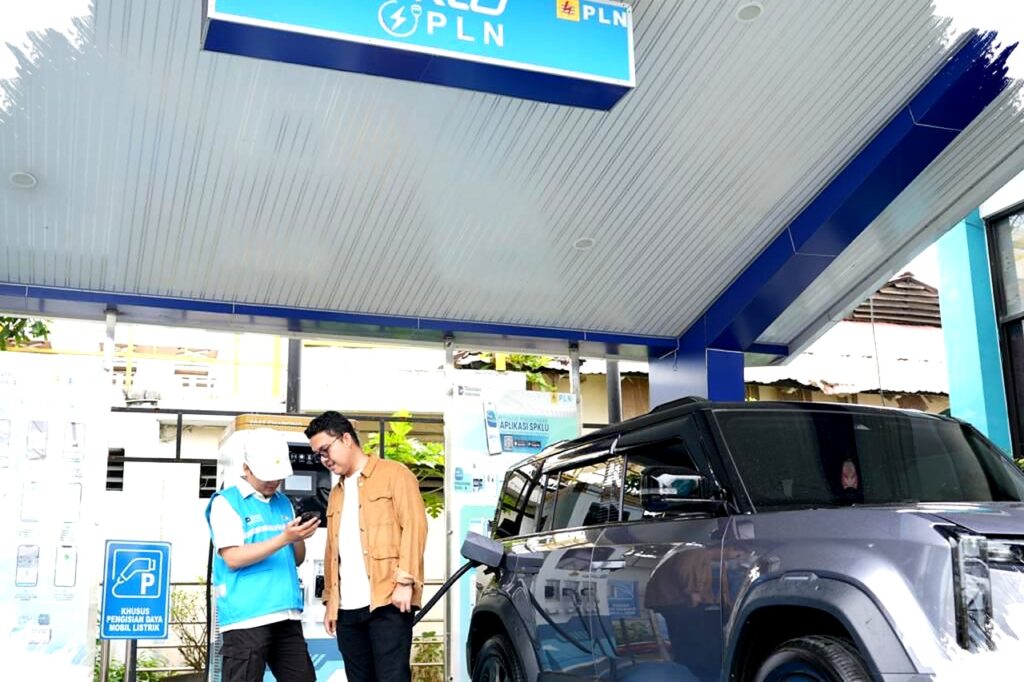
Mudik Lebaran 2026 will see a notable increase in electric vehicles (EVs) on major routes. Travelers using EVs must understand the available charging station types to ensure smooth and hassle-free journeys to their hometowns.
Charging stations differ by power capacity and charging speed, which impact how long a battery takes to recharge. Knowing these differences helps drivers plan stops effectively and choose the best options along their travel path.
1. Standard Charging
Standard Charging operates on alternating current (AC) with a power rating up to 7 kW. It often takes between 6 to 12 hours to fully charge an EV, depending on the battery size.
This method is mostly used for home charging during overnight parking. It suits EVs with smaller batteries and plug-in hybrid vehicles that require less frequent or slower charging.
2. Medium Charging
Medium Charging also uses AC but with a power range from over 7 kW to 22 kW. Charging time is shorter, typically between 2 to 4 hours.
Medium Chargers are commonly found at workplaces, malls, and public parking areas. They usually come in the form of wallbox chargers and are ideal when vehicles park for several hours, such as during office hours or shopping trips.
3. Fast Charging
Fast Charging employs direct current (DC) with power levels between 22 kW and 50 kW. This technology can charge a vehicle’s battery to approximately 80% within 30 to 60 minutes.
Public fast chargers are installed at designated charging stations like Stasiun Pengisian Kendaraan Listrik Umum (SPKLU). This option is suited for travelers on long journeys who need quick battery top-ups to continue their trip efficiently.
4. Ultra Fast Charging
Ultra Fast Charging delivers DC power exceeding 50 kW. This allows EV batteries, particularly those with large capacities, to recharge rapidly in about 10 to 20 minutes.
Ultra Fast Chargers are designed for high-demand scenarios during travel, reducing downtime significantly for users needing minimum charging stops.
Supporting Infrastructure and Digital Services
The expansion of EV infrastructure goes hand in hand with community education on proper usage. PLN, Indonesia’s electricity provider, introduced digital solutions via its PLN Mobile app to support EV owners.
The app features an Electric Vehicle Digital Services (EVDS) menu that acts as a one-stop service hub for all EV-related needs. A notable feature is the Trip Planner, which helps users map their routes and identify convenient charging stations along the way.
Additionally, the AntreEV feature allows drivers to check SPKLU availability and book charging slots in advance. This reduces waiting times, streamlines charging sessions, and improves overall travel efficiency.
These advancements demonstrate PLN’s commitment to building a resilient EV ecosystem in Indonesia. With robust infrastructure and smart digital tools, travelers can enjoy safer and more comfortable journeys during the busy mudik season.
Summary Table of Charging Stations
| Charging Type | Current Type | Power Capacity | Estimated Charging Time | Typical Location |
|---|---|---|---|---|
| Standard Charging | AC | ≤ 7 kW | 6 to 12 hours | Home |
| Medium Charging | AC | > 7 kW – 22 kW | 2 to 4 hours | Offices, malls, public parking |
| Fast Charging | DC | > 22 kW – 50 kW | 30 to 60 minutes | Public fast charging stations (SPKLU) |
| Ultra Fast Charging | DC | > 50 kW | 10 to 20 minutes | High-demand travel locations |
As the Indonesian EV landscape evolves rapidly, understanding these four charging station types is crucial for all EV users planning their Lebaran journeys. Utilizing the right charging infrastructure supported by digital solutions ensures a safer, efficient, and worry-free driving experience throughout the festive season.