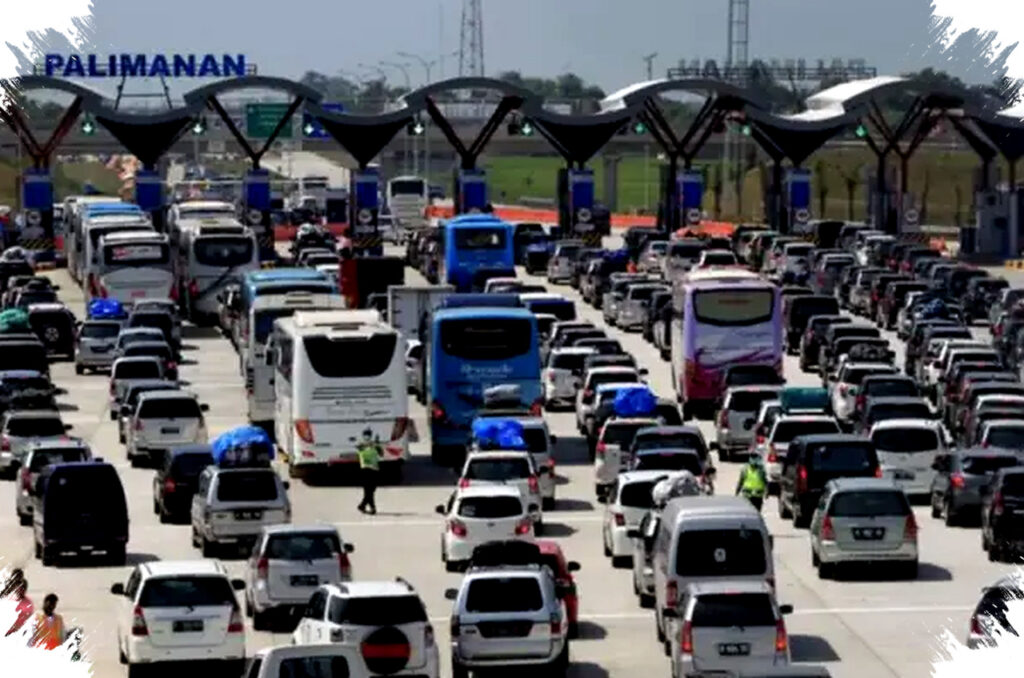
During the Lebaran 2026 homecoming season, traffic congestion remains a major challenge. Millions of vehicles are expected to depart from Jabodetabek to various regions, causing severe jams on toll roads and arterial routes. However, advances in artificial intelligence (AI) technology now offer an effective way to predict traffic bottlenecks hours before they happen.
Unlike traditional traffic monitoring methods that rely heavily on manual reporting and limited sensor data, AI systems analyze vast and diverse data streams. These include road sensors, CCTV footage, and GPS data from navigation apps. By processing this data through specialized algorithms, AI detects vehicle movement patterns and predicts where and when traffic will become congested.
How AI Predicts Traffic Jams
The AI pulls together real-time and historical traffic data to build predictive models. It compares current vehicle volumes with patterns from previous Lebaran seasons, focusing on risky periods like four to three days before the holiday. This allows the system to forecast peak congestion points with high accuracy.
Moreover, some navigation apps now integrate AI-driven recommendations to suggest alternative routes dynamically. These apps analyze traffic flow changes in minutes and redirect drivers to less crowded paths, helping them avoid potential delays.
Benefits of AI-Enabled Traffic Management for Mudik Travelers
For travelers undertaking the traditional mudik journey, AI technology provides several advantages. First, it offers timely and precise traffic information, enabling them to plan departure times strategically. Avoiding peak hours limits travel stress and shortens time spent on the road.
Authorities also benefit from AI insights to implement effective traffic engineering measures. Actions such as contraflow, one-way systems, and vehicle diversions can be scheduled proactively based on AI forecasts. Additionally, AI facilitates faster incident detection—whether accidents or breakdowns—allowing rapid response teams to clear disruptions swiftly.
The Future of Smart Mobility in Mudik
The integration of AI in traffic systems marks progress toward smart mobility solutions. Future developments aim to connect AI-based predictions with toll management, rest area parking systems, and automated traffic signals. This holistic approach will optimize vehicle flow and enhance safety.
Mudik travelers can expect to rely increasingly on data-driven guidance rather than guesswork. With continuous innovation, the experience of Lebaran homecoming journeys could become significantly smoother, reducing congestion-related anxiety and risks.
Here is a summary of key AI applications in mudik traffic management:
- Data aggregation from multi-source sensors and navigation apps
- Real-time traffic flow analysis and congestion prediction
- Dynamic route recommendations via AI-powered navigation
- Support for traffic engineering strategies by authorities
- Rapid incident detection and response coordination
- Prospective integration with toll, parking, and signal systems
As AI technology evolves, its role in facilitating seamless travel during Indonesia’s largest festive migration grows stronger. Real-time, precise traffic forecasting will empower both policymakers and travelers for safer, more efficient mudik Lebaran experiences.
For further reading on AI innovations in 2026, see recommendations on top AI tools and emerging smart devices transforming user experiences globally.