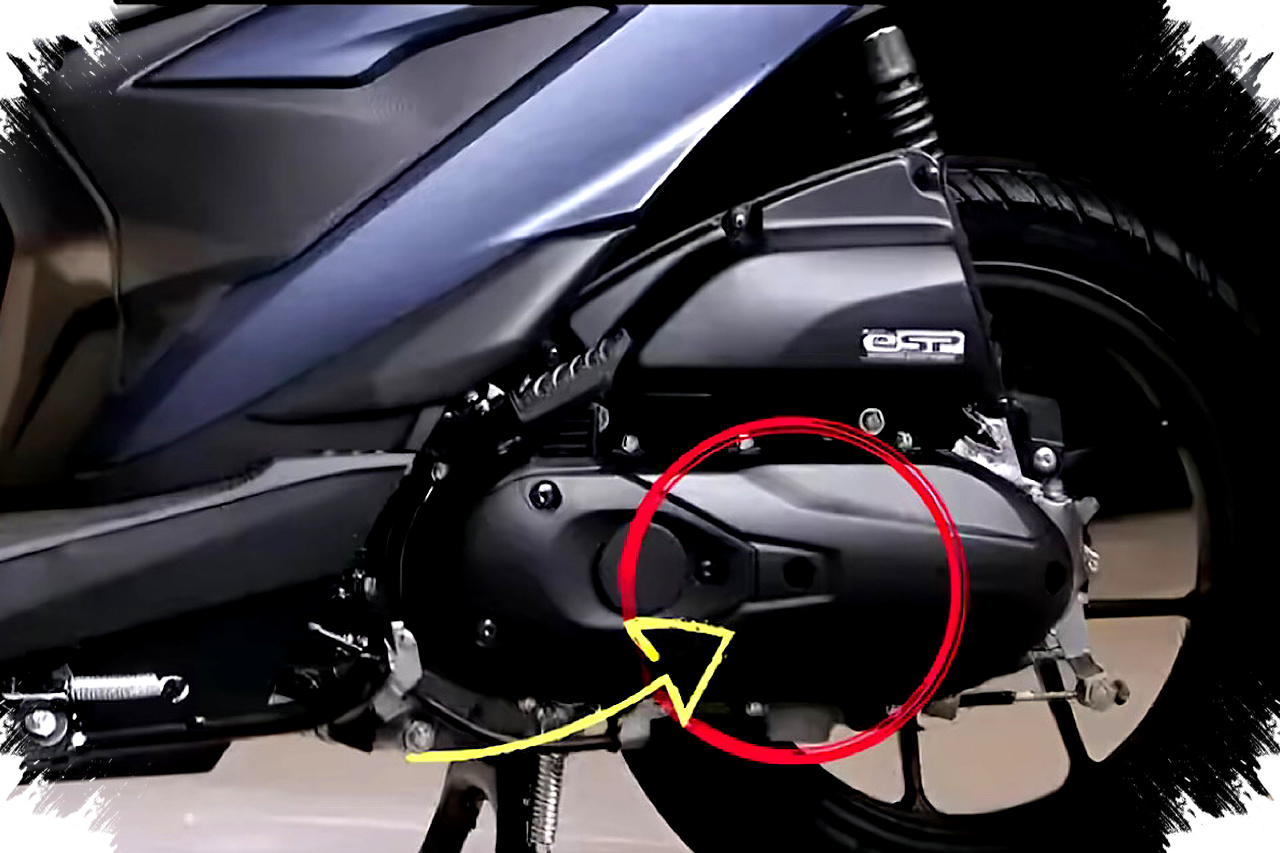
Yamaha FreeGo does not come with a kick starter because it embraces modern technology for better efficiency and convenience. Instead of the traditional manual kick, it uses an ACG electric starter system that simplifies the starting process for users.
This electric starter aligns with the scooter’s fuel injection system, which provides safer and more efficient fuel delivery compared to carbureted engines. Combining fuel injection with electric start enhances overall reliability and reduces maintenance issues that could arise from older technology like kick starters.
One key reason for ditching the kick starter is its susceptibility to damage. Kick starters can stiffen, jam, or even break over time, making them less dependable. By contrast, the electric starter is less prone to mechanical failure, providing a smoother and more reliable user experience.
Yamaha incorporates advanced battery monitoring features in the FreeGo to support the electric starter system. The scooter is equipped with a battery indicator on the speedometer panel that continuously tracks battery health. This feature allows riders to detect any drop in battery voltage well before it impacts starting performance.
If the battery voltage falls below 14 volts, the indicator light will illuminate, alerting the rider to take preventive action. This early warning system encourages timely battery charging or replacement and prevents sudden starting failures on the road.
Such monitoring technology reflects Yamaha’s approach to making its scooters smarter and more user-friendly. Riders get peace of mind knowing that their vehicle actively checks critical functions like battery voltage to ensure optimal readiness.
The absence of a kick starter highlights the shift towards fully electric starting systems in modern scooters. Manufacturers have prioritized electric starter systems for their convenience and enhanced performance without needing manual interventions.
Here are the main reasons Yamaha FreeGo does not include a kick starter:
- Modern Efficiency: Electric starters provide quick and effortless engine ignition.
- Fuel Injection Compatibility: Fuel injection requires consistent electronic starting to optimize engine performance.
- Durability Concerns: Kick starters often suffer wear, jamming, and mechanical faults.
- Battery Monitoring: Built-in indicators alert riders if the battery voltage drops below operational levels.
- User Convenience: A simple button press replaces the more physical effort required for a kick start.
While older or specific older variants of FreeGo might still retain a kick starter, the current and future models focus entirely on electric start systems. This design change is not only about technology but also about enhancing user convenience and reducing maintenance hassles.
Because electronic systems can sometimes face battery wear, Yamaha’s integration of a battery health indicator is crucial. Riders benefit from the advance warning, enabling proactive measures such as charging or battery replacement before a failure occurs.
This system reduces the risk of being stranded due to a dead battery, a common concern in purely electric-start motorcycles without backup manual start options. The indicator’s presence compensates for the lack of kick starter by improving overall reliability.
In summary, Yamaha FreeGo’s design without a kick starter reflects the brand’s commitment to modern, efficient, and smart mobility solutions. The electric starter powered by a well-maintained battery and monitored through an onboard indicator provides a seamless and dependable riding experience.
Consumers looking for a scooter that balances convenience with advanced features will find these innovations aligned with contemporary expectations. The move away from kick starters signals a broader industry trend toward integrating electronic systems that improve both safety and performance.
For riders, understanding the battery voltage indicator’s importance is essential to maintaining the scooter’s starting reliability. Keeping the battery charged and in good condition ensures the electric starter performs flawlessly without requiring any mechanical backup.
Ultimately, Yamaha FreeGo exemplifies how evolving technology can eliminate older components like the kick starter while adding intelligent features that alert riders to potential issues early. This thoughtful approach enhances the scooter’s usability and promotes a hassle-free ownership experience.
-

-
-
-