


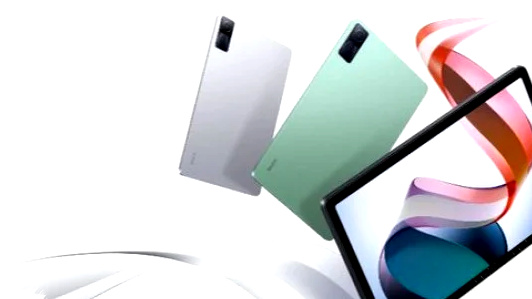
Xiaomi continues to strengthen its position in the budget tablet segment with the Redmi Pad SE, a device aimed at users who want a low-cost slate that still feels practical and modern. It sits below Xiaomi’s Pad line and targets everyday use such as online classes, streaming, basic productivity, and casual browsing.
For many buyers, the appeal of an entry-level tablet is not raw power, but the balance between display quality, battery life, and usability. The Redmi Pad SE tries to deliver that balance with a 90Hz screen, a large 8,000 mAh battery, and a design that looks more premium than its price category usually suggests.
Positioned as an affordable all-rounder
The Redmi Pad SE is not built to compete with high-end tablets. Instead, Xiaomi designed it as a practical option for students, remote workers, and families that need a secondary screen for light tasks.
That positioning matters because the budget tablet market has become crowded, and many models still cut corners in display smoothness or audio quality. Xiaomi addresses both areas here, while keeping the hardware accessible and easy to understand for mainstream buyers.
Metal body and a cleaner look
One of the first things that stands out is the metal unibody design. This gives the Redmi Pad SE a more solid feel in the hand, and it also helps the tablet look more refined than many plastic-bodied rivals.
The bezels are symmetrical, which adds to the clean appearance. Xiaomi also keeps a 3.5mm headphone jack on the device, a detail that remains useful for users who prefer wired headphones for private listening, online meetings, or long study sessions.
11-inch display with 90Hz refresh rate
The display is one of the strongest selling points. Redmi Pad SE uses an 11-inch IPS panel with Full HD+ resolution and a 90Hz refresh rate.
That 90Hz figure is especially important in this class because many entry-level tablets still rely on 60Hz panels. The higher refresh rate makes scrolling feel smoother, improves the responsiveness of the interface, and creates a more fluid experience when watching videos or moving between apps.
For readers comparing options, here is a simple snapshot of the main display and audio features:
| Feature | Redmi Pad SE |
|---|---|
| Display size | 11 inches |
| Panel type | IPS |
| Resolution | Full HD+ |
| Refresh rate | 90Hz |
| Speakers | Quad stereo speakers |
| Sound support | Dolby Atmos |
The screen is large enough for reading documents, taking online classes, and watching films without feeling cramped. It also makes split-screen use more comfortable, even though the hardware is still aimed at light multitasking rather than heavy work.
Quad speakers and Dolby Atmos support
Audio is another area where Xiaomi tries to give the tablet an advantage. The Redmi Pad SE uses four stereo speakers with Dolby Atmos support, which is not always common in devices at this price.
That setup creates a fuller sound profile for movies, music, and YouTube content. It also reduces the need for external speakers in normal home use, which is helpful for students or families who want a shared entertainment device.
For video calls and online learning, the audio output should be loud enough to remain clear in most indoor settings. The landscape front camera placement also supports a more natural viewing angle during meetings.
Snapdragon 680 handles daily tasks
Under the hood, Xiaomi uses the Snapdragon 680 chipset built on a 6nm process. This chip is not designed for gaming-heavy workloads, but it is a proven option for stable everyday performance.
In the reference configuration, the tablet comes with 4 GB of RAM and 128 GB of storage. That combination is suitable for web browsing, note-taking, messaging, streaming, and basic productivity apps.
Users should expect practical performance rather than flagship-level speed. For the target audience, that is usually enough, especially when the focus is on schoolwork, entertainment, and light office tasks.
Battery life is the main strength
Battery capacity is one of the clearest advantages of the Redmi Pad SE. Xiaomi equips the tablet with an 8,000 mAh battery, which is a large figure for a device in this class.
For daily use, this means the tablet can last through long study sessions, video streaming, and casual browsing without frequent charging. That makes it appealing for students and users who move around often and do not want to carry a charger all day.
The trade-off is charging speed. Xiaomi limits charging to 10W, which means replenishing the battery will take longer than on faster-charging devices. Users who prioritize endurance over quick top-ups may still find that compromise acceptable.
Storage expansion and WiFi-only design
The Redmi Pad SE is a WiFi-only tablet, so it does not support a SIM card. That limits its use if you want constant mobile data on the go, but it also keeps the product focused on home, school, and office environments where WiFi is commonly available.
There is, however, a microSD slot that supports expansion up to 1TB. That is a meaningful advantage for users who store many videos, lecture files, PDFs, or downloaded media, because it reduces pressure on the internal storage.
Here are the main practical points buyers should note:
- WiFi-only connectivity means no SIM card support.
- microSD expansion allows storage growth up to 1TB.
- The front camera is placed in landscape orientation for video calls.
- The 3.5mm audio jack remains available for wired headphones.
Who the Redmi Pad SE is best for
This tablet makes the most sense for users who want a dependable and affordable screen for everyday life. It fits students who need a device for online classes, note review, and video lectures.
It also works well for families that want a shared tablet for entertainment, or for office users who need a secondary screen for email, documents, and conferencing. The combination of a smooth 90Hz display, decent speakers, and a large battery gives it a well-rounded profile for those tasks.
At the same time, buyers should be realistic about its limitations. The Snapdragon 680 is efficient, but it is still an entry-level chip. The 10W charger is also slow by current standards, so the tablet rewards patience more than speed.
A budget tablet that focuses on the right basics
The Redmi Pad SE shows how Xiaomi approaches the entry-level tablet market with a practical formula. It combines a metal body, an 11-inch Full HD+ display with 90Hz refresh rate, quad speakers with Dolby Atmos, and an 8,000 mAh battery in a package designed for mainstream users.
That mix makes it one of the more interesting options in the affordable tablet space, especially for buyers who value screen smoothness and battery life before anything else. With its focus on simple and reliable everyday use, the Redmi Pad SE stands out as a tablet built for people who want useful features without paying for hardware they may not need.