


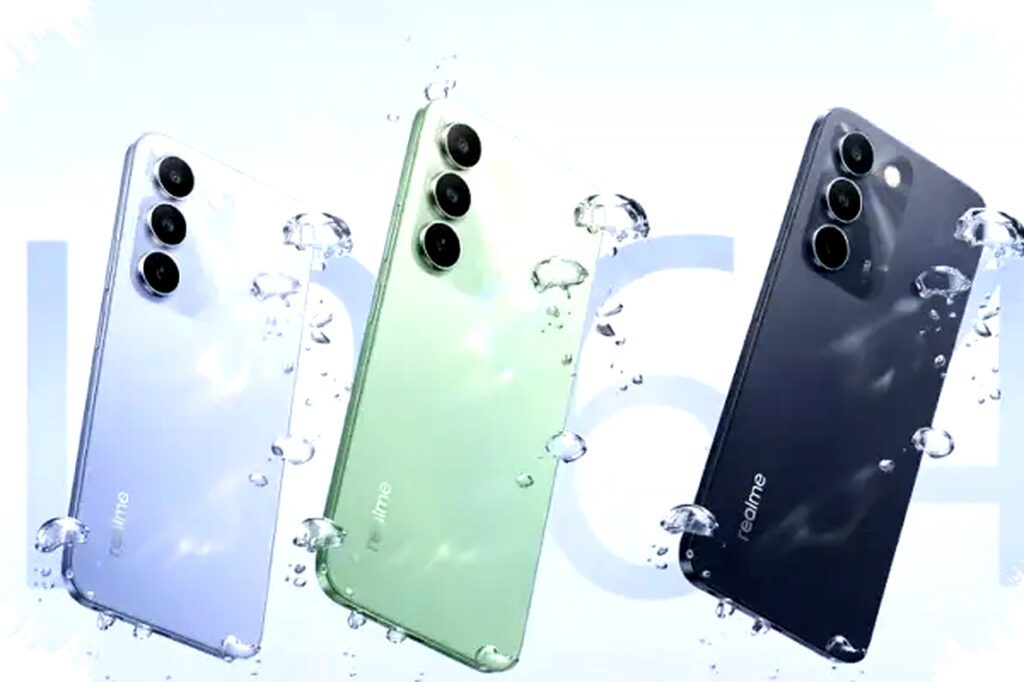
The affordable 5G smartphone market in Indonesia is heating up with two popular contenders: the Realme C83 5G and the Redmi 14C 5G. Both target budget-conscious users eager to experience 5G connectivity without high costs. Despite similar price segments, these devices emphasize different strengths, making the comparison especially relevant for buyers in 2026.
Realme C83 5G boasts a large 7,000 mAh battery, significantly bigger than the 5,160 mAh capacity of the Redmi 14C 5G. This capacity difference translates into longer usage time for Realme, appealing to users who need endurance for travel or outdoor work. The Realme supports 18W charging, while Redmi 14C 5G offers slightly slower 15W charging, but the battery size gap remains a decisive edge for Realme.
In terms of display, the Realme C83 5G features a 6.8-inch IPS LCD panel with an adaptive 144Hz refresh rate and peak brightness of 900 nits. By contrast, Redmi 14C 5G comes with a similar-sized 6.88-inch IPS LCD, but with a 120Hz refresh rate and only about 450 nits peak brightness. Realme’s higher refresh rate and doubled brightness result in smoother scrolling and better visibility outdoors.
Performance-wise, both phones are close. Realme C83 5G is powered by the MediaTek Dimensity 6300 chipset fabricated on a 6nm process. Redmi 14C 5G uses the Snapdragon 4s Gen 2, built on an even smaller 4nm process. Everyday tasks like social media, video streaming, and casual gaming show no major performance difference between the two, making them evenly matched in daily usage.
Camera capabilities reveal the sharpest contrast. Redmi 14C 5G is equipped with a 50MP main camera integrating AI Scene Detection, along with a 13MP front camera for selfies. The Realme, however, offers a modest 13MP rear camera and a 5MP front camera. This makes Redmi a better option for users prioritizing photography, especially for social media sharing.
The Realme C83 5G compensates for its weaker camera with higher durability. It carries an IP64 rating for dust and splash resistance and meets MIL-STD-810H military standards for robustness. This build quality helps it withstand harsher environments, ideal for users with active lifestyles or those working in demanding conditions.
Price is another important factor. Redmi 14C 5G starts at roughly Rp1.8 million (about $120 USD), making it friendlier on the wallet. Realme C83 5G, while not officially released in Indonesia yet, is expected to fall into the Rp2.4 to Rp3.2 million range (approximately $160 to $210 USD) based on its Indian launch price. The price difference is significant in the entry-level segment and reflects the disparity in features offered.
To help summarize, here are key comparison points between Realme C83 5G and Redmi 14C 5G:
- Battery: Realme 7,000 mAh vs Redmi 5,160 mAh
- Charging Speed: Realme 18W vs Redmi 15W
- Display: Realme 6.8” 144Hz, 900 nits vs Redmi 6.88” 120Hz, 450 nits
- Processor: Realme MediaTek Dimensity 6300 6nm vs Redmi Snapdragon 4s Gen 2 4nm
- Rear Camera: Realme 13MP vs Redmi 50MP with AI Scene Detection
- Front Camera: Realme 5MP vs Redmi 13MP
- Durability: Realme IP64 & MIL-STD-810H vs Redmi standard build
- Price Range: Realme ~$160-210 vs Redmi ~$120
For users valuing battery life, a vibrant and smooth display, and rugged durability, the Realme C83 5G presents a compelling choice despite its higher price. Meanwhile, those who want the best camera experience on a budget without sacrificing acceptable performance may prefer the Redmi 14C 5G.
Moreover, the Realme C83 5G offers more extended software support that can be crucial for keeping the device updated and secure over time. Redmi, while competitive in features, may not match this longevity in software updates at this price point.
In conclusion, the choice depends largely on personal priorities. Realme targets users needing endurance and screen performance excelled by its massive battery and bright, smooth display. Redmi focuses on delivering better photography with a more budget-friendly price. Both deliver reliable 5G experiences, weighing heavily on whether battery power, camera quality, or cost is the deciding factor for 2026 smartphone buyers in Indonesia and similar markets.