


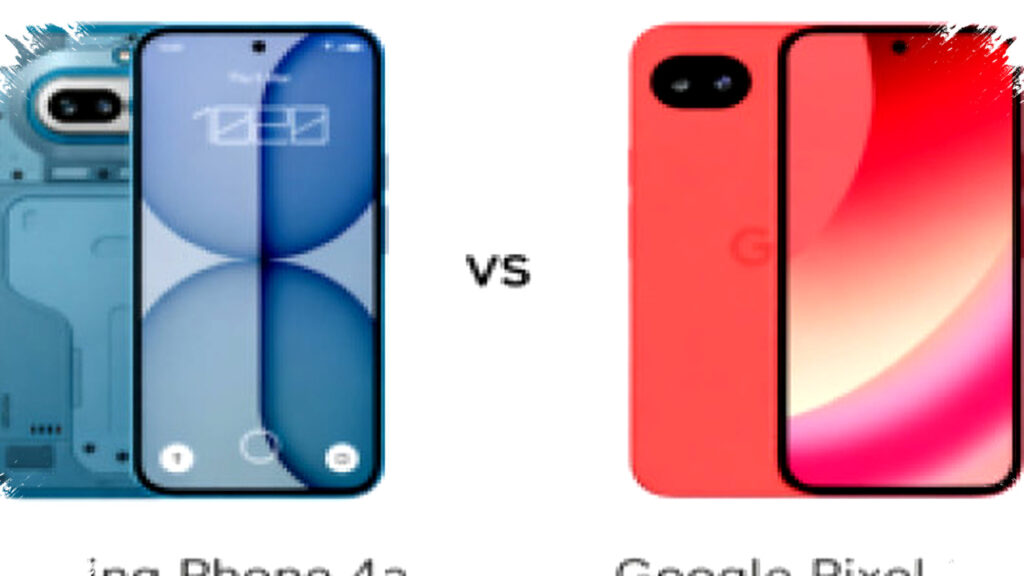
In the competitive mid-range smartphone market of 2026, the showdown between the Nothing Phone 4a and Google Pixel 10a has captured significant attention. Both phones appeal to different user priorities, offering distinct approaches from hardware design to software innovation. Understanding their key features helps consumers decide which device suits their needs best.
The Nothing Phone 4a stands out with its bold, transparent design and the iconic Glyph LED light system. This unique aesthetic gives it a futuristic edge that battery-conscious users find attractive. Meanwhile, the Pixel 10a emphasizes durability with a minimalist aluminium frame and an industry-standard IP68 rating, ensuring greater resistance against water immersion.
Display and Visual Experience
The Nothing Phone 4a features a large 6.78-inch AMOLED display boasting an impressive peak brightness of 4500 nits. This makes it ideal for media consumption in bright environments. In contrast, the Pixel 10a opts for a more compact 6.3-inch P-OLED screen, which benefits from Google’s renowned color calibration, perfect for photography enthusiasts seeking consistent image accuracy.
Performance: Snapdragon vs Tensor AI
Under the hood, the Nothing Phone 4a is powered by the Snapdragon 7s Gen 4 chipset, delivering efficient multitasking with options for up to 12GB of RAM. The Pixel 10a uses Google’s Tensor G4 chip specialized in artificial intelligence processing. This enables advanced features like Satellite SOS and superior image computation. According to recent data, Google supports up to seven years of software updates for the Pixel 10a, whereas Nothing offers three years, emphasizing a longer software lifecycle for Google’s device.
Battery and Charging Technology
Battery life and charging speed often weigh heavily in user decisions. Nothing Phone 4a includes a substantial 5400 mAh battery with rapid 50W wired charging, allowing fast top-ups to accommodate heavy daily use. While the Pixel 10a has a smaller battery with 30W wired charging, it compensates by incorporating convenient wireless charging capabilities, adding a versatile option for users on the go.
Camera Systems: Flexibility vs Computational Mastery
Camera capabilities differentiate these smartphones significantly. The Nothing Phone 4a impresses with a versatile setup including a 50MP periscope telephoto lens, uncommon in this price bracket, which appeals to users who capture subjects from afar. Conversely, the Pixel 10a utilizes Google’s computational photography technology to consistently produce balanced and clear photos across various lighting conditions. It also supports 4K video recording on the front camera, enhancing selfie and video call quality.
Summary of Key Differences
| Feature | Nothing Phone 4a | Google Pixel 10a |
|---|---|---|
| Design | Transparent body with Glyph LED | Aluminium frame, IP68 rating |
| Display | 6.78" AMOLED, 4500 nits peak | 6.3" P-OLED, accurate color |
| Processor | Snapdragon 7s Gen 4 | Google Tensor G4 with AI focus |
| RAM | Up to 12GB | Standard options |
| Battery Capacity | 5400 mAh | Smaller, unspecified |
| Charging | 50W wired fast charging | 30W wired, wireless charging |
| Camera | 50MP periscope telephoto + flexible setup | Advanced computational photography, 4K front video |
| Software Updates | Up to 3 years | Up to 7 years |
| Approximate Price | $450 | $500 |
Choosing Between Aesthetic Boldness and Longevity
For users who prioritize a unique design and a large display with fast wired charging, the Nothing Phone 4a offers compelling hardware at approximately $450. Its aesthetics and screen size define its appeal in the mid-range segment. On the other hand, buyers focusing on longevity, software innovation, and AI features may lean toward the Pixel 10a. Despite a slightly higher price around $500, the Pixel’s extended update period and sophisticated computational photography provide added long-term value.
This mid-range duel illustrates how hardware innovation and software intelligence can coexist while targeting different user demographics. Consumers should weigh whether they value a visually distinctive device with rapid charging or a longer software-supported experience enhanced by AI. Both smartphones demonstrate robust features for 2026’s demands, ensuring that the decision ultimately reflects individual preferences and priorities.