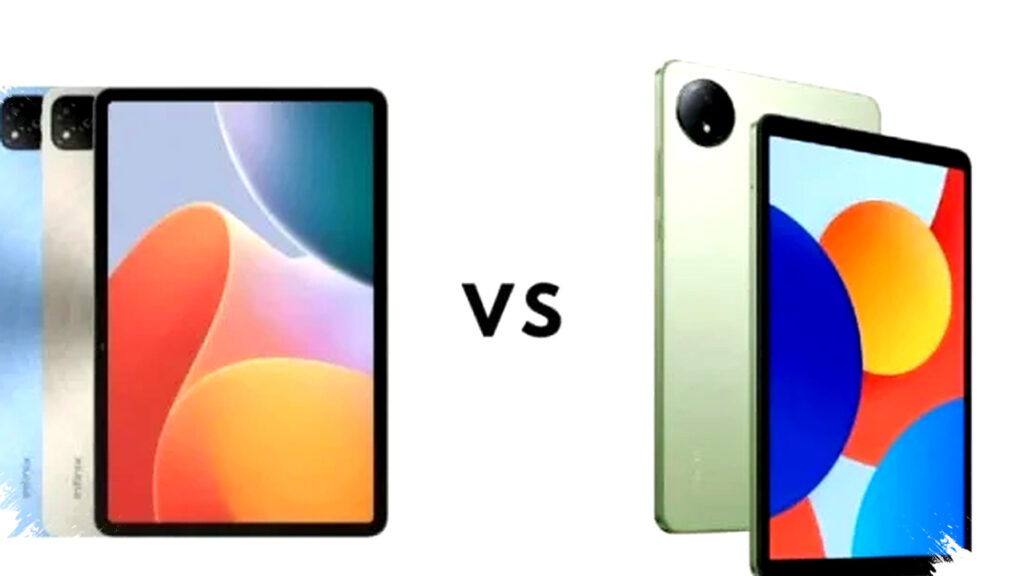
The entry-level tablet market for 2026 is heating up with two compelling contenders: the Infinix Xpad 30E and the Redmi Pad SE. Both models target budget-conscious consumers seeking solid performance and features without stretching the wallet. Each tablet offers unique strengths, allowing users to pick based on their specific needs and preferences.
The Infinix Xpad 30E and Redmi Pad SE both feature an 11-inch display, a size ideal for diverse activities such as video streaming, online classes, and light productivity tasks. Despite sharing the same screen size, their display resolutions differ slightly. The Infinix sports a resolution of 1200 x 1920 pixels, delivering a higher pixel density of 440 ppi. On the other hand, the Redmi Pad SE offers a resolution of 1920 x 1200 pixels with a lower pixel density of 207 ppi, providing a wider horizontal clarity. This makes the Infinix’s display crisper and more detailed for close-up viewing, while the Redmi favors a more stretched-out sharpness.
Performance and Processing Power
Under the hood, the two tablets utilize different processors targeting daily use. The Infinix Xpad 30E runs on the MediaTek Helio G80 chipset, known for decent graphics performance, and suitable for casual gaming. Meanwhile, the Redmi Pad SE uses the Snapdragon 680, which is praised for its power efficiency and stable multitasking capabilities. Both processors effectively handle browsing, video playback, and light app usage, but the Snapdragon 680 may provide slightly smoother experiences in prolonged multitasking scenarios.
Supporting these processors, both models come equipped with 4GB of RAM and 128GB of internal storage. This configuration is ample for typical workloads such as document storage, media consumption, and app installations. However, the Redmi Pad SE offers a crucial advantage: an expandable storage option via microSD card up to 1TB. This feature allows users to increase storage capacity significantly, an important consideration for those managing large files or extensive media libraries.
Camera Specifications and Use Cases
Cameras are not typically the main focus in tablets, but differences here may influence some users. The Infinix Xpad 30E features an 8-megapixel front camera, outperforming the Redmi Pad SE’s 5-megapixel front shooter for video calls and selfies. In contrast, the Redmi Pad SE holds a better rear camera with an 8-megapixel sensor compared to Infinix’s 5 megapixels, suitable for quick snapshots and scanning documents. These variations allow users who prioritize video conferencing to lean towards the Infinix, while those who occasionally take photos might prefer the Redmi.
Battery Life and Endurance
Battery capacity largely determines how long a tablet lasts during daily use. The Redmi Pad SE includes an 8000mAh battery, providing extended usage particularly for media consumption like streaming. The Infinix Xpad 30E is equipped with a 7000mAh battery, which is slightly smaller but still competitive for its class. Actual battery life will also depend on chipset efficiency and software optimization. Given the Snapdragon 680’s reputation for better power efficiency, the Redmi Pad SE might have a slight edge in real-world endurance.
Operating System and Software Experience
Software can make a big difference in usability and device longevity. The Infinix Xpad 30E ships with Android 15, paired with XOS 15, offering the latest features and likely longer update support. In contrast, the Redmi Pad SE operates on Android 13 with MIUI Pad 14, which, while stable and polished, is an older version. Users prioritizing a fresh user interface and future-proof software might find Infinix’s offering more appealing.
Design, Build, and Connectivity
In terms of design and portability, the Redmi Pad SE weighs approximately 478 grams with a compact form factor. It arrives in several attractive colors such as graphite gray, lavender purple, and mint green, appealing to diverse tastes. Meanwhile, Infinix offers color variants like vibrant purple, forest green, and dark blue, though detailed size and weight specifications have not yet been fully disclosed.
When it comes to connectivity, the Redmi Pad SE provides an extensive suite, including Wi-Fi, Bluetooth 5.0, USB Type-C, and a 3.5mm headphone jack along with sensors like an accelerometer and ambient light sensor. Infinix supports Bluetooth as well, but particulars on other connectivity features remain limited. The Redmi Pad SE’s comprehensive connectivity options are better suited for users seeking flexibility in wired and wireless accessories.
Summary of Key Features
| Feature | Infinix Xpad 30E | Redmi Pad SE |
|---|---|---|
| Display Size | 11 inches | 11 inches |
| Resolution | 1200 x 1920 pixels, 440 ppi | 1920 x 1200 pixels, 207 ppi |
| Processor | MediaTek Helio G80 | Snapdragon 680 |
| RAM / Storage | 4GB / 128GB | 4GB / 128GB + microSD slot up to 1TB |
| Front Camera | 8 MP | 5 MP |
| Rear Camera | 5 MP | 8 MP |
| Battery | 7000mAh | 8000mAh |
| Operating System | Android 15 (XOS 15) | Android 13 (MIUI Pad 14) |
| Connectivity | Bluetooth (limited info) | Wi-Fi, Bluetooth 5.0, USB-C, 3.5mm jack |
| Weight / Design | Colorful options, weight TBD | 478 grams, multiple colors |
Each tablet tailors to different user priorities. Infinix Xpad 30E shines with a dense, detailed screen, superior front camera, and newer Android version. Redmi Pad SE provides stronger battery life, expandable storage, a better rear camera, and richer connectivity features. The choice depends largely on whether users value multimedia display quality and updated software or prefer longer endurance and flexibility in storage and accessories.
As this tablet duel unfolds further into 2026, buyers should assess their daily usage patterns carefully. Casual gamers and video call enthusiasts may gravitate toward the Infinix Xpad 30E. Meanwhile, those requiring longer battery life, extra storage, and a robust connection suite might opt for the Redmi Pad SE. Both offer solid bang-for-buck in the competitive entry-level tablet scene, ensuring customers have well-rounded options to suit their digital lifestyle needs.