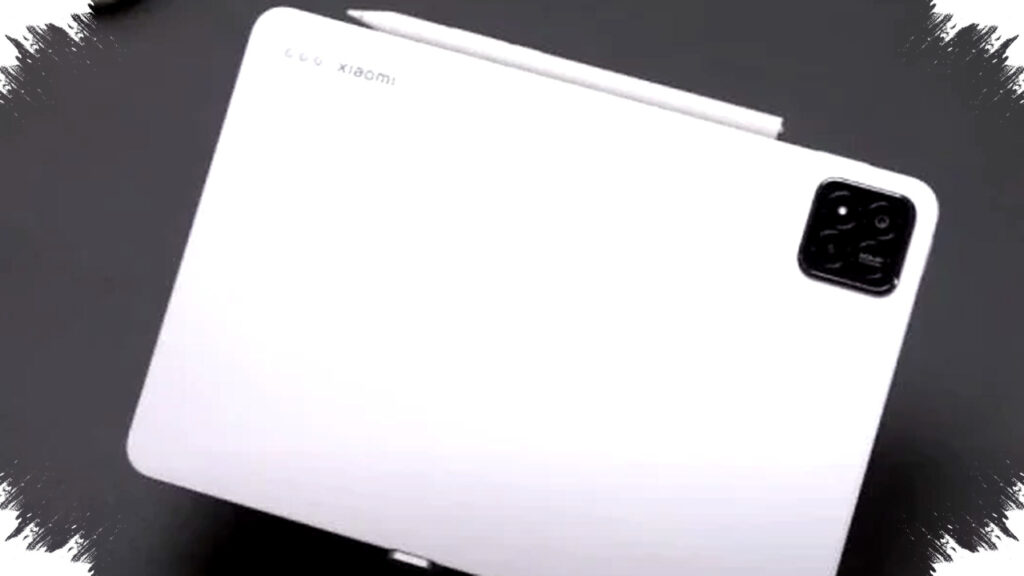
Xiaomi Pad 7 Pro still stands out in 2026 as one of the most capable Android tablets for multitasking. It keeps its place because Xiaomi combined a fast chipset, a high-refresh display, strong battery life, and AI features that make daily work feel more efficient.
For many users, the appeal is simple: this tablet can handle serious workloads without forcing them into a laptop-shaped compromise. In a market where newer devices keep appearing, the Pad 7 Pro remains relevant because its hardware and software package still answers the needs of students, remote workers, content creators, and mobile professionals.
Why Xiaomi Pad 7 Pro still matters in 2026
The biggest reason the Xiaomi Pad 7 Pro continues to get attention is its balance. It does not rely on one flashy spec alone, because its strength comes from how the core parts work together.
Xiaomi built the device around the Qualcomm Snapdragon 8s Gen 3, a 4nm chipset that still delivers strong performance for demanding tasks. That matters because multitasking on a tablet is no longer limited to note-taking or streaming, since many users now expect smooth app switching, split-screen workflows, and light content creation.
The tablet also pairs the chip with 12GB of LPDDR5X RAM and 512GB of UFS 4.0 storage. That combination gives it enough headroom for multiple apps, large files, and fast loading times, which is one of the reasons it remains a practical pick in 2026.
Performance that still feels fast enough for real work
The Snapdragon 8s Gen 3 is not just strong on paper, because it has proven capable in everyday productivity use. According to the source article, the Xiaomi Pad 7 Pro can handle 4K video editing in CapCut without the lag that often interrupts workflow on weaker tablets.
That kind of stability is important for users who edit clips on the go or jump between messaging, cloud storage, and browser tabs. Even when four apps are opened at once in split-screen mode, the tablet keeps running without sudden freezes, which makes it feel more like a portable work device than a consumption-only slate.
Here is a simple overview of the hardware that keeps it competitive:
- Snapdragon 8s Gen 3 chipset on a 4nm process.
- 12GB LPDDR5X RAM for smoother multitasking.
- 512GB UFS 4.0 storage for fast app and file access.
- Adreno 735 GPU for gaming and graphics tasks.
- Vapor chamber cooling to stabilize temperatures under load.
A display built for long hours
Multitasking is easier when the screen does not tire the eyes, and this is another area where the Xiaomi Pad 7 Pro still performs well. It uses an 11.2-inch IPS LCD panel with 3.2K resolution and a 144Hz refresh rate, which gives it a sharp and fluid feel during scrolling, document editing, and app switching.
The display also supports Dolby Vision and HDR10, which improves image quality when watching video or attending video meetings. For users who spend hours reading, reviewing spreadsheets, or following online classes, that combination makes a noticeable difference in comfort.
Audio is equally important for a tablet used in work and entertainment, and Xiaomi includes four speakers with Dolby Atmos support. That setup makes the device more enjoyable for webinars, podcasts, and video playback, especially when users do not want to depend on headphones all day.
Battery life that fits mobile routines
A tablet loses its value quickly if it has to be charged too often, so battery life remains a key part of the Pad 7 Pro’s appeal. Xiaomi equips the device with an 8850mAh battery, which is large enough to support a full day of mixed use for many users.
The source notes that the tablet can last through a long stretch of daily activity without constant trips to the charger. When it finally does run low, 67W fast charging helps bring it back to full power in about 79 minutes, which is useful for remote workers and students who move between locations.
That charging speed makes the Pad 7 Pro easier to trust in busy schedules. A short charging break can be enough to keep the rest of the day moving.
AI features make multitasking feel smarter
One reason the Xiaomi Pad 7 Pro still feels modern in 2026 is the AI layer built into HyperOS 2 based on Android 15. Xiaomi has added HyperAI tools that focus on productivity rather than novelty, which helps the tablet stand out from cheaper alternatives.
One of the most practical features is automatic meeting summarization, which can save time for users who attend frequent calls or online discussions. Instead of writing everything manually, the tablet can help turn long sessions into usable notes more quickly.
The Stylus Focus Pen also supports AI-based handwriting recognition, which gives handwritten notes a more useful digital form. Combined with the optional Xiaomi Pad Keyboard, the device can work as a lightweight laptop replacement for people who need a portable setup for writing, planning, and communication.
Why it still works for gaming too
Although the Pad 7 Pro is often discussed as a productivity tablet, it also has enough power for gaming. The Adreno 735 GPU lets it run titles like Genshin Impact on high graphics settings with stable performance, according to the source data.
The vapor chamber cooling system helps keep temperatures under control during longer sessions. That matters because a tablet that gets too hot can quickly lose performance, but Xiaomi’s thermal design makes the experience more sustainable for both work and play.
For buyers who want one device for multiple purposes, that flexibility is a major selling point. It means the tablet can handle office tasks during the day and gaming at night without feeling like it belongs to only one category.
Pricing and long-term value in 2026
At around Rp7.5 million in the source article, the Xiaomi Pad 7 Pro sits in a range that still feels competitive for what it offers. Converted directly, that places it at roughly $470, depending on exchange rates and local tax conditions.
That price matters because the tablet is not only powerful today, but also supported for the future. Xiaomi promises HyperOS updates until 2028, which gives buyers a clearer sense of longevity than many tablets in this segment.
For readers comparing tablets in 2026, the Pad 7 Pro remains appealing for several reasons:
- Strong multitasking performance.
- Display quality that supports long sessions.
- Battery and fast charging that suit mobile work.
- AI tools that improve productivity.
- Update support that extends its useful life.
Even as newer tablets continue to arrive, Xiaomi Pad 7 Pro keeps its place because it solves practical problems well. It remains a strong option for anyone who wants a fast Android tablet that can manage work, study, entertainment, and light creative tasks without feeling outdated.