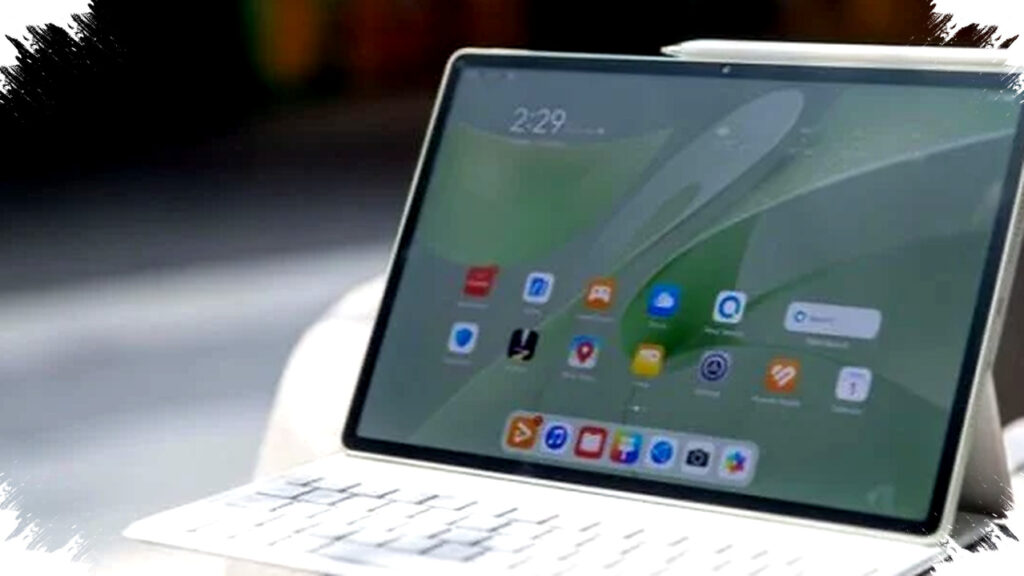
Huawei’s MatePad 12 2026 is shaping up as one of the most ambitious premium tablets aimed at creative professionals, students, and heavy multitaskers. It combines a thin metal body, a high-end OLED display, and a stylus system designed for precise note-taking, sketching, and document work.
The device sits in a market where buyers expect more than just screen size and battery life. They want a tablet that can replace part of a laptop workflow, while still feeling light enough to carry every day.
A premium tablet built for work, not just entertainment
Huawei positions the MatePad 12 2026 as a productivity-first tablet. The reference details point to a device that targets digital illustrators, graphic designers, and students who need accurate handwriting and advanced multitasking tools.
Its price in Indonesia is reported at around Rp 12–13 million, which converts to roughly $760–$830, depending on exchange rates. That figure becomes more attractive when the included accessories are considered, since the package adds value for users who would otherwise buy a stylus and keyboard separately.
Design that stays thin but still feels solid
The tablet uses an all-metal unibody design with a thickness of just 5.5 mm. That makes it one of the slimmer devices in its class, and the build still appears sturdy enough for frequent travel and daily use.
It weighs a little over 500 grams, which is still light for a tablet with this level of hardware and a 12-inch class display. The Star Ring design with a pearl-like shimmer gives it a distinct identity, while the Matte Black color keeps the look clean and professional.
PaperMatte OLED aims to reduce eye strain
One of the main selling points is the 12.2-inch Tandem OLED display with 2.8K resolution. Huawei pairs that panel with a PaperMatte finish and nanoscale anti-glare etching, which helps cut reflections in bright indoor or outdoor environments.
The display also supports a 144Hz refresh rate, which matters for stylus input and for users who switch between drawing, scrolling, and editing. Huawei says the panel can reach up to 1000 nits of brightness and covers 92% of the front surface, creating a more immersive viewing area.
Why the display matters for creators
The screen is not only for media consumption. It is built to handle tasks where color, contrast, and response time affect the final result, including illustration and layout work.
- 2.8K resolution supports sharper text and detailed visuals.
- 144Hz refresh makes stylus movement feel faster and smoother.
- Anti-flicker certification helps reduce eye fatigue during long work sessions.
- The matte treatment lowers distracting glare in bright spaces.
For users who spend hours reading, writing, or drawing, these features matter as much as raw brightness.
Kirin T92A and 12GB RAM target demanding workloads
Inside, the MatePad 12 2026 is said to use the octa-core Kirin T92A chipset. Huawei tunes it for heavier tasks such as 3D rendering and 4K video editing, which suggests the tablet aims beyond casual note-taking.
The device also carries 12GB of RAM and 512GB of storage, with expansion support through NM card. That setup gives users enough room for large files, project assets, and offline content, which is important for professionals who work without constant cloud access.
HarmonyOS 4.3 adds a productivity layer
Huawei’s software stack is a major part of the story. HarmonyOS 4.3 brings integrated productivity features, including WPS Office with full functionality and GoPaint for digital art workflows.
The system also supports a multi-desktop mode, allowing users to keep several app spaces active for different tasks. For people who jump between documents, emails, browser tabs, and creative apps, that layout can reduce friction and improve speed.
Stylus and keyboard accessories make the difference
The M-Pencil Gen 3 is one of the product’s most important accessories. Huawei says it supports 4096 pressure levels, which helps writers and artists produce natural-looking strokes and line variation.
The stylus also charges wirelessly through the keyboard attachment, reducing cable clutter and making the setup easier to use on the move. Huawei’s handwriting recognition is claimed to reach 99% accuracy, a figure that will appeal to users who want handwriting to translate smoothly into digital text.
The Glide Keyboard is another key part of the package. It connects magnetically and can flip into a laptop-style configuration in seconds, which expands the tablet’s role from sketchpad to portable work machine.
Table: main features at a glance
| Feature | Detail |
|---|---|
| Display | 12.2-inch Tandem OLED, 2.8K, 144Hz |
| Brightness | Up to 1000 nits |
| Body | All-metal unibody, 5.5 mm thick |
| Weight | A little over 500 g |
| Chipset | Kirin T92A octa-core |
| Memory | 12GB RAM |
| Storage | 512GB, expandable via NM card |
| Battery | 10,100mAh |
| Charging | 66W fast charging |
| Stylus | M-Pencil Gen 3, 4096 pressure levels |
| Speakers | Six Huawei Sound speakers |
| Front camera | 8MP ultrawide |
| Rear camera | 50MP plus depth sensor |
Battery and audio complete the premium package
Huawei includes a 10,100mAh battery, which should support long sessions of note-taking, reading, and media playback. The 66W fast charging helps reduce downtime, especially for users who move between classes, meetings, or creative sessions.
The audio setup is also generous. Six Huawei Sound speakers and quad beam-forming microphones point to a tablet designed for calls, media, and collaborative work. That combination makes video meetings and content playback feel more complete than on many thinner productivity tablets.
Camera hardware is practical rather than flashy
The rear setup includes a 50MP main camera with a depth sensor, which is good news for document scanning and quick capture tasks. The front camera uses an 8MP ultrawide lens, so video meetings can include more people in frame without requiring the tablet to be held farther away.
That camera layout reinforces the MatePad 12 2026’s broader mission. It is not trying to compete with a flagship phone for photography, but it does cover the everyday business and study tasks that tablet users actually need.
A strong option for users who value precision
Huawei’s MatePad 12 2026 stands out because it focuses on a specific kind of user. It is built for people who want a thin tablet with a premium OLED screen, accurate stylus input, and a software environment that supports serious work.
For buyers who care about display quality, writing feel, and bundled accessories, the tablet offers a more complete productivity package than many rivals in the same price range.