


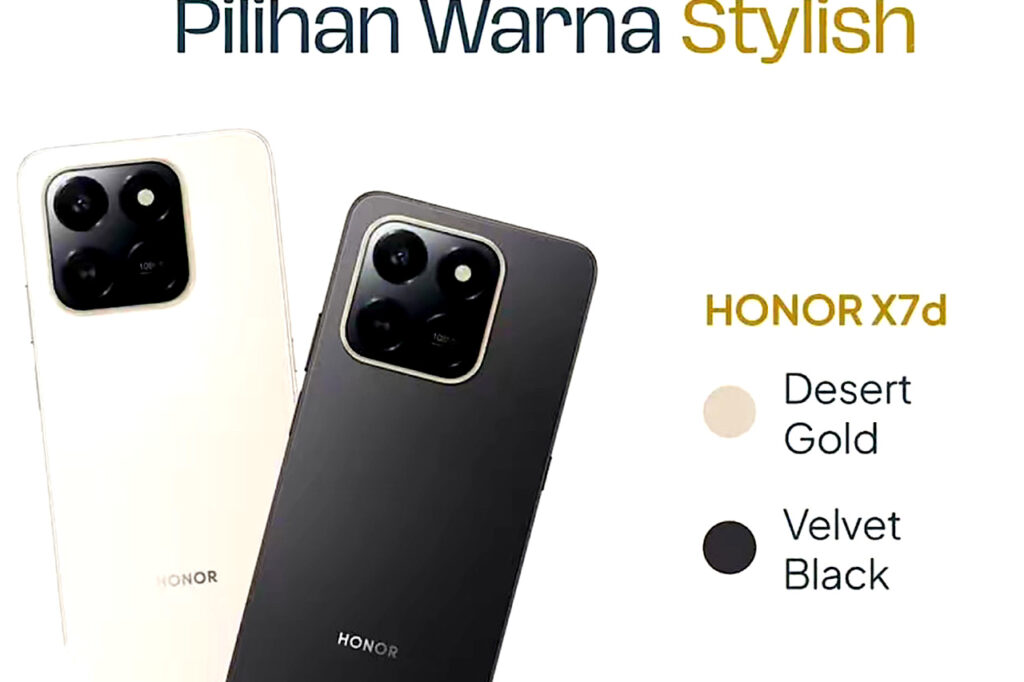
Honor’s X7D is drawing attention for a simple reason: its body is built with reinforced corners, which helps explain why the phone can survive drops from up to 2 meters in testing. The device uses what Honor calls “Honor Cushioning Architecture 2.0,” a design approach that strengthens the frame and each corner without making the phone look rugged or bulky.
That detail matters because the X7D does not present itself like a heavy-duty handset. Its finish still looks soft and premium, but the internal structure is engineered to absorb impact more effectively than a typical midrange smartphone.
What makes the Honor X7D different
The core story here is not only about durability, but also about how Honor has hidden that toughness inside a clean design. According to the reference material, the reinforced body is centered on the frame and corners, which are the most vulnerable points when a phone falls.
This kind of reinforcement is important because most accidental drops do not hit flat surfaces first. Phones usually land on edges or corners, and that is where cracks often begin, so a stronger perimeter can make a practical difference in everyday use.
Key durability features of the Honor X7D
- Reinforced frame on every corner
- Honor Cushioning Architecture 2.0 impact protection
- Claimed resistance to drops from 2 meters
- SGS 5-star drop and transfer system certification
- IP68 rating for dust and water resistance
The SGS certification adds another layer of credibility to the durability claim. It signals that the phone has been tested against more serious drop-related standards, not just marketed as “tough” in a vague way.
Why the design still looks premium
A durable smartphone often looks thick, industrial, or overly utilitarian, but the Honor X7D avoids that problem. The phone keeps a soft and polished appearance, which makes the reinforced body less obvious at first glance.
That approach is useful for buyers who want a phone that feels stylish in hand but still offers protection for daily use. In practice, this means users do not need to choose between visual appeal and basic resilience.
Water and dust protection add daily confidence
The Honor X7D also carries an IP68 rating, which means it is protected against dust and can resist water exposure under defined conditions. The reference also notes that the touchscreen can still respond even when fingers are wet, which is a practical feature for everyday scenarios.
For mobile users, this matters more than it may seem at first. A phone often gets exposed to rain, spills, damp hands, or dusty environments, and IP68 protection helps reduce the risk of immediate damage in those situations.
Positioning the X7D as a practical daily driver
The durability story becomes more relevant when paired with the phone’s other specifications. Honor gives the X7D a large 512GB storage option, a 6.77-inch display with a 120Hz refresh rate, and a 6,500mAh battery.
Those numbers suggest that the phone is not built as a niche survival device, but as a mainstream model for users who want long battery life, ample storage, and a smoother screen experience. In other words, the reinforced body supports a broader lifestyle use case rather than a single rugged feature.
Main specs that support the durability message
| Feature | Detail |
|---|---|
| Display | 6.77 inches, 120Hz refresh rate |
| Storage | Up to 512GB |
| Battery | 6,500mAh |
| Charging | 35W fast charging |
| Reverse charging | 7.5W |
| Security | SGS 5-star drop certification |
| Protection | IP68 |
The large battery also fits the phone’s practical image. Honor says the battery is built to last up to five years, which points to long-term usage rather than short product cycles.
How Honor adds convenience beyond toughness
Honor also includes a dedicated AI button on the X7D, and that makes the phone feel more immediately useful in everyday tasks. The button can trigger features such as screenshots, flashlight access, notes, and content-aware shortcuts when held down.
That system helps the device stand out because it combines durability with ease of use. A user can open contextual tools faster, which reduces friction for people who want a phone that works quickly without deep menu navigation.
AI features that expand the phone’s appeal
The X7D also connects its AI tools to media and photo workflows. If a user is watching content, the phone can suggest AI subtitles, while photo viewing can prompt editing tools such as AI Eraser.
The camera system itself centers on a 108MP main camera, and Honor pairs it with features like AI upscale and AI auto painting. That means the phone is trying to deliver not just ruggedness, but also modern software tools that fit current smartphone expectations.
Why the drop resistance claim matters in real life
A drop from 2 meters is not a trivial claim, because it is higher than many common accidental falls from desk height, pocket slips, or hand-level drops. Reinforced corners matter especially in those moments because the initial impact focuses force on a small area.
Here are the everyday scenarios where this design can help most:
- Dropping the phone while getting out of a car
- Slipping from a charging table or work desk
- Falling during movement in a crowded place
- Hitting concrete, tile, or other hard surfaces
- Exposing the phone to wet hands or light rain
These are the kinds of incidents that often decide whether a smartphone survives with minor cosmetic damage or ends up with a cracked display or bent frame.
What this means for buyers
For users who prioritize durability, the Honor X7D stands out because it combines reinforced corners, certified drop protection, and IP68 resistance in a phone that still looks polished. That mix is important in a category where many devices focus on performance or design alone.
The X7D also adds practical extras like NFC, reverse charging, and a high-capacity battery, which makes it more than just a “strong phone.” It is positioned as a balanced device for people who want reliability, large storage, and easier daily operation in one package.
What draws attention most is how Honor hides the structural strength inside a design that does not appear rugged at first glance. The result is a smartphone that can look refined on the outside while still being built to handle the kind of accidental drops and daily exposure that many users face every day.