


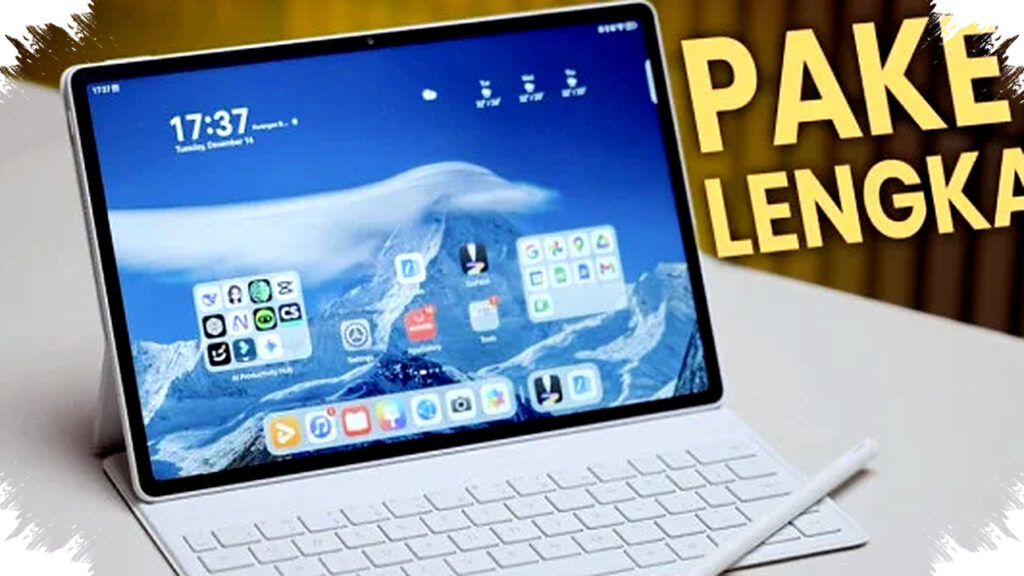
Huawei MatePad 12X is shaping up as one of the more practical premium tablets to watch in March 2026, especially for users who want a large display, stylus support, and laptop-like productivity in one device. In Indonesia, the tablet entered the market in January 2026 and became more widely available by March 2026, with a retail price around $593 based on the reported Rp9,299,000 tag.
The appeal is straightforward. Huawei is positioning the MatePad 12X for young professionals, students, and creators who need a fast, portable screen for work, note-taking, sketching, and entertainment without moving into full laptop pricing.
What Huawei is offering with MatePad 12X
Huawei MatePad 12X uses a 12-inch 2.8K display with a 144Hz refresh rate and peak brightness of 1000 nits. That combination targets users who care about smooth scrolling, vivid visuals, and better outdoor visibility.
The tablet also includes PaperMatte Display technology, which reduces glare and makes the screen easier on the eyes during long reading or writing sessions. Huawei pairs that panel with M-Pencil Pro support, which offers more than 10,000 pressure levels for more precise handwriting and drawing input.
Key specifications at a glance
- 12-inch 2.8K display
- 144Hz refresh rate
- 1000 nits peak brightness
- Kirin T90A chipset
- 12GB RAM
- 10,100mAh battery
- Fast charging support
- PaperMatte anti-glare screen
- HUAWEI M-Pencil Pro support
- HarmonyOS software environment
These specifications place the MatePad 12X in the premium tablet segment, but not at the very top of the market. Its strongest value comes from the balance between display quality, productivity features, and bundled stylus support.
Why the 144Hz screen matters
A 144Hz panel is not just a marketing line. It makes everyday interactions feel smoother, including page transitions, drawing strokes, app switching, and web browsing.
For users who read documents, edit notes, or sketch for long periods, the higher refresh rate can improve comfort and responsiveness. It also helps the tablet feel more fluid in multi-window workflows, which is useful if the device is used as a compact work tool rather than only for media consumption.
The stylus bundle adds real value
One of the main reasons the MatePad 12X is gaining attention is the included stylus package in some offers. For many buyers, that matters more than a small difference in raw benchmark performance.
The M-Pencil Pro is designed for writing, annotating, and creative work with a high level of control. Huawei says it supports more than 10,000 pressure levels, which helps users create more natural pen and brush strokes while taking notes or drawing.
Performance and battery life for daily use
Huawei equips the MatePad 12X with the Kirin T90A chipset and 12GB of RAM, which should handle common productivity tasks well. That includes document editing, online classes, browsing, video calls, and light creative work.
The 10,100mAh battery is another strong point. For a tablet with this screen size, that capacity should support long reading sessions, office work, and streaming without constant charging, while fast charging helps reduce downtime.
What Huawei improved in this generation
Huawei says the new MatePad 12X brings a 3D cooling system that improves performance by 27 percent. That matters for users who keep multiple apps open or run long sessions of note-taking, editing, or media work.
The PaperMatte display also adds a more paper-like feel, which helps the tablet stand out from many glossy alternatives. Combined with the 144Hz panel and stylus response, the overall experience is aimed at users who want a tablet that feels closer to a digital notebook.
Who the MatePad 12X is best for
The tablet is most suitable for people who want one device for study, work, and creative tasks. It suits remote workers, university students, digital note-takers, and light designers who value comfort and productivity over raw gaming power.
The device also makes sense for users who spend a lot of time reading PDFs, marking up documents, or switching between apps in split-screen mode. Those are the scenarios where its display and stylus features deliver the clearest benefit.
Where it may fall short
Not every buyer will see the MatePad 12X as the best option. The main limitation remains Huawei’s lack of full Google mobile services on many of its devices, which can affect app availability and user convenience for some people.
Huawei leans on HarmonyOS and its own app ecosystem as alternatives, and that can work well for users already comfortable with the platform. Still, buyers who depend heavily on Google apps may need to check compatibility before deciding.
Price context in March 2026
At around $593, the MatePad 12X sits in a competitive premium bracket. That price is significant because it includes features often associated with more expensive tablets, especially the high-refresh display, stylus support, and large battery.
For comparison-minded buyers, the real question is not just whether the hardware looks good on paper. It is whether the tablet’s software ecosystem and workflow match their daily habits better than rivals from Apple, Samsung, or Lenovo.
The main reasons people are considering it
| Aspect | Why it matters |
|---|---|
| 144Hz display | Smoother scrolling and pen input |
| PaperMatte screen | Less glare and better reading comfort |
| Stylus support | Stronger note-taking and drawing experience |
| 10,100mAh battery | Longer usage between charges |
| 12GB RAM | Better multitasking |
| Price around $593 | Competitive for a premium tablet |
For many buyers, that mix is enough to justify attention in 2026. The MatePad 12X does not try to be a gaming-focused tablet or a full laptop replacement, but it does focus hard on the areas that matter most in daily productivity.
A strong productivity tablet, with one important caveat
Huawei MatePad 12X stands out because it combines a 144Hz display, anti-glare PaperMatte technology, stylus support, and a large battery in a package built for work and study. The device feels aimed at users who want a calm, efficient tablet experience rather than an all-purpose Android powerhouse, and that positioning makes it one of Huawei’s more interesting releases in the March 2026 tablet market.