


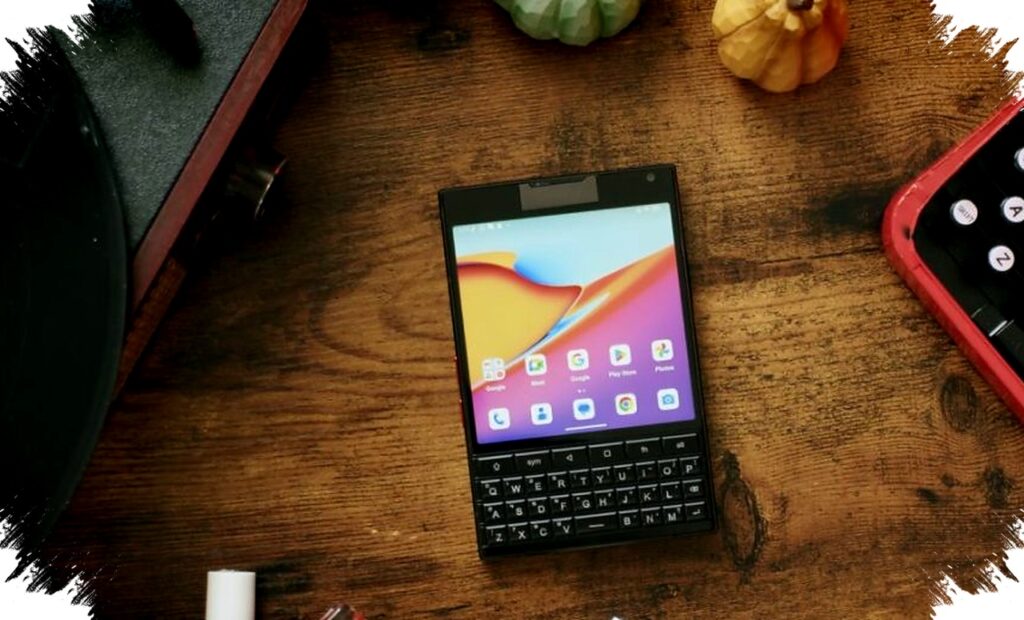
BlackBerry may not be back as a standalone smartphone giant yet, but the market is clearly showing signs of life for the kind of device that once defined the brand. The trigger is Titan 2 Elite, a keyboard-equipped Android phone from Unihertz that has drawn unusually strong attention from buyers who still want tactile keys instead of relying only on glass.
That response matters because it points to a real niche, not just nostalgia. In a smartphone market dominated by thin slabs and AI features, Titan 2 Elite shows that productivity-first devices with physical keyboards can still attract serious demand, and that opens the door for BlackBerry’s name to matter again.
A market signal BlackBerry cannot ignore
The strongest headline from Titan 2 Elite is not its design but its funding performance. According to PhoneArena, the device reached its Kickstarter goal of $100,091 in just 11 minutes after launch on March 25, 2026.
As of the reporting date, the campaign had pulled in $2.46 million in pledges with 48 days still left. That is a meaningful number for a keyboard phone, and it suggests a global audience still values the combination of typing comfort, compact productivity, and modern Android support.
For BlackBerry, the message is simple. Demand for physical-keyboard smartphones is not dead, and a revived brand could still find buyers if it brings the right mix of hardware, software, and nostalgia.
Why Titan 2 Elite feels familiar to former BlackBerry users
Titan 2 Elite is built as a refinement of the Titan 2, which launched in 2024. Its hybrid layout combines a traditional QWERTY keyboard with a virtual number and punctuation bar, a formula that echoes the BlackBerry experience many professionals once used every day.
That design choice matters because the appeal of BlackBerry was never only about the logo. It was about fast messaging, tactile feedback, and a workflow that made email and chat easier to handle on the move.
The new device also tries to avoid the compromises that often hurt niche phones. It uses Android, has modern connectivity, and packages the keyboard concept in a form that feels current rather than retro for its own sake.
Titan 2 Elite specifications at a glance
Here is a simple breakdown of the main hardware that has helped Titan 2 Elite stand out:
- 4.03-inch AMOLED display
- 1080 x 1200 resolution
- 120Hz refresh rate
- Standard model: MediaTek 7400, 12GB RAM, 256GB storage
- Pro model: MediaTek Dimensity 8400, 12GB RAM, 512GB storage
- 50MP main camera
- 50MP telephoto camera
- 32MP front camera
- 4,050 mAh battery
- 33W fast charging
Those specs place the phone well beyond the usual “throwback gadget” category. It is being sold as a capable modern smartphone that happens to include a keyboard, not as a novelty item with limited ambition.
Connectivity and support make the device more relevant
Titan 2 Elite also includes 5G, Bluetooth 6.0, NFC, an IR blaster, fingerprint security, and face unlock. That combination makes it easier to view the phone as a full modern daily driver instead of a specialty side device.
Software support is another important part of the story. Unihertz says the phone will receive Android updates up to version 20 and security patches through 2031, which is the kind of long-term commitment buyers expect from a serious smartphone brand.
Shipping plans are also already set. The standard model is scheduled to ship in July, while the Pro model is expected in October.
BlackBerry’s path back would depend on more than hardware
BlackBerry still has something many newer brands do not: name recognition. For users who remember the original BlackBerry era, the brand still stands for communication, productivity, and a distinct typing experience.
The company also has a relevant precedent. BlackBerry moved to Android with the BlackBerry Priv in 2015 after earlier operating system challenges, and that shift restored access to the Google Play Store. That move showed the brand could adapt, even if its market position later faded.
Today, a return would likely need the same kind of practical thinking. A BlackBerry-branded phone would need modern Android support, competitive battery life, current cameras, and a keyboard that feels fast and useful rather than purely decorative.
What would make a comeback credible
A successful BlackBerry reboot would probably need to focus on these five priorities:
- A keyboard that feels precise and comfortable for long typing sessions
- Clean Android software with reliable app support
- Strong security and enterprise-friendly features
- Battery life that suits professional use
- A price that matches the niche, not a flagship premium that ignores the audience
That formula would not aim at everyone, and it does not need to. The market for physical-keyboard smartphones is small, but it is clearly alive, and that makes focused positioning more realistic than competing head-on with mainstream flagships.
The role of rivals like Unihertz and Clicks
Industry observers have noted that BlackBerry’s brand still carries weight, especially among professionals and users who associate the company with efficient mobile communication. That gives the name a possible edge over smaller niche players, even if those rivals already serve the same audience.
Unihertz has shown that the category can work commercially, while brands like Clicks have also helped keep the keyboard-phone idea visible. Their success indicates that this is not just about sentimentality, but about a genuine product category with loyal users.
For BlackBerry, that is both an opportunity and a warning. A return would need to be better than a tribute act, because buyers in this segment already have alternatives.
Why the timing could matter now
The broader smartphone market has become crowded with similar-looking devices, and many brands now compete mainly on camera tuning, AI tools, and display quality. In that environment, a keyboard phone stands out immediately, which gives it a marketing advantage that most phones no longer have.
That uniqueness can matter on social platforms and in Google Discover, where visually different devices tend to draw attention. It can also help a revived BlackBerry tap into a mix of nostalgia, productivity, and practicality that is difficult for mainstream phones to replicate.
If BlackBerry decides to re-enter the market in any meaningful way, Titan 2 Elite has already shown that there is still room for a device built around physical input, Android flexibility, and a productivity-first identity. The audience may be smaller than in BlackBerry’s peak years, but the demand is real enough to make a return worth watching closely.