


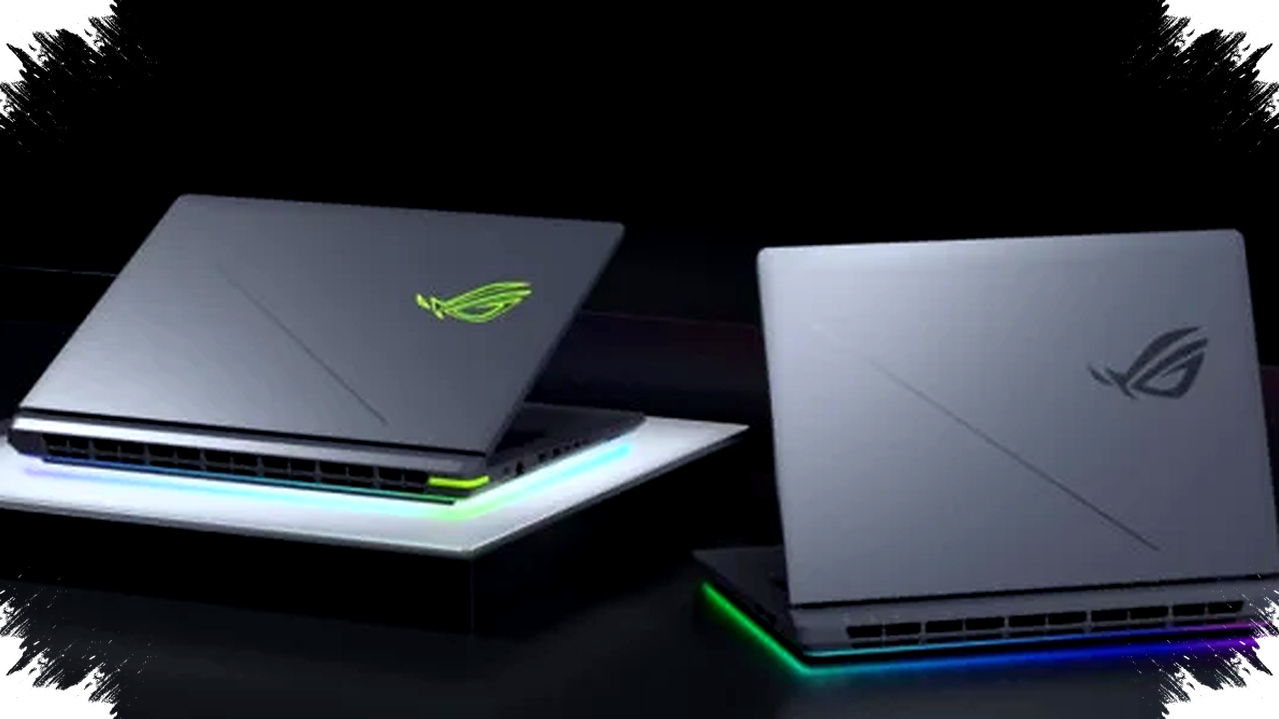
ASUS has officially introduced the 2026 ROG Strix G16 and ROG Strix G18, and both models are clearly aimed at high-end gaming and demanding creative work. The new lineup brings a stronger processor and graphics combination, a sharper display upgrade, and a more serviceable chassis designed to make future upgrades easier.
At the center of the update is Intel Core Ultra 9 290HX Plus paired with NVIDIA GeForce RTX 5080 laptop graphics. ASUS says the combination is built to handle modern games with ray tracing, high frame rates, and accelerated workloads such as 3D rendering and video editing.
Performance Built for Heavy Gaming and Content Creation
The hardware choice places the 2026 Strix series in a serious performance tier. With the RTX 5080 on board, ASUS is also pushing support for DLSS 4 and Multi-Frame Generation, which can help boost frame rates in compatible games while keeping visual quality high.
That matters for users who want one laptop for more than gaming alone. The same performance headroom should benefit streamers, video editors, and 3D artists who need fast rendering and stable multitasking.
Two Display Paths, Two Very Different Experiences
ASUS gives the ROG Strix G16 and G18 distinct display identities, and both target gamers with different priorities. The G16 uses a 16-inch IPS panel with 2.5K resolution and a refresh rate of up to 300Hz, while the G18 moves to an 18-inch Mini LED panel aimed at premium HDR performance.
The G16 panel also carries a 3ms response time, 100% DCI-P3 color coverage, Pantone validation, Dolby Vision support, and G-SYNC. That makes it suitable not only for fast-paced gaming, but also for users who want more reliable color reproduction for creative work.
The G18, meanwhile, is the more ambitious panel of the two. ASUS says the Mini LED display includes more than 2,000 dimming zones, a 240Hz refresh rate, 3ms response time, and peak brightness reaching 1,600 nits, which should produce stronger contrast and more impactful HDR visuals.
Key Display Differences at a Glance
- ROG Strix G16: 16-inch IPS, 2.5K, up to 300Hz
- ROG Strix G18: 18-inch Mini LED, 240Hz, more than 2,000 dimming zones
- Both models: 3ms response time, anti-reflection layer, G-SYNC support
- G16 extras: 100% DCI-P3, Pantone validation, Dolby Vision
- G18 highlight: up to 1,600 nits peak brightness for HDR content
Cooling System Aims to Keep Performance Stable
High-end hardware needs strong thermal management, and ASUS has revised the cooling setup for the 2026 Strix models. The new system combines a vapor chamber, three fans, and layered heatsinks to help the laptop sustain performance during long gaming sessions.
This approach is important because modern gaming laptops often lose speed when temperatures rise. By improving airflow and heat dissipation, ASUS is trying to reduce performance drops during extended loads such as marathon gaming, rendering, or heavy multitasking.
More Practical for User Upgrades
One of the more useful changes in the 2026 generation is the redesign of the chassis for easier maintenance. ASUS now allows tool-free access to internal components, which makes it simpler for users to reach the RAM and SSD.
The SSD slot also uses a Q-Latch system, so installation does not require screws. For buyers who like to upgrade storage later or service the device themselves, that is a meaningful quality-of-life improvement.
The memory and storage specifications are also generous. Both laptops support up to 64GB of DDR5 memory at 6400MT/s and up to 2TB of PCIe 4.0 SSD storage.
Connectivity Stays Fully Loaded
ASUS has not cut corners on ports, and the 2026 Strix family comes with a broad set of connections for gaming and productivity. The inclusion of two Thunderbolt 5 ports gives users fast data transfer, DisplayPort 2.1 output, and power delivery support.
The rest of the I/O includes three USB 3.2 Gen 2 Type-A ports, HDMI 2.1, 2.5G Ethernet, and WiFi 7. That combination should make the laptop flexible enough for high-refresh external monitors, wired gaming setups, and fast wireless networking.
Connectivity and Feature Set
| Feature | Details |
|---|---|
| Thunderbolt | 2x Thunderbolt 5 with DisplayPort 2.1 and power delivery |
| USB-A | 3x USB 3.2 Gen 2 Type-A |
| Video output | HDMI 2.1 |
| Networking | 2.5G Ethernet, WiFi 7 |
| Audio | Dolby Atmos, Hi-Res Audio, AI noise reduction |
| Operating system | Windows 11 Pro |
Audio also gets attention through Dolby Atmos, Hi-Res Audio, and AI-based noise cancellation. ASUS includes Windows 11 Pro, per-key RGB lighting with Aura Sync, and a dedicated Copilot key, which reflects the company’s push to position these machines as both gaming devices and modern productivity tools.
Battery, Weight, and Portability Trade-Offs
Both models use a 90Wh battery, supported by power adapters rated up to 380W. That setup suggests ASUS is prioritizing performance first, while still giving the laptops enough battery capacity for mobile use between charging sessions.
The weight difference is also worth noting. The ROG Strix G16 weighs around 2.7 kg, while the larger G18 comes in at 3.5 kg, which makes the 18-inch model noticeably less portable.
ASUS offers both laptops in Eclipse Grey and Volt Green, continuing the brand’s familiar gaming-oriented styling. The visual design remains aggressive, but the internal refinements suggest the company is trying to balance aesthetics with everyday usability.
What ASUS Has Not Confirmed Yet
ASUS has not shared official global pricing or availability details for the ROG Strix G16 and ROG Strix G18 (2026). That leaves buyers waiting for the final market launch, especially in regions where high-end gaming laptops often face different release windows and pricing structures.
Even without those details, the specification sheet makes the intent of the lineup clear. ASUS is targeting users who want top-tier gaming performance, stronger HDR display options, better cooling, and a laptop that is easier to upgrade than many rivals in the same class.