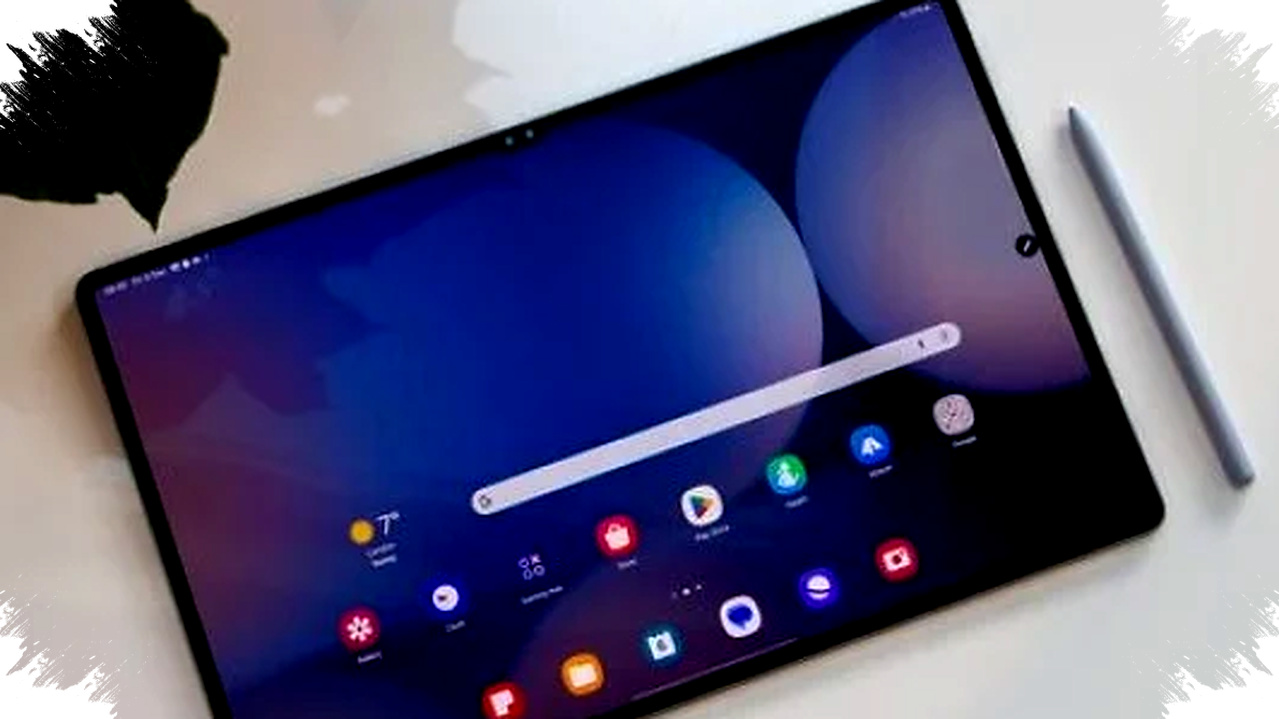
Samsung Galaxy Tab S10 Ultra continues to stand out in 2026 as one of the most complete Android tablets available, and that is the main reason it still dominates the premium tablet conversation. Even as newer models arrive with fresh marketing claims, Samsung’s big-screen flagship keeps its position because it combines hardware strength, productivity tools, and durability in a way few rivals can match.
The tablet’s staying power is not built on hype alone. It comes from a careful balance of display quality, performance, software support, and practical features that still feel relevant well beyond its late-2024 launch window.
Why the Galaxy Tab S10 Ultra still feels ahead
At a time when many tablets chase thinness or price cuts, the Galaxy Tab S10 Ultra takes a different route. It delivers a large 14.6-inch Dynamic AMOLED 2X display with a resolution of 1848 x 2960 pixels, a 120Hz refresh rate, and HDR10+ support, making it one of the most impressive panels in the category.
The screen stays a major advantage in 2026 because it serves both entertainment and work use well. Text looks sharp, motion feels smooth, and color output remains strong enough for creators, students, and professionals who need reliable visual accuracy.
Samsung also gives the device durable protection through Mohs level 5 surface resistance, which helps reduce everyday scratches. That matters because a tablet this large often moves between homes, offices, classrooms, and field environments.
Premium hardware still makes a strong case
The tablet measures 326.4 x 208.6 x 5.4 mm and weighs 718 grams in the Wi-Fi version, which makes it large but still balanced for its size. Samsung uses glass on the front and aluminum on the frame and back, giving the device a solid feel that matches its premium positioning.
One of the strongest hardware claims is the IP68 rating. Samsung says the device can withstand immersion in up to 1.5 meters of water for 30 minutes, a specification that remains rare in the tablet market.
That level of protection gives the Tab S10 Ultra an edge over thinner competitors that still leave users exposed to rain, spills, or dusty work conditions. It is one of the reasons the tablet remains attractive to users who need a device that can survive more than a controlled indoor setup.
Performance still holds up in real-world use
Inside, Samsung pairs the tablet with the MediaTek Dimensity 9300+ built on a 4nm process. The chipset uses a Cortex-X4 core that can reach 3.4 GHz, while the Immortalis-G720 MC12 GPU handles graphics-heavy tasks and modern games.
That hardware is still meaningful in 2026 because tablet users now expect more than media playback. Many people run editing apps, split-screen workflows, cloud tools, and game streaming services, and the Tab S10 Ultra supports those workloads with fewer compromises than most Android rivals.
Samsung DeX further strengthens its position. When connected to a monitor or keyboard, the tablet behaves more like a portable workstation, which makes it useful for office tasks, presentations, and light content production.
Key specs that help the Tab S10 Ultra stay competitive
- 12GB or 16GB RAM for multitasking
- Up to 1TB internal storage
- Dedicated microSDXC support up to 1.5TB
- Circle to Search for quick visual lookup
- Live Translate for real-time multilingual communication
These features matter because they solve real problems instead of adding gimmicks. Heavy multitasking becomes smoother, storage limits become less restrictive, and AI tools help users search and communicate faster without relying on extra apps.
The storage setup is especially important in 2026, when users handle larger files, higher-resolution media, and more offline data. A dedicated microSD slot gives the Tab S10 Ultra flexibility that many premium tablets still do not offer.
Cameras and audio remain useful, not just decorative
Samsung equips the rear with a 13MP wide camera and an 8MP ultrawide camera, both of which support practical use for scanning, documentation, and occasional content capture. The tablet can record video at 4K 30fps, which is enough for many professional and educational workflows.
On the front, the dual 12MP wide and 12MP ultrawide 120-degree cameras make video calls clearer and more stable. That configuration matters more now than it did at launch because remote meetings, online classes, and hybrid work continue to shape tablet demand.
The quad-speaker setup adds another advantage. It produces fuller audio than the typical tablet speaker system, while the lack of a 3.5mm jack reflects the device’s modern flagship direction.
Connectivity keeps it relevant for work and travel
Samsung gives the tablet Wi-Fi 7 tri-band, Bluetooth 5.3, USB Type-C 3.2, and 5G SA/NSA support. That combination helps the Tab S10 Ultra stay viable across different usage scenarios, whether someone works from a fixed desk or travels frequently.
Faster wireless standards matter because tablet users increasingly depend on cloud storage, remote desktops, and live collaboration tools. Strong connectivity is no longer a luxury feature, but a core part of the productivity experience.
S Pen and battery life remain part of the appeal
The included S Pen has a reported latency of just 2.8 ms, which gives it a writing feel close to pen on paper. That low delay makes the tablet especially appealing for note-taking, sketching, annotation, and design work.
The battery also supports the tablet’s long-session promise. Samsung lists an 11,200 mAh battery with 45W charging support and claims up to 85 hours of normal use, a figure that helps explain why the device remains practical for users with demanding schedules.
What keeps Samsung in front in 2026
The Tab S10 Ultra stays dominant because it does not rely on one standout feature. It combines a large premium display, strong chip performance, water resistance, stylus support, desktop-style productivity, and generous memory options in one package.
That formula is hard to beat in a market where many tablets still feel optimized for either entertainment or basic productivity, but not both. Samsung has built a device that remains relevant across several user groups, and that versatility is what keeps it near the top even as 2026 brings newer launches and louder competition.
For users who want a tablet that can replace a laptop in some situations, handle creative work, and still deliver a first-class media experience, the Galaxy Tab S10 Ultra remains one of the strongest answers available in the Android ecosystem today.
-
-
-

-