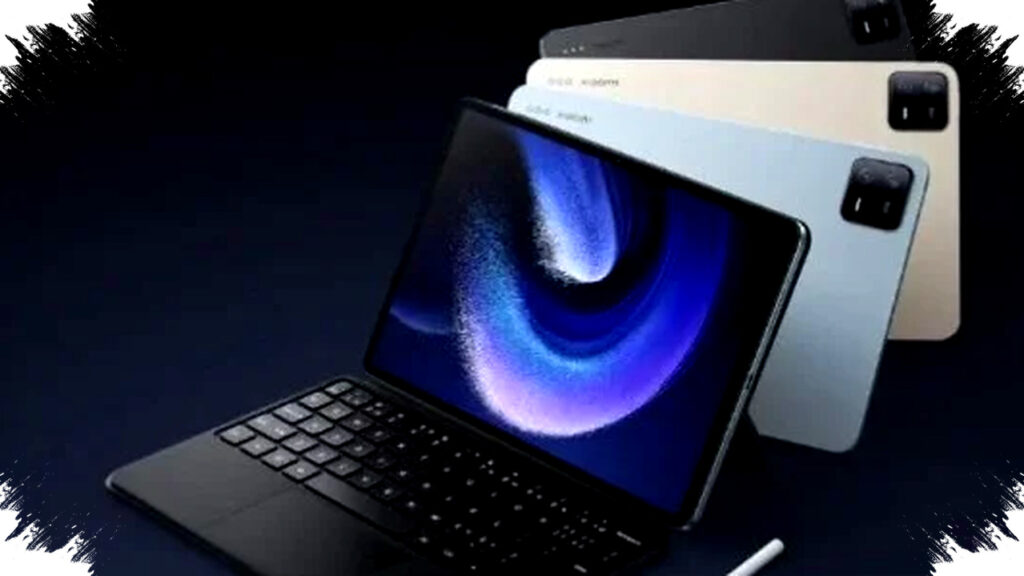
Xiaomi Pad 7 Pro remains one of the most compelling Android tablets in 2026 because it still delivers a rare mix of flagship-level speed, high-end display quality, and practical pricing. In a market where many tablets promise premium performance but fall short in daily use, Xiaomi’s device continues to stand out as a serious option for buyers who want strong value without compromising the core experience.
The tablet keeps attracting attention because its appeal is not tied to hype alone. With a price range around $360 to $450 for the 12GB/256GB variant based on the article’s reference conversion from Rp 6 million to Rp 7.5 million, it sits in a zone where it can challenge models that cost significantly more.
Why Xiaomi Pad 7 Pro Still Feels Relevant in 2026
Xiaomi positioned the Pad 7 Pro as a device that delivers more than its price suggests, and that formula still works in 2026. Many tablets in the market compete on design or brand image, but this model leans on clear hardware advantages that users can feel immediately.
The real strength lies in how balanced the experience is. It does not rely on one standout feature while neglecting the rest, which makes it easier to recommend for work, media, and light creative tasks.
3.2K 144Hz Display Remains a Major Selling Point
The display is still one of the biggest reasons the Xiaomi Pad 7 Pro remains a threat to newer rivals. Its 11 to 12.1-inch panel with 3.2K resolution gives text, photos, and videos a crisp appearance that feels premium during everyday use.
The adaptive 144Hz refresh rate adds another layer of quality by making scrolling and animation smoother. That matters in 2026 because many users now expect fluid motion not only in gaming, but also in browsing, note-taking, and multitasking.
Brightness also plays a role in keeping the tablet competitive. With a peak brightness of 800 nits and HDR support, the screen stays readable in bright outdoor conditions, including direct sunlight.
Snapdragon 8 Series Performance Still Holds Up
Inside the tablet, Snapdragon 8 series performance keeps the experience fast and responsive. The article’s reference notes that the chipset delivers instant-feeling responsiveness from the moment the screen turns on, and that remains exactly the kind of advantage buyers notice first.
Paired with up to 12GB of RAM and up to 512GB of storage, the tablet can handle multiple apps without constant reloads. That combination makes it useful not only for entertainment, but also for students, remote workers, and anyone who frequently switches between documents, browsers, and messaging apps.
HyperAI Brings Practical Features, Not Just Marketing Buzz
Xiaomi has also pushed HyperAI inside HyperOS to make the tablet more useful in real-world tasks. According to the source article, the system can summarize long documents automatically, edit photos with a simple command, and translate foreign text instantly without requiring an extra subscription.
That matters because AI features in 2026 are only valuable if they save time. Xiaomi’s approach makes the Pad 7 Pro feel less like a passive consumption device and more like a productivity tool for daily tasks.
Audio and Camera Support the All-Rounder Position
The quad-speaker setup with Dolby Atmos remains another reason the tablet stays competitive. Audio feels more immersive for movies, live concert streams, and long podcast sessions, which helps the device stand out for media consumption.
Its front and rear cameras also cover practical needs well enough for video calls, documentation, and light content creation. While tablets are rarely bought primarily for camera quality, stable performance in this area adds to the device’s reliability.
Connectivity and Accessories Expand Its Use Cases
The Xiaomi Pad 7 Pro becomes more flexible thanks to its connectivity and accessory support. The article highlights Wi-Fi 7, Bluetooth 5.4, and 120W fast charging, all of which contribute to a more modern user experience.
- 120W fast charging helps reduce downtime and keeps the tablet ready for use quickly.
- Wi-Fi 7 improves speed and stability for streaming, downloads, and cloud-based work.
- Bluetooth 5.4 offers efficient and stable wireless connectivity for accessories.
- Optional keyboard turns the tablet into a more laptop-like device.
- Optional stylus expands its value for sketching, annotation, and note-taking.
These extras matter because they help the tablet shift between roles. A device that can move easily from entertainment to productivity usually has a better chance of surviving in a crowded market.
How It Compares Against Newer 2026 Tablets
Many tablets released in 2026 try to win buyers through softer promises such as AI branding, thinner designs, or aggressive marketing. Xiaomi Pad 7 Pro takes a more direct route by focusing on things users can actually measure: speed, screen quality, charging, and overall balance.
That is why it remains a real threat even as newer models arrive. A tablet does not need to be the newest to stay relevant if it offers a better combination of performance and value than its competitors.
What Buyers Still Get for the Money
For around $360 to $450, users get a tablet with a premium display, flagship-class performance, strong battery management support through fast charging, and a feature set that feels ready for both work and entertainment. In many cases, buyers at this price point must choose between performance and multimedia quality, but Xiaomi tries to deliver both.
That combination is important in 2026, when consumers are more careful about spending and expect a device to last longer before feeling outdated. The Pad 7 Pro fits that mindset because its hardware still looks strong against many newer midrange tablets.
The result is a device that remains easy to recommend for users who want a tablet that feels fast, looks excellent, and works well across a wide range of daily needs. For anyone comparing options in 2026, Xiaomi Pad 7 Pro still makes a strong case by continuing to deliver flagship-style value in a market that is getting more expensive and more crowded.