


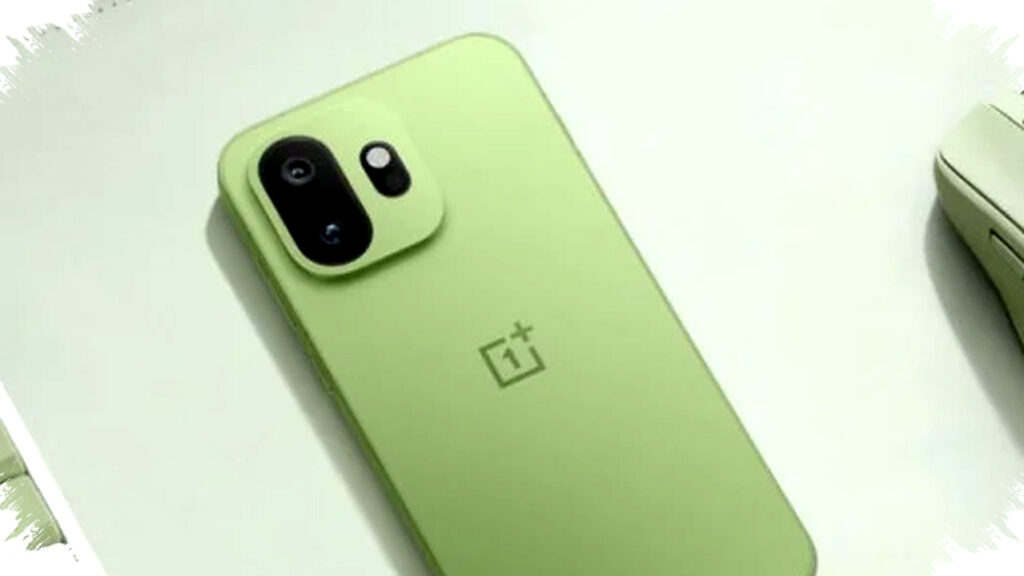
The Xiaomi 17 is being positioned as a far more expensive flagship than the OnePlus 15T, and the gap is hard to ignore. Based on the referenced pricing, the OnePlus model sits around $600, while the Xiaomi 17 climbs to roughly $1,000, creating a difference of about $400 for phones that share the same Snapdragon 8 Elite Gen 5 chipset.
That price gap raises a clear question for buyers in 2026: what exactly makes the Xiaomi 17 cost almost twice as much? The answer is not just raw performance, because both phones can run demanding apps and games at flagship speed. The real difference comes from design, camera hardware, display tuning, battery strategy, and the kind of premium experience each brand is trying to sell.
Same Chip, Different Story
On paper, both devices start from the same foundation. They use the Snapdragon 8 Elite Gen 5, which means core performance is close enough that most users will not notice a huge speed gap in daily use.
The split begins with software and product philosophy. OnePlus keeps OxygenOS lightweight and responsive, with less visual clutter and fewer background extras. Xiaomi leans into HyperOS, which feels richer and more integrated but also more feature-heavy.
That means the Xiaomi 17 is not charging more for faster processing. It is charging more for a broader feature set and a more polished flagship identity.
Design Is a Major Part of the Cost
OnePlus 15T takes a practical route. It uses a composite fiber back instead of glass, and it carries IP68 and IP69K certification, a level of protection often seen on tougher devices.
Xiaomi 17 goes in the opposite direction. It uses premium glass, metal edges, and a finish designed to feel more luxurious in the hand.
For many buyers, that premium feel matters. It does not improve benchmark scores, but it does influence how the phone looks, feels, and fits into the ultra-flagship market.
Display Choices Reflect Two Different Priorities
The OnePlus 15T uses a 165Hz AMOLED display with support for 1 billion colors and a peak brightness of 3,600 nits. That makes it especially attractive for gamers and users who value ultra-smooth scrolling.
The Xiaomi 17 uses a 120Hz LTPO AMOLED panel with support for 68 billion colors and more adaptive power management. It is tuned more for cinematic visuals, color accuracy, and efficiency than pure speed.
Here is the practical trade-off:
- OnePlus 15T prioritizes motion smoothness.
- Xiaomi 17 prioritizes visual depth and adaptive refinement.
For most people, both screens are excellent. But Xiaomi’s panel is built to feel more premium, and that adds to the cost.
The Battery Advantage Goes to OnePlus
Battery size is one area where OnePlus makes an aggressive statement. The OnePlus 15T comes with a 7,500mAh battery, which is unusually large for a flagship phone.
The Xiaomi 17 is still large by flagship standards, with a 6,330mAh battery in the global version and up to 7,000mAh in the China model. Yet it still trails the OnePlus on endurance.
Both phones support 100W wired charging and 50W wireless charging. Xiaomi also offers stronger reverse charging support, including 22.5W for cable and wireless use, while OnePlus reaches only 10W wired reverse charging.
That means OnePlus wins on endurance, while Xiaomi wins on charging flexibility.
Camera Hardware Is Where Xiaomi Justifies More of Its Price
The biggest reason Xiaomi can defend its higher price is the camera system. The OnePlus 15T uses a dual 50MP setup with wide and 3.5x telephoto lenses.
The Xiaomi 17 uses a triple 50MP setup with wide, ultrawide, and 2.6x telephoto lenses, along with Leica tuning. That gives it more shooting options and a more premium imaging identity.
The difference becomes even more obvious in the front camera and video tools. Xiaomi uses a 50MP selfie camera with 4K support, while OnePlus uses a 16MP front camera.
Xiaomi also adds pro-level video features such as 10-bit recording, LOG support, and HDR tools. This makes it more suitable for creators who want better control over color and post-production.
Why Xiaomi Costs More, in Simple Terms
The price premium is not only about hardware, but also about positioning. Xiaomi is selling a more complete luxury package, while OnePlus is selling value and endurance.
A simple breakdown looks like this:
| Category | OnePlus 15T | Xiaomi 17 |
|---|---|---|
| Price | $600 | $1,000 |
| Chipset | Snapdragon 8 Elite Gen 5 | Snapdragon 8 Elite Gen 5 |
| Battery | 7,500mAh | 6,330mAh global / 7,000mAh China |
| Main Focus | Battery life and speed | Camera, design, premium features |
| Display | 165Hz AMOLED | 120Hz LTPO AMOLED |
| Selfie Camera | 16MP | 50MP |
This table shows why the Xiaomi 17 is more expensive. It does not win in every category, but it offers more luxury-oriented features and stronger imaging hardware.
Who Is Paying for What?
The OnePlus 15T looks like the rational purchase for most users. It gives near-identical performance, much bigger battery life, and a much lower price.
The Xiaomi 17, by contrast, targets buyers who care about premium materials, better camera versatility, and creator-focused tools. Its price reflects a broader attempt to deliver an ultra-flagship experience rather than just a fast phone.
That is why the Xiaomi 17 can look expensive at first glance, yet still make sense for a narrow group of buyers. Photography enthusiasts, mobile videographers, and users who want a more refined flagship feel may see value in the extra cost.
OnePlus 15T is the stronger value play, but Xiaomi 17 is not simply overpriced. It is built for a different kind of buyer, one that is willing to pay more for a better camera system, a more luxurious body, and advanced video features that go beyond everyday smartphone needs.
For shoppers comparing the two in 2026, the real question is not which phone is better in general, but which one justifies its price based on how the device will actually be used day to day.