


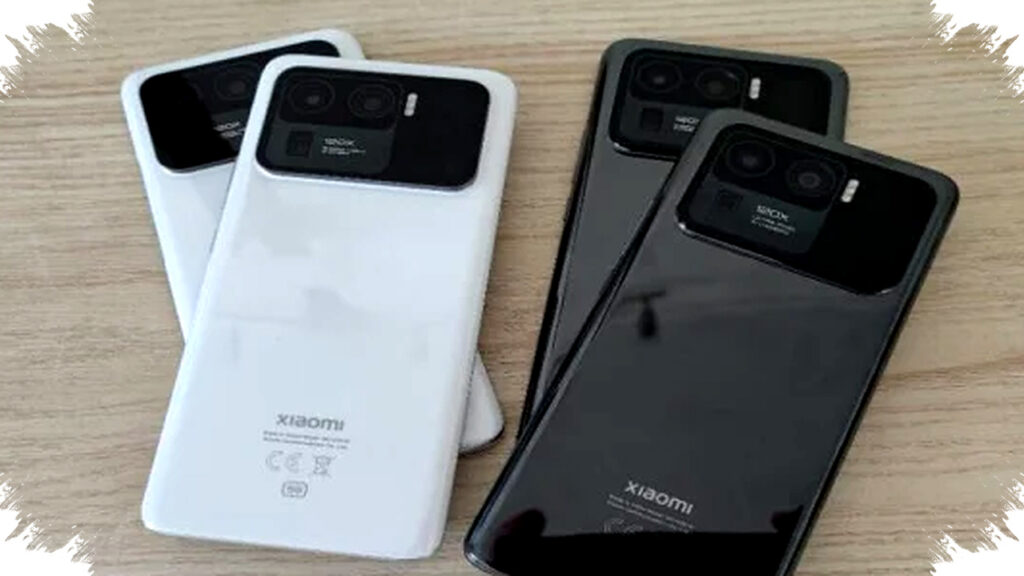
Many Xiaomi owners panic when they see the words End of Life, or EOL, on a phone’s software support page. In practice, the device does not suddenly stop working the day Xiaomi ends updates, because the real lifespan of a Xiaomi phone is usually much longer than its official update window.
The difference is important for anyone asking whether a Xiaomi phone has “stopped updating” and whether it is still safe to use. Recent data and platform rules show that many Android phones can continue running popular apps for years after support ends, while other issues such as battery wear and banking app policies often become the real reason users decide to upgrade.
What EOL Actually Means for Xiaomi Users
EOL means Xiaomi no longer sends official security patches or major software updates for that model. It does not mean the phone becomes unusable, and it does not automatically block calls, messages, browsing, or most everyday apps.
For many users, the device can keep functioning normally long after the last official update arrives. The main change is that the phone no longer receives the latest fixes from the manufacturer, so any new security risks will remain unpatched.
Why a Xiaomi Phone Can Stay Useful for Years
The biggest reason a Xiaomi phone can live on after EOL is that app support usually lasts far longer than phone support. Based on current market data, Android 10, which launched in 2019, is expected to remain compatible with apps until around 2029, while Android 13 may not lose support from major apps until around 2036.
That means the software inside the phone often remains acceptable for a long time, even after Xiaomi ends updates. Popular apps such as WhatsApp and YouTube are also known to work for roughly 10 to 11 years after the original Android version was released, depending on the app’s minimum system requirements.
The Real Limit Is Often Not Xiaomi, But Apps and Hardware
A phone that no longer gets updates can still feel modern if the apps keep working and the hardware stays healthy. In many cases, the first real problem is not the operating system, but a combination of battery aging, app policy changes, and declining performance.
Google Play Services is one of the most important components here because it manages account sync, app store access, and several Android background functions. If a device drops below the minimum version needed by Google services and major apps, it may lose part of its “smart” functionality over time.
When Apps Start Rejecting Older Xiaomi Phones
Most mainstream apps do not stop working the moment official support ends. Instead, they slowly raise their minimum Android requirements, and that process usually takes many years.
Here is a simple overview of what often matters most:
| Factor | What happens | Impact on users |
|---|---|---|
| Android version support | Apps keep supporting older Android releases for years | Phones can stay usable long after EOL |
| Google Play Services | Core services may require newer Android builds | Some features can fail gradually |
| App minimum requirements | Apps update their compatibility rules | Certain apps may stop installing or opening |
YouTube, for example, currently requires at least Android 9.0 for stable feature support. That shows how slow the transition can be, because many devices launched years earlier still remain usable for common tasks.
Why Banking Apps Often End Support First
Among all app categories, banking and financial apps are usually the strictest. They often enforce tougher security standards than the Android ecosystem itself, and they may block access if a device misses security updates for too long.
In many cases, if a phone’s security patch level is more than two years behind, a banking app may refuse to run or may limit features. This happens because financial institutions prioritize fraud prevention and data protection, so they often move faster than general consumer apps.
Battery Age Can End a Phone Before Software Does
For many Xiaomi phones, battery condition becomes the main reason users upgrade. Lithium batteries naturally lose capacity and stability over time, which can cause sudden shutdowns, faster drain, and weaker peak performance.
When the battery voltage drops too much, the system may throttle the processor to prevent unexpected power loss. Users often describe this as lag, stutter, or a phone that feels slower even though the chipset itself is still capable.
Custom ROMs Are Not Always a Simple Solution
Some Xiaomi owners extend a phone’s life by unlocking the bootloader and installing a Custom ROM. This can add new Android features and longer software support, but it also comes with trade-offs that many users do not expect.
Unlocking the bootloader can affect Widevine L1 certification, which may reduce Netflix playback to SD quality. It can also interfere with NFC payments and other services that depend on device certification and verified system integrity.
Practical Ways to Extend a Xiaomi Phone’s Lifespan
A Xiaomi phone can stay useful much longer if the owner takes care of both software and hardware. Regular maintenance matters as much as official update support, especially for people who want to keep a device for several years.
- Replace the battery when capacity drops significantly.
- Avoid installing apps from unofficial sources.
- Keep important apps updated through the Play Store.
- Monitor banking app compatibility before your device becomes too old.
- Consider a factory reset if the phone becomes slow due to storage buildup.
- Use trusted repair centers if hardware problems appear.
These steps do not restore official support, but they can make an EOL Xiaomi phone much safer and more stable for daily use.
How Long Can a Xiaomi Phone Really Last?
The answer depends on what “last” means. If the question is whether the phone still powers on and runs common apps, many Xiaomi devices can stay relevant for close to a decade or more.
If the question is whether the phone remains fully secure, fully compatible with banking apps, and fully efficient under heavy use, the timeline is usually shorter. For many users, that gap between “still works” and “still meets all needs” is where the real upgrade decision happens.
Current app support trends suggest that software EOL is only one milestone in a much longer device life cycle. In everyday use, the battery, app requirements, and security policies often decide how long a Xiaomi phone remains practical after updates stop.