


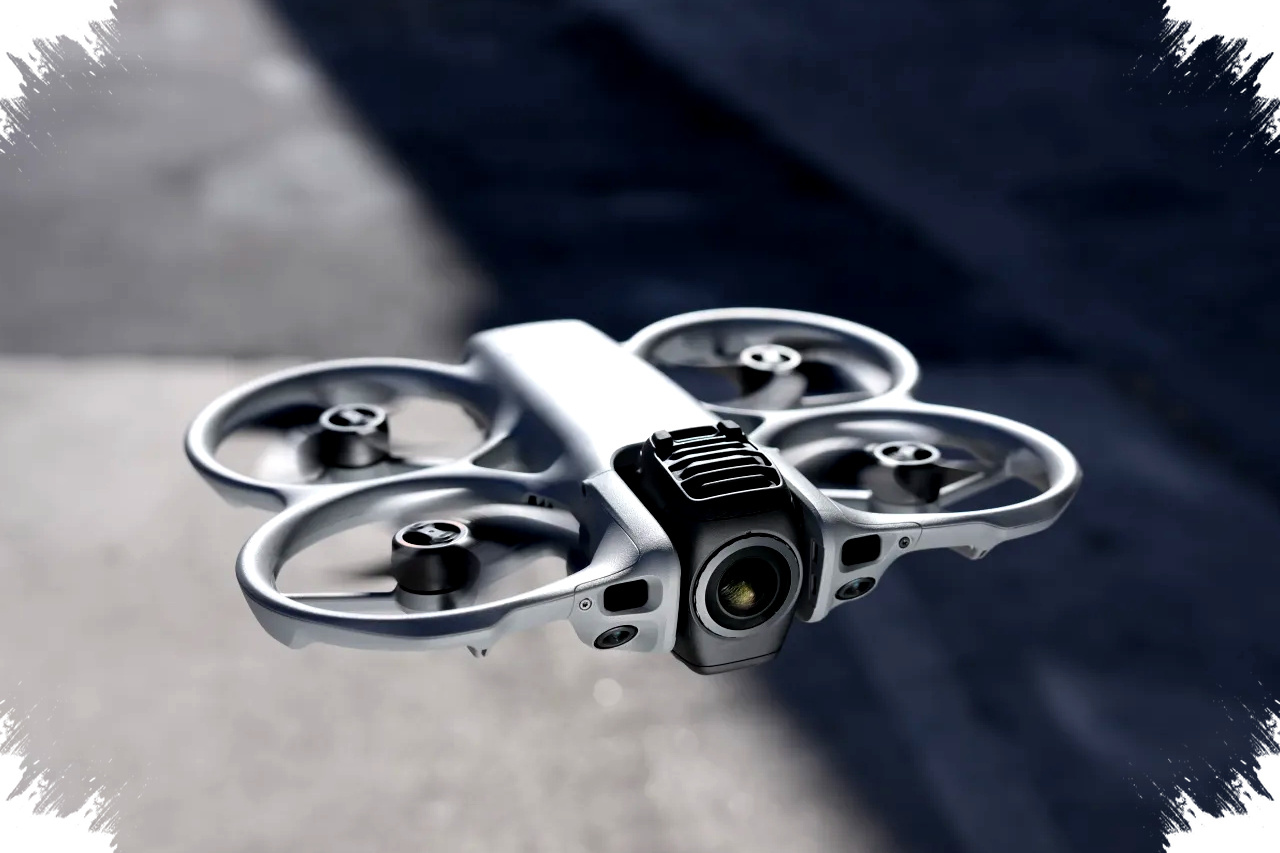
DJI has introduced the Avata 360 as a flagship drone that aims to blur the line between FPV flying and immersive 360-degree capture. The model is designed for creators who want one aircraft that can shoot cinematic aerial footage, support dynamic flight control, and give them more freedom in post-production.
The company positions it as more than a regular camera drone because it combines a 360-degree imaging system with the fast, reactive feel of first-person view flying. That mix matters for filmmakers, content creators, and social video teams that need unusual angles without repeating the same shot from multiple flights.
A Drone Built for Two Very Different Shooting Styles
DJI Avata 360 stands out because it tries to serve both the adrenaline side of FPV and the flexibility of a 360 camera. In practical terms, users can capture sweeping aerial scenes with a single flight and later decide how they want to frame the final video.
That approach is useful for creators who often work under time pressure. Instead of locking into one angle while flying, they can re-choose the camera direction later during editing.
The drone supports two main shooting modes. Its 360-degree mode captures immersive footage, while Single Lens Mode gives users a more traditional perspective for standard aerial shots.
Key Imaging Specs That Define the Drone
DJI says the Avata 360 uses a sensor equivalent to 1 inch, which helps it record video up to 8K at 60fps in HDR. The company also highlights 2.4 μm pixels and a wide dynamic range, both of which are important for retaining detail in bright skies and darker shadows.
For users who do not need full 360 capture, Single Lens Mode still offers a strong option with 4K at 60fps. That makes the drone flexible enough for creators who want one device for both experimental and conventional work.
Below is a simple view of the main imaging and flight-related specifications mentioned in the reference material:
| Feature | Specification |
|---|---|
| Sensor | 1-inch equivalent |
| Max video resolution | 8K/60fps HDR |
| Single Lens Mode | 4K/60fps |
| Pixel size | 2.4 μm |
| Video transmission | 1080p/60fps |
| Maximum range | Up to 20 km |
| Flight time | Up to 23 minutes |
| Internal storage | 42 GB |
Why O4+ Transmission Matters
One of the most important systems in a drone like this is video transmission, and DJI uses its O4+ platform here. The company says it supports 1080p at 60fps with a maximum range of up to 20 km, giving pilots a more stable live view while flying.
That matters because FPV flying depends on low-latency feedback and clear visuals. A stronger transmission link can help pilots react faster, especially when flying in cluttered areas or at longer distances.
Stable signal quality also supports creative work. When a pilot can trust the live feed, it becomes easier to execute precise movements and capture smoother motion sequences.
Safety And Flight Confidence
DJI has also put safety features at the center of the Avata 360 design. The drone includes all-direction obstacle detection that works even in low-light or night conditions, which should help reduce the risk of collisions during demanding flights.
The aircraft also has integrated propeller guards, a feature that can protect both the drone and nearby objects during close-quarters flying. DJI says the front lens is user-replaceable as well, which can make maintenance easier if the camera suffers minor damage.
These details are important because FPV-style drones often invite more aggressive flying than standard camera drones. Better protection and easier repair can reduce downtime for creators who use the drone regularly.
How DJI Aims To Simplify Editing
The Avata 360 also focuses on post-production, where a 360 camera can offer major creative advantages. DJI Fly and DJI Studio include smart tracking tools that help users manage footage after the flight is done.
One of the standout features is ActiveTrack 360°, which automatically chooses the best tracking mode based on how the subject moves. That can be useful in scenarios like cycling, action sports, or moving through crowded environments.
Another feature, Spotlight Free, keeps a subject locked in frame while letting the camera move more freely around it. This makes it easier to create cinematic motion without having to manually adjust every angle during the flight.
The drone also includes Virtual Gimbal tools, which let users rotate and shift the perspective after filming. Because the footage is captured in 360 degrees, editors can reframe shots, adjust the horizon, and create very different looks from the same recording.
Editing And Transfer Tools For Faster Workflows
DJI also uses One Tap Editing and Wi-Fi 6 transfer support to make the workflow faster on mobile devices. That is useful for creators who want to publish quickly after shooting, especially in social media formats where speed often matters.
The ability to move files quickly matters even more when recording high-resolution material. Large 8K files can slow down production if the transfer process is not efficient.
Internal storage may help here too. With 42 GB built in, users can shoot without immediately depending on external memory cards, although high-resolution work will still require careful storage management.
Control Options For Different Skill Levels
DJI is also trying to make the drone approachable for different types of users. The Avata 360 can be controlled with a standard remote controller, FPV goggles, or a motion controller.
That spread of options is important because not every pilot wants the same level of complexity. Beginners may prefer the motion controller, while more experienced users may want the full FPV setup for sharper and more responsive control.
The drone also supports aerial moves such as drifting, which gives creators more room to experiment with action-oriented footage. For brands, filmmakers, and travel creators, that can translate into more expressive shots with less manual effort.
Price And Availability In Indonesia
In Indonesia, DJI Avata 360 is available through pre-order at Erajaya Active Lifestyle retail channels and official marketplace platforms. The standard package with DJI RC 2 is priced at Rp10,799,000, or about $666 USD using an approximate exchange rate of 1 USD = Rp16,200.
Two higher-end bundles are also available: the Fly More Combo and the Motion Fly More Combo, both priced at Rp13,456,000, which converts to about $830 USD. Those packages are aimed at users who want more accessories and longer usage flexibility from the start.
Why This Launch Matters For Creators
The launch of the Avata 360 reflects a broader trend in consumer imaging: devices are becoming more specialized while also trying to be more versatile. Instead of forcing creators to choose between an FPV drone and a 360 camera, DJI is trying to merge both experiences into one platform.
That combination could appeal to creators who want cinematic movement, flexible framing, and fewer limits in editing. For a market that increasingly values short-form video, immersive content, and fast turnaround times, a drone that can adapt after the flight may be more practical than one that only excels in the air.