


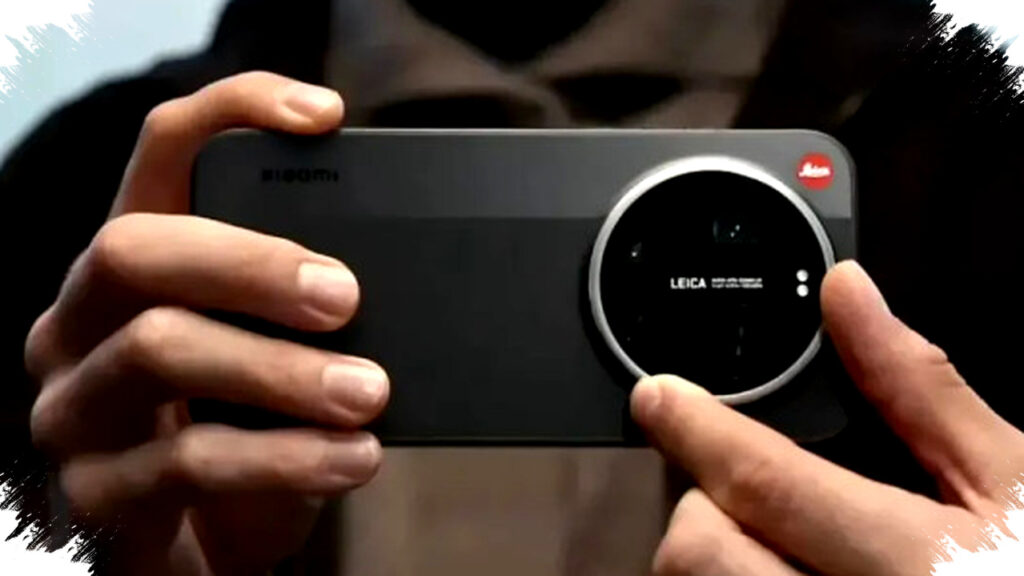
Xiaomi is reportedly preparing one of its boldest flagship moves yet with the Xiaomi 18 Ultra, a phone that may blend high-end imaging hardware with an external lens system and a dedicated pro vlogging mode. The rumor has drawn attention because it suggests Xiaomi is not only chasing benchmark numbers, but also trying to build a device that appeals to mobile creators who want more control over video and photography.
The latest leaks also point to an earlier launch window than usual, with the Xiaomi 18 Ultra possibly debuting in January 2026 instead of Xiaomi’s traditional spring schedule. If that timeline holds, the company could gain an unusually early advantage in the premium smartphone market and set the tone for 2026 flagship competition.
What makes the Xiaomi 18 Ultra different
The biggest talking point is the rumored external lens support. In past years, several brands experimented with add-on camera concepts, but most failed because they were awkward to attach, bulky, or delivered little real improvement in image quality.
That context matters because smartphone cameras are now already very capable. The report around Xiaomi’s upcoming flagship suggests the company is building on a stronger optical base, not trying to fix a weak one. Phones like the Xiaomi 14 Ultra and Vivo X100 Pro already showed how far large sensors can push mobile imaging, and that gives an external lens system a better chance of becoming useful rather than novelty-driven.
If Xiaomi can make the system stable and easy to use, the external lens could become a real creative tool. The concept is less about replacing the built-in camera and more about expanding what the phone can do in demanding shooting situations.
Possible lens types under evaluation
According to the leak, Xiaomi is testing a magnetic lens approach that could improve attachment speed and optical stability. The company is also said to be exploring several lens categories for different shooting styles.
- Extreme wide-angle lens, likely beyond 120 degrees.
- Extra telephoto lens with around 3x to 5x optical zoom.
- Macro lens for very close detail shots.
- Optional filters or artistic effects such as ND, bokeh, or tilt-shift.
This kind of setup would matter most to users who shoot travel clips, product videos, or social media content where flexibility is more important than convenience alone. It would also put Xiaomi in a position to compete with accessory-driven ecosystems that have traditionally been dominated by dedicated camera brands.
Why the timing could matter for creators
The rumored launch date is almost as important as the hardware itself. Xiaomi usually releases Ultra models in the spring, when the flagship cycle is already crowded, but a January 2026 debut would let the Xiaomi 18 Ultra arrive before many direct rivals.
That timing could help Xiaomi capture early-year buyers, especially those with new budgets, work bonuses, or promotional spending after the holiday season. It could also give the company a platform at major tech events like CES and MWC, where attention from media and creators tends to spike.
For the smartphone market, an earlier Ultra launch would be a strategic shift. It could force rivals to rethink their roadmaps if Xiaomi manages to create strong momentum before the usual spring wave of premium Android launches.
The rumored vlogging strategy
Xiaomi’s second major angle appears to be video creation. The leaks suggest the Xiaomi 18 Ultra is being shaped with vloggers in mind, not just photographers or spec-sheet hunters.
That approach would likely include a combination of hardware and software changes designed to make handheld video easier. The phone is rumored to focus on smoother stabilization, more responsive front-camera performance, and a camera app mode tailored to creators who shoot themselves on the move.
Potential vlogging features
- Advanced stabilization using OIS, EIS, and AI motion prediction.
- Larger front camera sensor, possibly around 50MP.
- Fast autofocus and HDR for face-focused walk-and-talk clips.
- Official grip accessory with recording controls and microphone support.
- Dedicated “Vlogger” mode in the camera interface.
These additions would not just help casual users record better videos. They could also lower the entry barrier for creators who want a phone that behaves more like a compact production tool.
The grip accessory sounds especially practical, since many mobile creators prefer physical control over touch-only shooting. A well-designed grip could improve handling, reduce shake, and make the overall recording workflow feel less improvised.
What the hardware leaks suggest
The broader Xiaomi 18 series rumors also point to a clear premium push. The reference material says all models may use large batteries of around 7,000mAh or more, while only the Ultra could receive the overclocked Elite Gen 6 Pro chipset variant with a stronger GPU.
That would fit Xiaomi’s recent focus on endurance and performance. Big battery capacity matters even more if the company wants to appeal to vloggers, since 4K recording, stabilization, and AI processing can drain power quickly.
The leaked lineup also suggests the standard Xiaomi 18 may be the only model without a 2K display. That would reinforce the idea that Xiaomi wants the Ultra to stand apart not just in camera capability, but also in overall premium feel.
Why this matters in the flagship race
The smartphone industry now sells more than speed and megapixels. Brands increasingly compete on identity, and Xiaomi appears to be choosing the creator economy as its next battleground.
That is a smart direction because mobile video has become one of the most important use cases for flagship buyers. Many users no longer want a phone that only takes sharp still photos. They want a device that can handle vertical video, face framing, stabilization, low-light clips, and social content without extra gear.
| Rumored Xiaomi 18 Ultra focus | Potential benefit |
|---|---|
| External magnetic lenses | More shooting flexibility |
| Vlog mode | Easier content creation |
| Front camera upgrades | Better self-recording quality |
| Grip accessory | Improved handheld control |
| Large battery | Longer recording sessions |
If Xiaomi delivers even part of this package, the Xiaomi 18 Ultra could become one of the most creator-focused Android flagships of 2026. It would also signal that the company wants to compete with Apple and Samsung not only on raw performance, but on the way people actually use their phones every day.
How realistic is the external lens idea
The proposal is ambitious, but it is still unconfirmed. Xiaomi has not officially announced the design, the accessory lineup, or the final camera configuration, which means the company may still be testing costs, durability, and market demand.
That caution is important because external-camera experiments have historically struggled. The challenge is not only making the accessory attach securely, but also ensuring the image output is clearly better than what the built-in lens can already do. If the improvement is too small, most buyers will ignore it.
Still, the market has changed since earlier modular-camera attempts. Modern flagship sensors are much larger, and computational photography can work with more serious optics than before. That makes Xiaomi’s idea look more practical today than it would have a few years ago.
For now, the Xiaomi 18 Ultra remains a rumor-heavy flagship with an unusually strong creative angle, but the direction is clear enough to catch attention. Xiaomi seems to be testing whether a smartphone can do more than record content casually, and instead become a serious handheld tool for creators who want flexibility, stability, and better control in one device.