


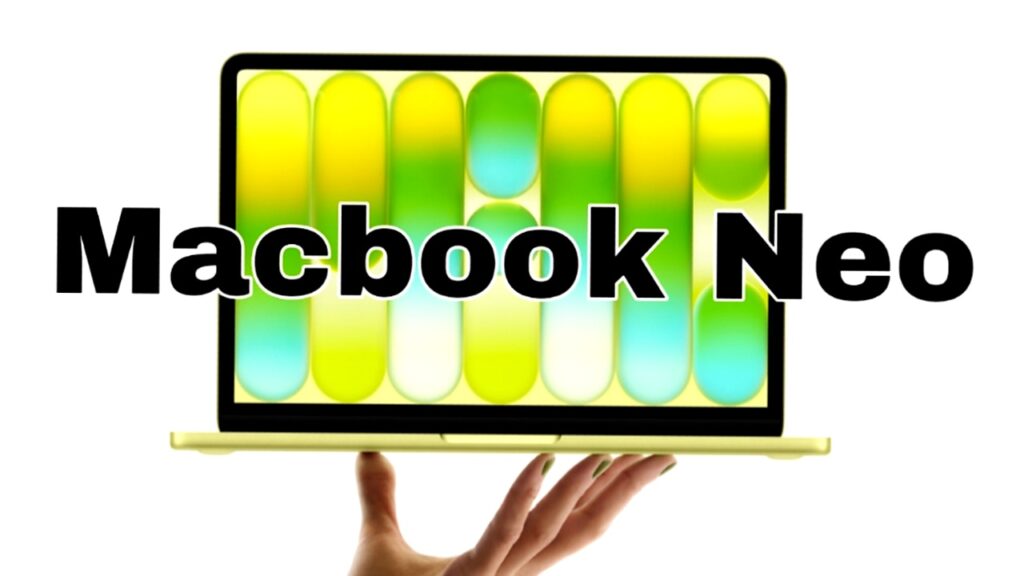
The gap between Windows laptops and Apple’s MacBook line is no longer just about brand loyalty. It comes down to how the two ecosystems are built, how fast they move, and how tightly hardware and software are connected.
Apple has a structural advantage because it controls the chip, the operating system, and the final product design in one integrated system. Windows laptops, by contrast, depend on coordination among Microsoft, chipmakers such as Intel or Qualcomm, and device makers like Dell, HP, or Lenovo, which often makes consistent optimization harder to achieve.
Why Apple keeps the advantage
Apple’s model gives it unusual control over performance tuning. When the company shifts to a new chip process or updates macOS, it can align both hardware and software almost immediately, without waiting for outside partners to catch up.
That approach became even more visible after Apple moved to its own Apple Silicon chips based on ARM architecture. The company gained better control over battery life, heat management, and performance consistency across its laptop lineup.
Industry analysts have long noted that this level of integration is difficult for a platform built around many vendors. A Windows laptop may run well, but the quality depends heavily on how well Microsoft’s software, the chip architecture, and the manufacturer’s hardware work together.
The three-way challenge inside Windows laptops
The Windows ecosystem is built on collaboration, and that is both its strength and its weakness. It gives consumers more choices, but it also creates more room for inconsistency, especially when one partner moves faster than the others.
If Microsoft releases a Windows update before chipset support is fully ready, or if a laptop maker cuts corners to hit a lower price, the user often feels the result in battery life, trackpad performance, screen quality, or thermal stability. Those small issues add up and can make a premium Windows laptop feel less polished than a MacBook.
This problem is not always visible on a spec sheet. In real-world use, a laptop can have a fast processor and still feel less refined because the system is not tuned as a single unit.
Compatibility still holds Windows back on ARM
One of the biggest strategic efforts in recent years has been Microsoft’s push into ARM-based Windows laptops through Qualcomm. The goal is clear: improve efficiency, reduce power use, and compete more directly with Apple Silicon.
But compatibility remains a major obstacle. Many Windows users still rely on x86 software built for Intel and AMD processors, and not every app runs smoothly on ARM devices.
That creates hesitation in the market. Buyers who want long battery life and thin designs may like the idea of ARM laptops, but they often avoid them if they worry about software support, driver issues, or performance gaps with older applications.
A simple comparison helps explain the difference:
| Factor | MacBook | Windows laptop |
|---|---|---|
| Hardware and software control | Unified under Apple | Split across multiple companies |
| Chip optimization | Highly customized | Depends on vendor and model |
| Battery efficiency | Strong and consistent | Varies widely |
| App compatibility on ARM | Managed within Apple’s ecosystem | Still uneven in parts of the market |
| Product consistency | Generally stable across models | More fragmented across brands |
Pricing pressure makes the gap wider
Another reason Windows laptops struggle is cost. To match the build quality of a MacBook, Windows makers often need to spend more on display quality, speakers, touchpads, battery capacity, cooling, and chassis design.
That creates a difficult business trade-off. If they raise prices too much, they move closer to MacBook territory without having Apple’s ecosystem advantage. If they keep prices low, they may need to compromise on materials or component quality.
This tension helps explain why many Windows laptops still feel segmented into clear tiers. Some models are excellent, but they are not always consistent across the entire product line the way Apple products usually are.
Apple’s integration also speeds up decision-making
Apple does not need to negotiate the same way a multi-vendor ecosystem does. If it wants to adopt a new chip process from TSMC, for example, it can design the product around that choice and adjust macOS accordingly.
That speed matters in a market where efficiency and mobility now drive buying decisions. Users want slim laptops, long battery life, quiet operation, and stable performance in one package, not just strong benchmark numbers.
Windows manufacturers can deliver those traits, but rarely at the same level of consistency. Each vendor has different priorities, different cost structures, and different design limits, which makes it harder to create a single dominant standard.
Why Windows still matters, despite the gap
Windows still dominates by volume because it offers variety, enterprise compatibility, and broader price coverage. Many buyers do not need Apple’s premium integration, and they prefer the flexibility that Windows provides.
Yet the premium laptop conversation has shifted. In the high-end segment, users increasingly expect a device to feel complete out of the box, with little need to adjust settings or tolerate trade-offs. That is where Apple’s model remains difficult to beat.
Microsoft has tried to respond through initiatives like Copilot+ PC, which aim to set baseline standards for performance and AI capability. The idea is to make Windows laptops more unified and more predictable, especially in the premium category.
What would need to change for Windows to close the gap
- Microsoft and chipmakers would need tighter long-term coordination.
- Laptop brands would need to stop competing only on price and start prioritizing consistency.
- ARM software support would need to become much stronger across major apps.
- Battery, thermal, and trackpad standards would need to improve across more models.
- The ecosystem would need a clearer product identity, especially in the premium segment.
The challenge is not that Windows laptops cannot be good. The challenge is that the ecosystem makes great results harder to deliver reliably across many brands and price levels.
That is why MacBook Neo continues to stand out: Apple can align every part of the experience, while Windows laptops must keep balancing the interests of multiple companies that do not always move at the same speed.