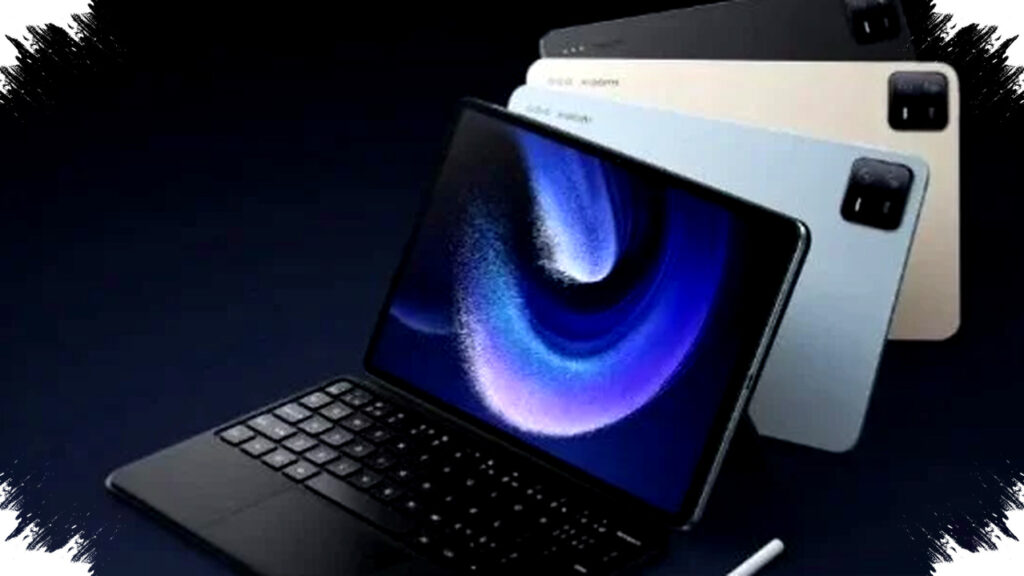
6 Xiaomi Tablets in 2026 That Stand Out for Gaming Without Overheating
Xiaomi’s tablet lineup has become one of the most practical options for users who want strong gaming performance without paying flagship laptop money. In March 2026, interest is rising because these tablets combine fast chipsets, large displays, and cooling systems that help keep temperatures under control during long play sessions.
That matters for mobile gamers, students, and hybrid workers who want one device for entertainment and productivity. Based on Xiaomi Indonesia and global product data, many of the latest models use Snapdragon 7 to Snapdragon 8 series chipsets, plus vapor chamber cooling and AI-based performance tuning to reduce heat under load.
Why cooling now matters more than raw speed
Modern Android games push tablets harder than most people expect, especially titles like PUBG Mobile and Genshin Impact. A tablet can have a strong processor, but if heat builds too fast, the system may lower performance to protect the device.
This is where Xiaomi’s newer tablets have an edge. The brand has focused on thermal design, high-refresh-rate screens, and software optimization, which makes gaming feel smoother for longer sessions.
What to look for in a gaming tablet from Xiaomi
A good gaming tablet should not only be fast, but also stable under sustained use. In practice, that means a capable chipset, a display with at least 120Hz refresh rate, enough RAM, and a cooling system that keeps frame rates from dropping too quickly.
Battery size also matters because heat and power drain often rise together. Xiaomi’s stronger tablets in 2026 usually pair large batteries with efficient chipsets, giving users more room for extended gaming, streaming, and multitasking.
The 6 best Xiaomi tablets for anti-overheat gaming in 2026
| Model | Chipset | Display | Strength |
|---|---|---|---|
| Xiaomi Pad 6S Pro 12.4 | Snapdragon 8 Gen 2 | 12.4-inch, 144Hz | Flagship gaming and large-screen performance |
| Xiaomi Pad 6 | Snapdragon 870 | 11-inch, 144Hz | Best balance of power and value |
| Redmi Pad Pro | Snapdragon 7s Gen 2 | 12.1-inch, 120Hz | Big screen at a lower price |
| Redmi Pad SE | Snapdragon 680 | 11-inch, 90Hz | Budget-friendly daily use |
| Xiaomi Pad 5 | Snapdragon 860 | 11-inch, 120Hz | Older but still strong for gaming |
| Redmi Pad | Helio G99 | 10.6-inch, 90Hz | Entry-level option for lighter gaming |
1. Xiaomi Pad 6S Pro 12.4
The Xiaomi Pad 6S Pro 12.4 is the most powerful option in this group. It uses the Snapdragon 8 Gen 2, a flagship chip that handles demanding games with ease and remains more efficient than older high-end processors.
Its 12.4-inch 144Hz display gives players a wide viewing area and very smooth motion. Xiaomi also pairs this model with a 10,000 mAh battery, which is useful for long gaming sessions and heavy multitasking.
2. Xiaomi Pad 6
The Xiaomi Pad 6 remains one of the smartest choices for users who want strong gaming performance without going too high in price. It runs on the Snapdragon 870, a proven chip that still performs well in popular games and is known for balanced thermal behavior.
Its 11-inch 144Hz screen makes gameplay feel responsive and fluid. For many users, this tablet hits the best price-to-performance point in Xiaomi’s 2026 lineup.
3. Redmi Pad Pro
Redmi Pad Pro is a strong midrange tablet for users who want a large display and modern hardware. It uses the Snapdragon 7s Gen 2, which is not a flagship chip, but it is efficient enough for casual gaming and everyday use.
The 12.1-inch 120Hz screen gives it a premium feel at a lower cost. This model is especially attractive for people who value content consumption, note-taking, and light gaming in one device.
4. Redmi Pad SE
Redmi Pad SE is built for buyers who want a cheaper Xiaomi tablet with good battery life and a decent screen. It uses the Snapdragon 680, which is more suited to light gaming, streaming, browsing, and school tasks than to heavy 3D titles.
Its 11-inch 90Hz panel still feels smoother than standard 60Hz tablets. For users with modest expectations, it offers a practical balance between price and usability.
5. Xiaomi Pad 5
Even though it is not the newest model, the Xiaomi Pad 5 still holds relevance in 2026. The Snapdragon 860 remains capable for many mainstream games, and the 11-inch 120Hz screen keeps the experience responsive.
This model is a good choice for users who want solid gaming output at a more affordable price than newer flagship tablets. Its main limitation is that it belongs to an older generation, so buyers should weigh availability and condition carefully.
6. Redmi Pad
The Redmi Pad is the most affordable option in this list for users who only need entry-level gaming and everyday media use. It runs on the Helio G99, which handles lighter titles well but is not designed for sustained high-end gaming.
Its 10.6-inch 90Hz display and budget pricing make it a good starter tablet. This is the device for users who want Xiaomi quality without paying for performance they may never use.
How Xiaomi reduces overheating during gaming
Xiaomi’s 2026 tablet strategy is not only about faster chips. According to the brand’s current product direction, many models now use vapor chamber-based cooling and AI performance tuning to manage temperature more intelligently during heavy use.
That helps the device stay stable when a game runs for a long time. It also reduces the chance of sudden frame drops, which is often what users notice first when a tablet starts to heat up.
Best choice by user type
- For serious gaming: Xiaomi Pad 6S Pro 12.4.
- For best value: Xiaomi Pad 6.
- For big-screen media and light gaming: Redmi Pad Pro.
- For tight budgets: Redmi Pad SE or Redmi Pad.
- For a strong older flagship feel: Xiaomi Pad 5.
Why these tablets remain relevant in 2026
Xiaomi has built a tablet lineup that covers nearly every price point while still focusing on performance stability. That is important because many buyers no longer want separate devices for gaming, study, and work.
The models above offer different levels of power, but they all reflect the same trend in 2026: better cooling, smoother displays, and chipsets that can hold performance more consistently during long sessions.