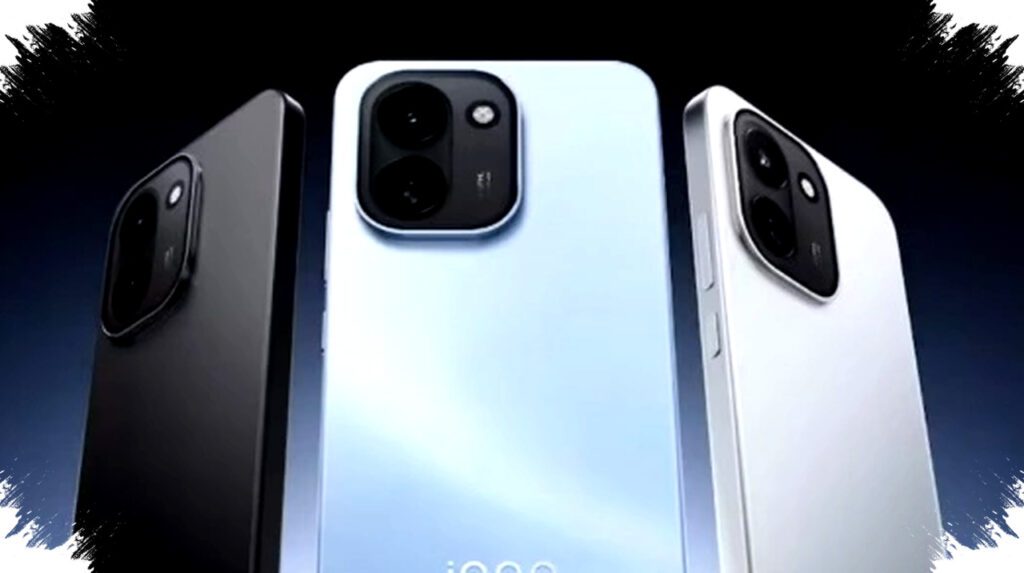
The iQOO Z11 series is shaping up to be one of the most aggressive performance-focused smartphone lineups in its class. Based on the reference material, the new phones aim to challenge the idea that only premium flagships can deliver top-tier speed, long battery life, and a smooth visual experience.
What makes the iQOO Z11 stand out is not just raw power, but how that power is positioned. The company appears to be targeting users who want near-flagship performance at a more accessible level, with benchmark claims that have already drawn attention in the competitive Android market.
Dimensity Performance That Targets the Top Tier
At the center of the iQOO Z11 story is MediaTek’s latest Dimensity chipset, described in the source as a 2026-generation platform. That positioning matters because the phone is built to handle demanding tasks, from heavy multitasking to competitive gaming, without the thermal and battery compromises that often hold back high-performance devices.
The iQOO Z11 Turbo, in particular, has made headlines for benchmark results that allegedly outperform the iPhone 16. If verified in real-world use, that would place the device in rare territory, especially for a phone that is not part of the traditional premium flagship segment.
- Latest-generation MediaTek Dimensity chipset
- Built for intense multitasking and gaming
- Benchmark claims that surpass the iPhone 16
- Positioned as a flagship-killer device
Those benchmark claims are important in marketing, but they also reflect a broader shift in the smartphone industry. Performance gaps between mid-to-upper-tier Android phones and expensive flagships are shrinking fast, and iQOO is clearly trying to capitalize on that trend.
A Display Built for Speed and Clarity
Performance hardware only matters if the screen can keep up, and iQOO seems to understand that well. The Z11 series uses an OLED panel, which should deliver deep contrast, rich colors, and better perceived sharpness than lower-end display technologies.
The reference also notes adaptive high refresh rate support, a feature that has become essential for gamers and users who value smooth motion. Scrolling through apps, switching screens, or playing fast-paced titles should feel more fluid, and that helps the phone compete not only on power but also on experience.
That combination matters because the mobile experience is now defined by consistency. A fast chipset can feel underwhelming if the display lags behind, but a matching OLED and high-refresh setup can make the device feel much more expensive than it actually is.
Battery Capacity That Matches the Performance Ambition
A phone that pushes high frame rates and heavy workloads needs a battery that can sustain them. The iQOO Z11 series addresses that with what the source describes as a “jumbo” battery, reportedly starting from 6,000mAh and above.
That size suggests a clear focus on endurance. Users who game for long periods, stream video, or rely on their phone throughout the day will likely care as much about battery life as they do about benchmark numbers.
Fast charging is another critical part of the package. According to the reference, the phone can charge from 0% to 80% quickly, which reduces downtime and makes the device more practical for people who do not want to stay tied to a charger.
Key Hardware Details in the iQOO Z11 Turbo
| Feature | Reported Specification |
|---|---|
| Chipset | Latest MediaTek Dimensity series, 2026 generation |
| Display | OLED with adaptive high refresh rate and HDR10+ |
| Battery | 6,000mAh+ capacity |
| Connectivity | 5G, Wi‑Fi 7 ready, NFC |
| Benchmark claim | Higher than iPhone 16 series performance |
The table above reflects the specifications highlighted in the source material. While some details still sound like early-market positioning or promotional estimates, they provide a clear picture of what iQOO is attempting to deliver.
Why the Benchmark Claim Matters
The claim that the iQOO Z11 Turbo can beat the iPhone 16 in AnTuTu has obvious attention value. Benchmark scores do not always tell the full story, but they remain one of the most visible ways for manufacturers to signal dominance in raw processing power.
In practice, users care about more than a single number. Real performance also depends on software optimization, thermals, sustained gaming output, memory management, and battery efficiency under load.
Still, the headline benchmark claim is powerful because it changes perception. For years, Android brands have chased Apple in speed tests, but phones like the iQOO Z11 help shift the narrative toward parity, or even temporary superiority, in synthetic performance rankings.
iQOO’s Market Strategy Is Clear
The iQOO Z11 series seems designed to win attention first and loyalty second. By leading with benchmark headlines, the brand appeals directly to performance enthusiasts who want visible proof that their device can handle serious workloads.
This strategy is especially effective in the current smartphone market, where many buyers no longer upgrade for basic features alone. They want a device that feels fast, lasts long, and offers premium traits without the premium price tag associated with top global flagships.
The “flagship killer” label is not new, but iQOO is using it in a more data-driven way. Instead of relying only on marketing language, the company is anchoring its message around measurable performance claims, battery capacity, and display quality.
What Buyers Are Likely Looking For
For readers tracking the iQOO Z11 series, the most relevant questions are practical ones. How long does the battery last under real gaming pressure? Can the Dimensity chipset maintain peak speeds without throttling? Does the OLED panel remain bright and responsive outdoors?
Those questions matter because they determine whether the phone is truly a flagship alternative or simply a short-term benchmark star. In this segment, consistency often matters more than peak numbers, and users will quickly notice if the device cannot sustain the experience it promises.
The presence of 5G support, NFC, and Wi‑Fi 7 readiness also broadens the phone’s appeal. These features make the Z11 series feel more future-proof, especially for buyers who want a phone that can stay relevant for years rather than months.
Why the iQOO Z11 Series Stands Out in 2026
The iQOO Z11 and Z11 Turbo arrive with a message that is easy to understand: power no longer belongs only to ultra-expensive phones. With a modern Dimensity platform, a high-end OLED display, a large battery, and fast charging, the series tries to combine speed and practicality in one package.
If iQOO’s benchmark claims hold up in independent testing, the Z11 Turbo could become one of the most talked-about Android phones in its category. For now, the device is already doing something important in the market: forcing buyers to reconsider how much performance they really need to pay for.