


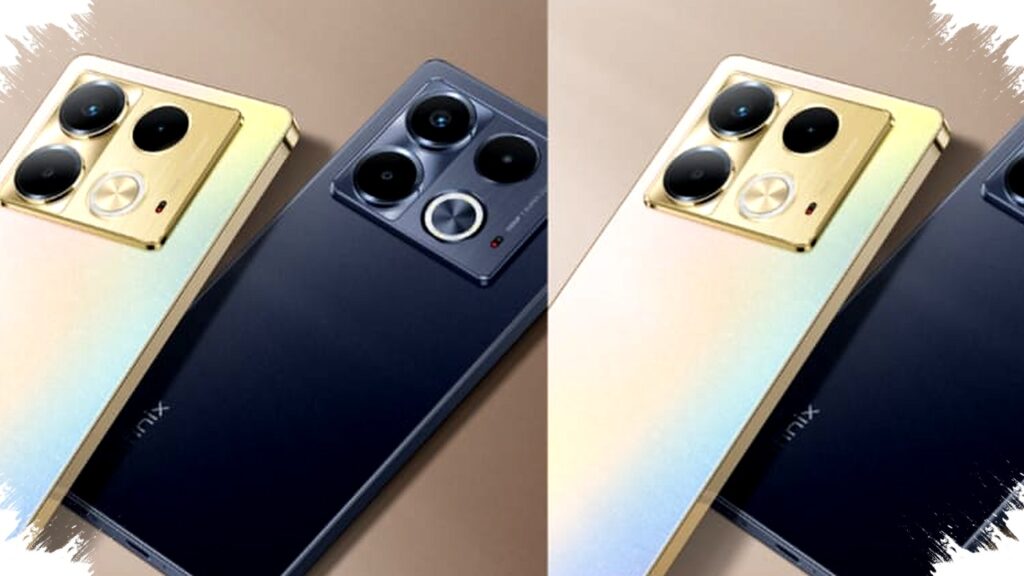
Affordable gaming phones are getting dramatically better, and the latest examples from the $120 to $150 range show how much performance has improved. In this segment, some devices can now score more than 400,000 on AnTuTu, a level that was once associated with far more expensive mid-range models.
That shift matters because it changes what buyers can expect from a budget phone. With the right chipset, AMOLED display, and large battery, a phone in this class can now handle popular games like Mobile Legends, PUBG Mobile, and even Genshin Impact with far more confidence than before.
Why the $2 Million Rupiah Class Is No Longer Just “Basic”
The strongest change in this category comes from the chipset choices manufacturers are making. Several brands now use efficient but capable processors such as the MediaTek Helio G99 family and its tuned variants, which are designed to balance power and battery life.
In real-world use, that balance is important because gaming phones do not only need raw speed. They also need stable frame rates, low heat, and enough power efficiency to last through long gaming sessions without draining the battery too quickly.
AnTuTu remains one of the most widely cited benchmarks for judging overall smartphone performance. For phones in this price band, a score above 400,000 is already highly competitive, because it usually signals enough headroom for polished gameplay and smooth multitasking.
What 400,000+ AnTuTu Means for Gamers
A score in that range does not guarantee perfect performance in every title, but it does point to a device that can handle mainstream gaming well. For many users, that means medium to high graphics settings in demanding games and stable performance in lighter competitive titles.
Here is what a 400,000+ AnTuTu score generally translates to for budget gaming phones:
- Faster app loading and switching.
- Better stability during longer gameplay sessions.
- More room for multitasking while gaming.
- Smoother system navigation and scrolling.
- Improved chances of running games at higher settings.
This is why budget phones are no longer only for basic communication and social media. They now serve students, casual gamers, and users who want a versatile device without spending for a premium model.
Display Quality Now Plays a Bigger Role
Performance alone does not define the gaming experience anymore. Many phones in this price range now use AMOLED panels, which provide stronger contrast, deeper blacks, and more vivid colors than typical IPS displays.
That matters in games because visual clarity can improve immersion and make fast movement easier to track. Some models also include 120Hz refresh rates, which help keep animations and scrolling smoother, especially in games where fast reactions matter.
A Full HD+ resolution and a larger screen size also add to the experience. Together, they make the phone more comfortable for both gaming and everyday use, including video streaming and general browsing.
Recommended Models in the $120 to $150 Segment
Several models stand out in this budget class, especially for users looking for a gaming-friendly balance of speed, display quality, and battery life. The following options are based on the reference data and current market positioning.
| Model | Chipset | AnTuTu Score | Key Strengths | Approx. Price |
|---|---|---|---|---|
| Infinix Note 40 | Helio G99 Ultimate | 460,000 | AMOLED 120Hz, 108MP camera, 45W charging | $120–$137 |
| POCO M6 Pro | Helio G99 Ultra | Around 400,000+ | AMOLED 120Hz, strong RAM options | $132–$151 |
| TECNO Pova series | Varies by model | Around 400,000 | Large battery, stable gaming focus | From about $120 |
| Other Infinix Note series models | Varies | Competitive | AMOLED, high refresh rate, gaming-friendly design | Around $120 |
The Infinix Note 40 is one of the most attractive examples in this class. With a Helio G99 Ultimate chipset and an AnTuTu score around 460,000, it offers performance that is unusually strong for its price.
The phone also combines a 6.78-inch AMOLED display with a 120Hz refresh rate, which helps make gameplay feel smoother and more responsive. Add 108MP main camera hardware and 45W fast charging, and the device becomes more than just a gaming phone.
Why Battery Life Still Matters More Than Many Buyers Think
A powerful chipset and fast display are only useful if the battery can support them. That is why many budget gaming phones now ship with 5,000 mAh batteries, a capacity that can comfortably last a full day under normal use.
Fast charging has also become part of the package. In this category, 33W to 45W charging is common enough to reduce downtime, which is useful for users who play often and need quick top-ups between sessions.
Battery efficiency is especially important for gaming because the phone is under heavier load for longer periods. If a device uses power poorly, even a strong benchmark score will not translate into a satisfying experience in daily use.
What Makes These Phones Competitive Against Older Mid-Range Devices
The surprising part of today’s budget gaming phones is that some of them can match or approach older mid-range handsets in performance. That is happening because newer budget chips are increasingly optimized for efficiency and sustained workloads.
In practical terms, that makes many $2 million Rupiah phones good enough for users who want solid gaming without paying for flagship hardware. They are also easier to recommend than before because they now pair performance with modern features such as stereo speakers, cooling systems, and ergonomic designs.
For buyers, that means the value equation has changed. Instead of sacrificing too much in display quality or battery life, they can now get a more complete package at a manageable price.
What Buyers Should Check Before Choosing One
Not every phone with a strong benchmark is automatically the best choice for gaming. Users should still look at thermal control, software optimization, and memory configuration before deciding.
A simple buying checklist can help narrow the options:
- Choose a chipset with proven gaming stability, such as the Helio G99 family.
- Prefer at least 8GB RAM, ideally with virtual RAM support.
- Look for AMOLED and 120Hz if smooth visuals matter.
- Check battery size and fast-charging support.
- Review cooling features if you play for long periods.
These details matter because a phone’s gaming experience depends on more than one specification. A balanced setup usually performs better than a model that excels in one area but falls behind in another.
The latest wave of $120 to $150 gaming phones proves that strong mobile performance is no longer limited to premium devices. With AnTuTu scores that can pass 400,000, AMOLED displays, fast charging, and batteries built for all-day use, this segment has become one of the most interesting places to shop for gamers who want value without giving up too much speed.