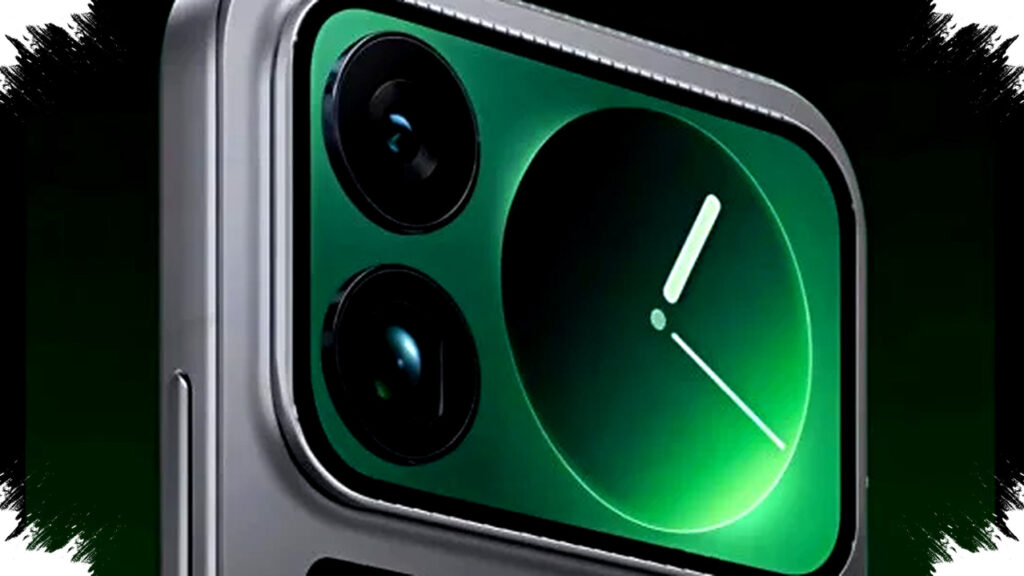
Xiaomi 18 Pro Max has emerged in a new leak as one of the most ambitious camera phones expected for 2026. The headline feature is simple but striking: dual 200MP cameras, backed by a new LOFIC HDR 3.0 system and a large 1/1.28-inch main sensor.
The report comes from well-known tipster Digital Chat Station, whose smartphone leaks often shape early expectations for top-tier Android devices. If the details hold up, Xiaomi may be preparing a flagship that targets not only Samsung’s Galaxy S26 Ultra and Apple’s iPhone 17 Pro Max, but also the upper limit of what mobile photography can do.
A flagship built around imaging
The leaked camera setup suggests Xiaomi is not treating the Pro Max as a minor refresh. Instead, the company appears to be using this model to make a clear statement in the premium market, where camera quality now matters as much as raw performance.
The most attention-grabbing part is the 200MP main sensor. It is said to use a 1/1.28-inch optical size, which would place it among the largest sensors in mainstream smartphones if confirmed.
A larger sensor often helps capture more light and preserve detail. That can matter in low-light scenes, fast-moving subjects, and high-contrast environments where smaller sensors struggle.
Why the 22nm sensor matters
The leak also points to a 22nm fabrication process for the sensor. That detail may sound technical, but it carries practical meaning for users who care about battery life and heat control.
A chip or sensor built on a smaller process can usually operate more efficiently than older 40nm or 65nm designs. In this case, the benefit would likely be lower power draw and better thermal stability during heavy shooting sessions.
That could help Xiaomi 18 Pro Max stay cooler while recording 8K video or taking long bursts of high-resolution photos. It also reduces the chance of performance limits kicking in when the phone is pushed hard.
LOFIC HDR 3.0 could change how the phone handles light
The other major piece of the leak is LOFIC, short for Lateral Overflow Integration Capacitor. Xiaomi is reportedly pairing it with HDR 3.0, which suggests a stronger focus on dynamic range than on resolution alone.
LOFIC works by adding extra capacity beside each photodiode so excess light can be stored before it causes saturation. In simple terms, it helps the sensor keep bright areas from blowing out while protecting detail in darker parts of the frame.
That matters in real-world scenes such as sunsets, backlit portraits, and indoor shots with bright windows. Traditional HDR can sometimes look unnatural, but the goal here is more balanced exposure and smoother light transitions.
What LOFIC could improve in practice
Better highlight control in bright daylight.
More detail in shadows without heavy processing.
Less of the artificial HDR look that some phones still produce.
- More natural contrast in tricky lighting conditions.
If Xiaomi’s implementation is strong, the phone could become especially appealing to users who shoot travel, portraits, and video in mixed lighting.
A second 200MP lens would be a first for smartphones
The leak becomes even more unusual when it describes the telephoto system. According to the report, Xiaomi may use another 200MP sensor for zoom photography, which would create one of the most extreme camera setups ever seen on a phone.
That would potentially make Xiaomi 18 Pro Max the first smartphone with dual 200MP cameras. It would also push the device into a rare category where zoom photography is not an afterthought, but one of the main selling points.
The telephoto lens is said to support close-focus macro shooting, a wider aperture, and dual stabilization through OIS and EIS. That combination could let users switch between long-range shots and near-macro images without relying on separate lenses.
Possible camera benefits at a glance
| Feature | Reported benefit |
|---|---|
| 200MP main sensor | High detail and better light capture |
| 1/1.28-inch size | Stronger low-light performance |
| 22nm process | Lower heat and better efficiency |
| LOFIC HDR 3.0 | Wider dynamic range and more natural exposure |
| 200MP telephoto | More detail in zoom and hybrid crop shots |
A telephoto sensor this large could help Xiaomi reduce the usual compromises seen in zoom cameras. Many phones lose detail once digital crop or long-range zoom takes over, but a 200MP sensor may give the software more room to work with.
Design may bring back a secondary rear display
The leaked hardware does not stop at the cameras. Xiaomi 18 Pro Max is also rumored to include a rear secondary screen, a feature Xiaomi has used before on models like the Mi 11 Ultra.
That small display could serve several practical purposes. It could show notifications, assist with selfies using the main camera, or act as a preview screen for vlogs and casual video recording.
Rear displays are not essential for everyone, but they help separate a flagship from the rest of the market. They also fit Xiaomi’s pattern of combining experimental design with aggressive camera hardware.
Battery size suggests a focus on endurance
Another point in the leak is a large 7,500mAh battery. That figure stands out because dual high-resolution sensors, a flagship chipset, and a bright display can all demand serious power.
A battery this large would help Xiaomi support long camera sessions, extended video recording, and heavy daily use. It also suggests that the company may be prioritizing sustained performance instead of chasing a slimmer body at all costs.
That approach makes sense if Xiaomi wants the Pro Max to appeal to photography enthusiasts and power users. Those buyers usually care more about battery endurance than ultrathin design.
Snapdragon 8 Elite Gen 6 is expected to power the line
The report also links the Xiaomi 18 series to Qualcomm’s Snapdragon 8 Elite Gen 6. If that happens, Xiaomi would have a platform capable of handling advanced AI processing, multi-camera workflows, and the large data loads created by 200MP imaging.
The new chip is expected to improve power efficiency and boost AI performance. That could help with scene recognition, noise reduction, autofocus tracking, and computational photography tasks that increasingly define flagship camera phones.
Industry trends also support this direction. Resolution still matters, but image processing, dynamic range, and AI-assisted detail recovery now shape the final result more than raw megapixel counts alone.
Why this leak matters for the flagship race
Xiaomi has spent years building its premium identity around camera innovation. From its collaboration-heavy imaging strategy to bold hardware choices, the company has often used photography to stand out in a crowded Android market.
If the Xiaomi 18 Pro Max arrives with dual 200MP sensors and LOFIC HDR 3.0, it could pressure competitors to respond with stronger zoom systems, better HDR, and more advanced sensor tuning. That would be especially relevant in a segment where Apple, Samsung, Huawei, and Vivo all fight for high-end attention.
The challenge will be execution. Large sensors can create bulky camera bumps, 200MP files can consume storage quickly, and thermal management becomes harder as hardware grows more complex.
Even so, the idea of a phone with two 200MP cameras, a rear screen, a 7,500mAh battery, and a flagship Qualcomm chip is enough to make Xiaomi 18 Pro Max one of the most watched unreleased devices in the market right now.
If the leak proves accurate, Xiaomi may not just be preparing another premium phone. It may be building a new reference point for mobile imaging, where zoom, HDR, and sensor size matter as much as speed and design.