


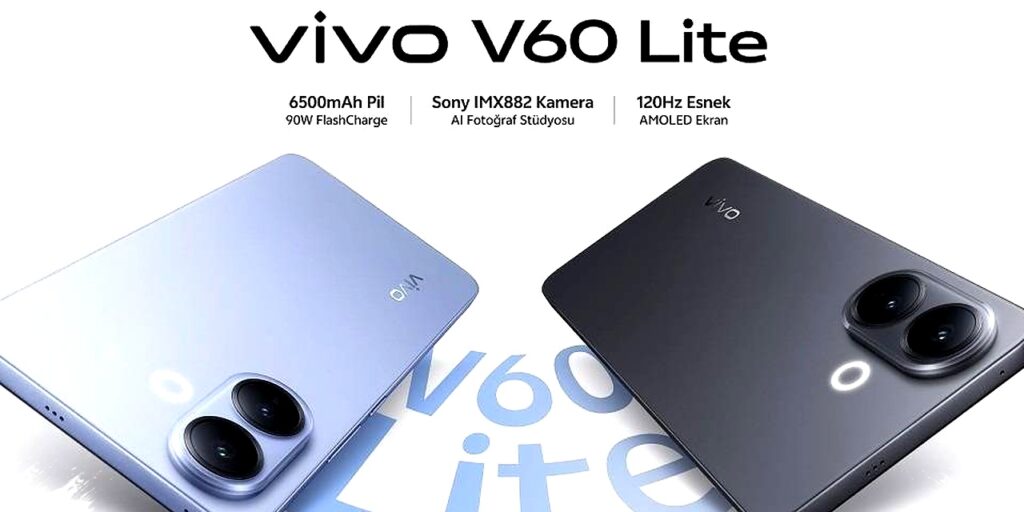
Vivo V60 5G 2026 is emerging as one of the more interesting mid-premium smartphones to watch this year. The device combines an AMOLED display, an AI Beauty camera system, and 5G performance in a package that targets users who want style, speed, and dependable daily use.
The phone stands out because Vivo appears to focus on practical upgrades instead of a single headline feature. It brings a thin and lightweight body, a large battery, fast charging, and the latest Android software, which makes it relevant for shoppers who want a balanced smartphone rather than a spec-heavy device with compromises.
A slim body built for comfortable daily use
Vivo positions the V60 5G 2026 as a phone with a premium feel. The body is described as thin and light, which should make it easier to hold for long periods and more convenient to carry in a pocket or small bag.
That design direction fits the current market trend, where many users now expect a sleek phone that still offers strong battery life and a large display. For buyers in the middle segment, the combination of portability and a polished finish often matters as much as raw performance.
AMOLED display aims for sharper visuals
The screen is one of the key selling points. Vivo V60 5G 2026 uses a 6.7-inch Full HD+ AMOLED panel with a 120Hz refresh rate and HDR10+ support, according to the reference material.
This combination usually delivers deep contrast, vivid colors, and fluid scrolling, which benefits social media use, video streaming, and gaming. On a mobile-first phone, those qualities tend to improve everyday comfort more than cosmetic design changes.
For users who consume a lot of content, the AMOLED panel also helps create a more immersive experience. Bright highlights, darker blacks, and smoother motion often make the difference between a standard display and one that feels genuinely premium.
Performance centers on Snapdragon and 5G
Under the hood, Vivo V60 5G 2026 is said to use a newer Qualcomm Snapdragon chipset with 5G support. That matters because the V-series typically attracts users who want capable performance without moving into flagship pricing.
The phone also includes up to 12GB of RAM with virtual RAM expansion, plus 256GB of internal storage. In practical use, that setup should help with switching between apps, editing photos, and keeping game performance stable under heavier multitasking loads.
Here is a simple overview of the main hardware points mentioned in the source:
- Qualcomm Snapdragon-series chipset with 5G support
- Up to 12GB RAM with memory expansion
- 256GB internal storage
- Android 16 with Funtouch OS
- Multi-Turbo 6.0 and Ultra Game Mode for gaming
The inclusion of game-focused optimization software suggests Vivo wants the device to appeal not only to casual users, but also to people who play mobile games regularly. That kind of software support often adds value, especially when hardware is paired with decent thermal and performance management.
Camera setup focuses on AI Beauty and versatility
The camera story is where Vivo tries to build a stronger identity. The V60 5G 2026 reportedly carries a dual rear camera setup led by a 64MP main camera with OIS, alongside a 12MP ultra-wide camera.
The front camera is listed at 32MP and includes AI Beauty processing. That feature is aimed at producing selfies that look more refined while still keeping facial details natural enough for social sharing and content creation.
Vivo also includes Night Mode, Portrait Mode, and 4K video recording. Those features matter because many buyers in this segment want a phone that can handle more than casual snapshots and can support short-form video, livestreams, and everyday content production.
In current smartphone marketing, “AI Beauty” often means more than simple skin smoothing. It usually reflects scene recognition, facial optimization, and lighting adjustment that try to improve the final photo while keeping the result consistent across different conditions.
Battery and charging are built for heavy use
The device is expected to carry a 5000mAh battery, which remains a practical capacity for a modern 5G smartphone. Vivo pairs that battery with 80W fast charging, and the reference claims the phone can reach full charge in less than an hour.
That combination matters because battery anxiety remains one of the main concerns for smartphone users. A 5000mAh cell can support a full day of mixed use, while 80W charging reduces downtime for people who travel, work long hours, or use their phone for streaming and photography.
The phone also supports reverse charging, turning it into a backup power source for other devices. That detail may seem small, but it adds real utility for users who carry wireless earphones, a second phone, or accessories that need an emergency top-up.
Software and security keep the experience current
Vivo V60 5G 2026 runs Android 16 with the latest Funtouch OS interface, based on the reference data. This is important because software remains one of the most visible signs of long-term device relevance, especially for buyers who keep a phone for several years.
The phone also includes in-display fingerprint recognition and face unlock. These options give users two fast ways to access the device while keeping personal data more secure than older password-only methods.
For users who value convenience, the presence of both biometric options improves the daily experience. It also shows that Vivo is trying to match contemporary expectations in the mid-premium category, where software polish can influence buying decisions as much as camera hardware.
Why the V60 5G 2026 matters in the market
The Vivo V60 5G 2026 is positioned in a crowded segment, but its feature mix is competitive. It combines a bright AMOLED screen, a large battery, fast charging, a capable Snapdragon platform, and a camera set designed for social media use and selfie quality.
That formula is important because mid-range buyers now expect a near-flagship feel without paying flagship prices. Vivo seems to be targeting people who want a phone that looks premium, performs well in daily use, and handles photos and video with minimal effort.
Industry tracking also shows that camera tuning and display quality often influence purchase decisions more than raw benchmark numbers. In that context, the V60 5G 2026’s AI Beauty camera and 120Hz AMOLED panel may be its strongest tools for standing out.
The reference material places the estimated price at Rp 6 million to Rp 7 million, which is roughly $375 to $440 USD depending on exchange rate changes. That range would put the phone directly in a competitive space where buyers compare it not only with other Vivo models, but also with rival brands offering similar display and camera specifications.
If Vivo delivers the final retail package close to these specifications, the V60 5G 2026 could become a practical choice for users who prioritize display quality, selfie performance, long battery life, and enough power for gaming and multitasking in one device.