The demand for affordable productivity devices keeps rising in 2026, especially among students, remote workers, and mobile professionals. Many users now want a tablet that feels closer to a laptop, but still stays within a budget of around $125 to $140.
That need has pushed tablet makers to improve performance, battery life, and accessory support in lower-price segments. In this range, several models now handle typing, note-taking, browsing, video calls, and light multitasking without feeling too limiting.
Why “laptop-like” tablets matter in 2026
A tablet in this class is no longer just a streaming device. It now serves as a compact work tool for people who need flexibility across classes, meetings, and travel.
The biggest appeal comes from portability. A tablet is usually lighter than a laptop, boots faster, and works better for quick tasks on the move.
For many buyers, the decision comes down to whether the device can support a keyboard case, stylus input, and stable multitasking. Those three elements matter more than raw specs for everyday productivity.
What to look for in a budget productivity tablet
A good budget tablet should balance screen size, battery endurance, and software stability. It should also run multiple apps smoothly enough for note-taking, documents, and messaging at the same time.
Here are the main things that matter most:
- A large display for split-screen use and comfortable reading
- Enough performance for web browsing, office apps, and video meetings
- Strong battery life for long school or work sessions
- Accessory support for keyboards and styluses
- A body that stays light enough for daily travel
Tablets in this price band will not replace a high-end laptop for heavy editing or advanced design work. But they can handle a realistic productivity workload better than many people expect.
1. Redmi Pad SE
Redmi Pad SE stands out as one of the most practical choices for users who want a wide screen and stable daily performance. The reference article notes that its large display makes multitasking more comfortable, especially for typing and browsing.
That kind of setup works well for students who spend much of their time in documents, learning platforms, and browser tabs. Its battery capacity is also a major advantage because it reduces the need for frequent charging during the day.
For buyers who want a simple productivity tablet without paying for premium extras, Redmi Pad SE remains a safe entry point. It offers a balanced experience for reading, online classes, and light office work.
2. Samsung Galaxy Tab A9
Samsung Galaxy Tab A9 is a strong option for users who prefer a reliable brand with a stable interface. The source material describes it as comfortable for light work and entertainment, which makes it suitable for mixed-use users.
Its display quality also helps when reading long articles, watching lectures, or checking spreadsheets. That makes it a good pick for people who want one device for both work and relaxation.
Samsung’s software ecosystem is another practical advantage. Users who already own Samsung phones or earbuds may find the overall experience more seamless and easier to manage.
3. Infinix XPad
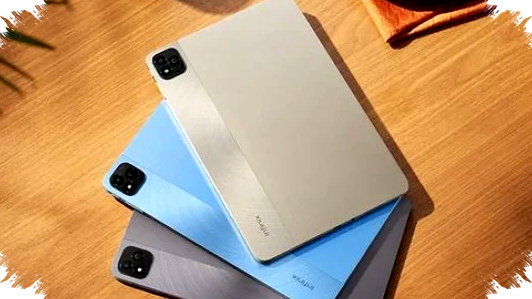
Infinix XPad is the most performance-focused name in this group based on the reference data. The article says it can run several apps at once with fairly smooth results, which is important for multitasking users.
That makes it attractive for people who jump between chat apps, browsers, notes, and cloud documents all day. Its lightweight design is also useful for commuting students and workers who carry their device often.
This tablet is best for users who want a bit more speed than typical budget models. If multitasking matters more than premium branding, Infinix XPad becomes a serious contender.
4. Lenovo Tab M10 Gen 3
Lenovo Tab M10 Gen 3 focuses on stability and everyday usefulness. The source says it performs well for online learning and light work, which positions it as a dependable mainstream option.
It may not be the fastest tablet in the group, but steadiness often matters more than peak power in this category. For note-taking, web browsing, and occasional video calls, that stability is enough.
Its competitive pricing is also part of the appeal. Buyers who want a simple, affordable tablet for school or basic work may find it easier to justify than more feature-heavy alternatives.
Quick comparison of the best choices
| Model | Best for | Main strength |
|---|---|---|
| Redmi Pad SE | Students and light office users | Large screen and battery life |
| Samsung Galaxy Tab A9 | Mixed work and entertainment | Stable, comfortable daily use |
| Infinix XPad | Multitasking and speed | Better app handling in its class |
| Lenovo Tab M10 Gen 3 | Online learning and basic work | Reliable performance and value |
This table shows that the best choice depends on how the tablet will be used every day. No single model dominates every category, but each one serves a different type of user well.
Can a $125 tablet really feel like a laptop?
In practical terms, yes, but only for specific tasks. A budget tablet with keyboard support can feel laptop-like for writing, emailing, browsing, presenting, and managing schoolwork.
The experience becomes much better when paired with a Bluetooth keyboard and a stand or folio case. With those accessories, users can type faster and keep the screen angled more comfortably for long sessions.
Stylus support adds another layer of productivity. It helps with handwritten notes, quick marking, and productivity apps that depend on touch input.
Who should buy this category in 2026
This type of tablet is most useful for students who need a device for class notes and online assignments. It also fits workers who mainly use documents, email, and web-based tools.
Parents looking for a second device for learning or light household use may also find good value here. The lower cost makes these tablets easier to recommend for families that want productivity without a major spending commitment.
Users who need heavy video editing, advanced drawing, or desktop-class multitasking should still consider a laptop or a more powerful tablet. But for everyday mobility, this segment now offers much better value than before.
Why the segment keeps growing
The shift toward hybrid work and digital learning has changed buying behavior. People now expect a device that can move easily between classroom, office, and home use.
That is why tablets in the $125 range are getting more attention in 2026. They offer enough capability to handle real productivity, while keeping costs low and portability high.
The four models above show how far this category has come. Each one brings a different mix of display comfort, stability, speed, and battery life, which makes them relevant for users who want a practical tablet that can also act like a compact work companion.