


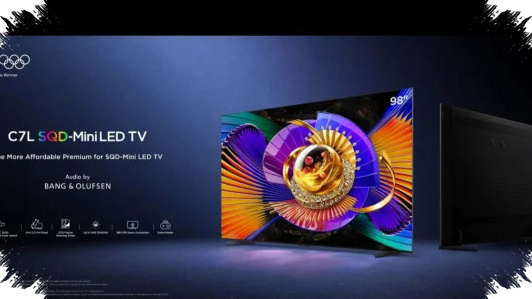
TCL has officially introduced the C7L series, a mid-range Mini-LED TV line that aims to deliver premium display performance without pushing buyers into flagship pricing territory. The new model targets users who want strong brightness, advanced gaming features, and a full smart TV package in one device.
The C7L stands out because TCL combines a 4K panel, Mini-LED backlighting, and gaming-focused tuning in a single product. It is designed for home entertainment buyers who value both cinematic image quality and fast responsiveness for next-generation consoles and PCs.
A Mid-Range TV Built Around Mini-LED Performance
TCL positions the C7L as a balanced choice in its 2026 lineup, sitting above basic mainstream TVs but below its most extreme premium sets. The company is clearly aiming at consumers who want many of the advantages of high-end Mini-LED technology, including stronger contrast and better HDR performance, while keeping the product accessible.
The panel uses TCL’s SQD-Mini LED system together with a CSOT HVA 2.0 screen. That pairing gives the TV more precise control over light output and dark areas, which is important for reducing the washed-out look that still affects many standard LED televisions.
TCL says the local dimming system varies by size, starting at around 800 zones and climbing to more than 2,000 zones on the largest model. In practical terms, more zones usually mean better control over highlights and shadows, which helps the picture look cleaner in films, sports, and dark game scenes.
The company also claims a peak brightness level of up to 3,000 nits. That figure matters because brighter TVs can keep HDR content punchy even in rooms with strong ambient light, and they can preserve detail in both bright skies and deep shadows.
Gaming Features Push the C7L Beyond Typical TV Use
One of the biggest selling points of the TCL C7L is its gaming specification. The TV supports a native 144Hz refresh rate on its 4K panel, which already places it ahead of many conventional televisions in the same class.
TCL also advertises VRR support that can rise to 288Hz through its Game Accelerator feature when paired with compatible HDMI devices. That higher figure is especially relevant for gaming scenarios where smooth motion and minimal input lag matter, although actual performance will depend on the source device and game support.
For console and PC players, the inclusion of HDMI 2.1 is important. It opens the door to higher-bandwidth gaming features, including better support for high frame rates, and the TV also supports AMD FreeSync Premium Pro to help reduce screen tearing and stutter during gameplay.
TCL adds Dolby Vision Gaming and low-latency behavior, which together make the C7L more suitable for action games, racing titles, and competitive play. The dedicated Game Master mode and Game Bar interface further improve usability by letting users adjust key gaming settings quickly without digging through the full menu system.
What TCL Says Makes the Picture Better
Beyond raw brightness numbers, TCL is emphasizing image-refinement technology. The company says the C7L includes halo-control features that combine a new generation of light-emitting chip, micro-lens design, and specialized algorithms to reduce blooming around bright objects.
Blooming remains a common criticism of Mini-LED televisions, especially in scenes that place bright elements against dark backgrounds. TCL’s approach suggests it is trying to improve precision in exactly the areas where Mini-LED TVs are often judged most closely by enthusiasts.
The HVA 2.0 panel also brings improvements in native contrast and color accuracy. TCL says it has added an anti-reflective layer as well, which should help the TV maintain visibility in bright rooms and improve off-angle viewing performance.
The supported HDR formats include Dolby Vision, HDR10+, and HLG. That broad compatibility is useful because different streaming services, broadcast sources, and movies use different standards, and a wider format list increases the chance that content will display as intended.
Display and HDR Details at a Glance
- 4K resolution panel
- Native 144Hz refresh rate
- VRR up to 288Hz through Game Accelerator
- Peak brightness up to 3,000 nits
- SQD-Mini LED backlighting
- CSOT HVA 2.0 panel
- Local dimming from about 800 to more than 2,000 zones
- Dolby Vision, HDR10+, and HLG support
That combination gives the C7L a spec sheet that is unusually ambitious for a mid-range Mini-LED model. It also shows how TCL continues to narrow the gap between mainstream and premium TV categories.
Audio and Smart TV Features Round Out the Package
TCL is not treating picture performance as the only headline feature. The company has also worked with Bang & Olufsen on the speaker tuning, and the C7L uses a 2.2-channel audio system with Dolby Atmos support.
A 2.2-channel setup usually adds more depth than basic stereo speakers, especially for dialogue clarity and bass presence. While it will not replace a dedicated soundbar or home theater system, the partnership suggests TCL is trying to give buyers a more complete in-box experience.
On the smart TV side, the C7L runs Google TV with built-in Google Assistant. That gives users access to a familiar interface, personalized recommendations, and voice control for searching content or adjusting supported connected devices.
Connectivity also looks current, with Wi-Fi and Bluetooth 5.4 included. Those features matter for linking wireless headphones, speakers, controllers, and other smart home accessories without friction.
Why the C7L Matters in TCL’s 2026 TV Strategy
The launch of the C7L follows TCL’s broader push to expand Mini-LED across more price tiers in 2026. The company has been focusing on TVs that offer high brightness, high refresh rates, and stronger gaming support, all of which have become major buying factors in the larger premium TV market.
TCL’s messaging suggests it wants the C7L to appeal to a wide audience. Movie viewers get high HDR brightness and broad format support, gamers get 144Hz native refresh and 288Hz acceleration, and everyday users get Google TV plus modern wireless connectivity.
That type of positioning is important because mid-range TVs now face stiff competition from both value-focused LCD models and more affordable OLED options. TCL is betting that Mini-LED, when tuned well, can offer a compelling middle ground with fewer brightness limitations and stronger everyday usability.
In fact, the C7L’s blend of image control, gaming features, and smart TV software makes it one of TCL’s more strategically important 2026 releases. For buyers looking for a high-performance living room display that does not rely solely on flagship branding, the C7L arrives as a feature-rich option built to compete on specifications that matter most in real-world use.