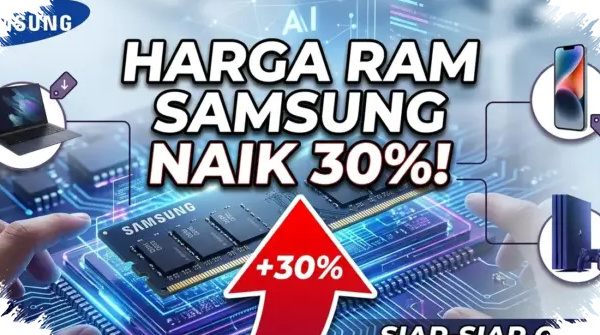
Samsung’s memory pricing has become a major concern for anyone planning to buy a new laptop, smartphone, or game console soon. According to a report cited from ETNews, Samsung has raised DRAM contract prices by as much as 30% for the second quarter of 2026, even as retail DDR5 demand in some markets has softened.
That move matters because RAM is one of the core components inside modern gadgets. When memory chips get more expensive at the factory level, the higher cost often reaches consumers later through pricier devices, smaller discounts, or fewer promotions.
Why Samsung Is Raising Prices
The main reason behind the increase is not simple retail demand. Industry reports say the memory business is being pulled in another direction by AI data centers, which need massive amounts of High Bandwidth Memory, or HBM.
As factories shift more production toward HBM, less capacity remains for standard DRAM used in consumer devices. That tighter supply gives suppliers more pricing power, and it can push contract prices higher even when shoppers are not rushing to buy.
AI Demand Is Reshaping the Memory Market
AI servers continue to absorb a large share of advanced memory production. This trend has been strengthening for months, and it has changed how chipmakers allocate their output across different product lines.
In practical terms, the market now faces a squeeze. The most profitable memory products for AI infrastructure get priority, while everyday DRAM used in PCs and phones becomes harder to source at lower prices.
This is why a retail price drop does not always reflect the real direction of the market. Store shelves may look cheaper for a while, but the wholesale contracts that manufacturers sign often determine what happens next.
What This Means for Everyday Gadgets
A 30% rise in RAM contract prices can affect more than just desktop upgrades. It can also touch the bill of materials for laptops, smartphones, gaming consoles, and tablets that rely on memory chips from the same supply chain.
Here is how the impact could show up in consumer products:
- Laptops and PCs may become more expensive, especially new models launched in the second half of 2026.
- Smartphones could see fewer discounts, since brands may need to protect margins by reducing promotions.
- Game consoles may face production cost pressure, especially devices that use high-speed memory.
- DIY upgrades may stay costly for longer, making RAM purchases less attractive for budget-conscious users.
The key point is that price increases do not always appear all at once. Manufacturers often absorb part of the pressure first, and then gradually pass it on to buyers.
Retail Prices Tell a Different Story, But Only for Now
There is an interesting split in the memory market right now. TrendForce reportedly observed falling retail prices for some DDR5 modules in the United States and Europe, while prices in China dropped sharply as traders rushed to clear inventory.
Some modules, including Corsair Vengeance kits, have seen softer pricing in retail channels. In China, prices reportedly fell as much as 30% below early-2026 levels, largely because of stock clearing and weak short-term demand.
That does not mean the broader market is safe from increases. Retail discounts can happen when sellers want to move old inventory, but those deals may vanish if new contract pricing keeps moving up.
Why the Gap Between Retail and Contract Prices Matters
This gap is important because contract prices shape the next wave of product pricing. If OEMs and module makers must pay more for fresh supply, they are less likely to keep retail prices low for long.
A simple way to understand it is this:
| Market Layer | What Is Happening |
|---|---|
| Factory contract prices | Rising, according to reports on Samsung’s Q2 2026 deals |
| Retail DDR5 prices | Mixed, with some temporary declines |
| Consumer device prices | Potentially higher over time |
That table shows why buyers should not assume cheap memory will last. A short-term sale can coexist with a broader upward trend in the underlying component market.
How Samsung Fits Into the Bigger Industry Picture
Samsung is not acting in isolation. Reports indicate that other major memory suppliers, including SK Hynix and Micron, are also operating in a market shaped by AI-driven demand and tighter supply allocation.
When leading manufacturers move in the same direction, the effect becomes stronger. That can create a pricing environment where future drops are harder to sustain, especially for mainstream DRAM that still powers most consumer electronics.
For gadget makers, this is a planning problem as much as a pricing problem. They need to secure enough memory supply for upcoming product cycles while trying to avoid pushing retail prices beyond what buyers will accept.
What Buyers Should Watch in the Coming Months
Consumers do not need to panic, but they should pay attention to how the market develops. Memory pricing changes often filter into device prices with a delay, so the first signs may appear in new product launches rather than in older models.
These are the signals worth watching:
- New laptop launches with the same specs but higher starting prices.
- Smartphone brands emphasizing “optimized pricing” instead of aggressive discounts.
- RAM kits that stop falling in price, even during normal retail sales periods.
- Console vendors or PC OEMs adjusting configurations to control costs.
- Limited stock on popular DDR5 capacities, especially in high-demand regions.
If those patterns appear together, it usually means contract pressure is starting to reach the consumer market.
Should Buyers Upgrade Now or Wait?
That decision depends on urgency. If you already need a new laptop, phone, or memory kit, waiting may not help if supply remains tight and contract prices keep rising.
If your current device still works well, you may want to monitor prices for a few weeks before buying. But the current direction of the market suggests that the cheapest window may already be closing.
The memory market often moves in cycles, yet AI demand has made this cycle more complicated than usual. For now, Samsung’s reported 30% DRAM price increase is a strong signal that gadget makers could face higher component costs, and buyers may soon feel that pressure in the final price of the devices they want.