


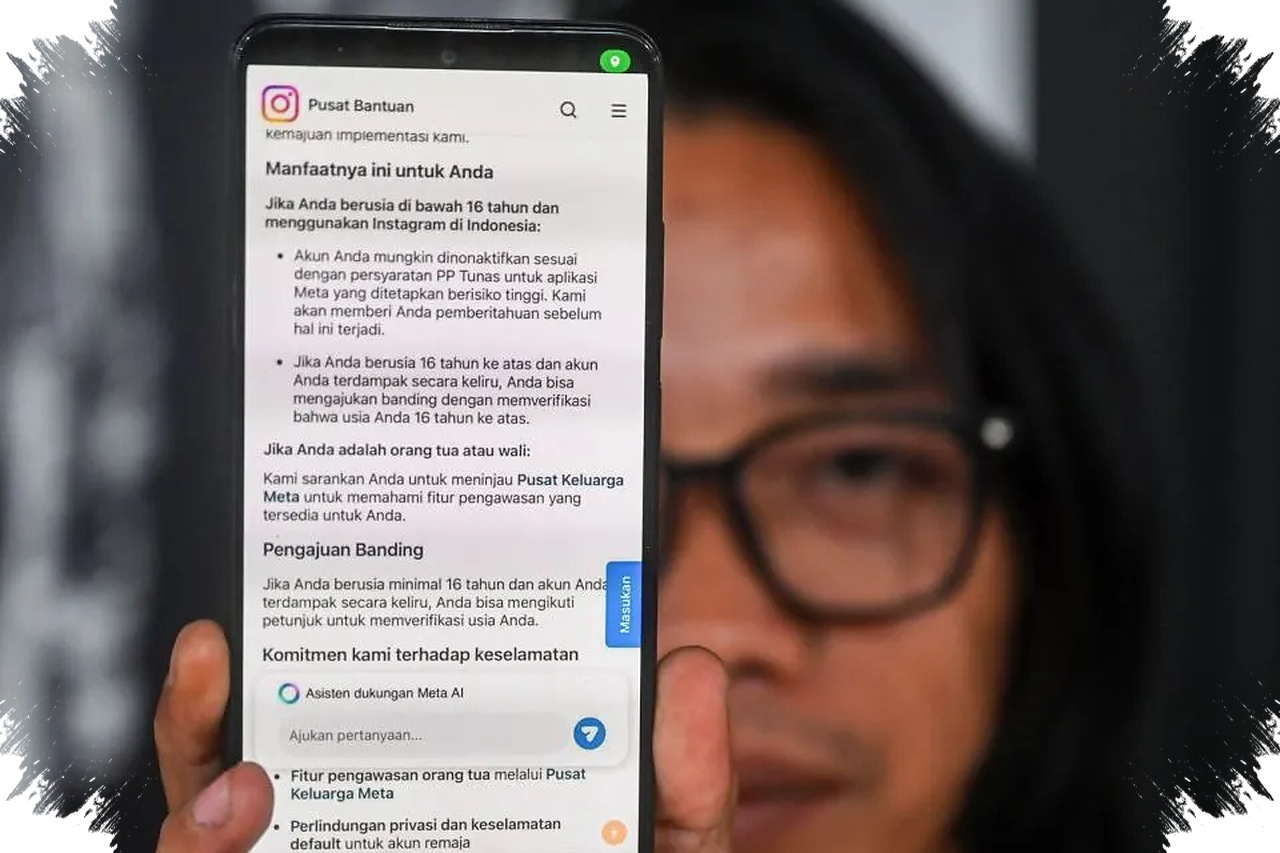
Meta and Google have appeared for a second round of questioning at Indonesia’s Ministry of Communication and Digital Affairs, as the government steps up scrutiny of major platforms over child-safety rules under PP Tunas. The ministry said both companies were asked to explain their compliance with social media restrictions and age-related protections that took effect on March 28, 2026.
Meta, the parent company of Facebook, Instagram, and Threads, came to the ministry on Monday, April 6. Google, which oversees YouTube, followed on Tuesday, April 7, and its examination reportedly continued from 10 a.m. through the day as officials reviewed the company’s response.
What Komdigi Is Investigating
According to Alexander Sabar, Director General of Digital Space Oversight at Komdigi, the ministry prepared 29 questions for the two companies. He said the questions were designed to dig deeper into suspected violations of PP Tunas, a regulation that focuses on restrictions and safeguards for underage users on social media platforms.
Alexander confirmed that Meta had already gone through the examination process and that Google was still being reviewed on Tuesday. He also asked the public to wait for the final result because the ministry still needs to study the responses and supporting documents.
Why the Government Is Pressing Harder
The second summons shows that Komdigi wants more than formal assurances from platform operators. The ministry is now checking whether the companies have followed the rule in practice, especially in areas such as age verification, account review, and the removal or deactivation of accounts belonging to users under 16.
This follows a broader push by the government to make digital platforms more accountable for youth safety. PP Tunas became active on March 28, 2026, and it requires platforms to take a more active role in identifying underage accounts and enforcing the rules once those accounts are found.
What Meta and Google Have Said So Far
Komdigi said Meta pledged to provide additional documents to complete the review. That suggests the company still needs to submit more information before the ministry can move to the next stage of oversight.
Google’s process was still ongoing during the ministry’s statement, and officials did not immediately disclose any findings. The ministry avoided making early judgments and instead stressed that the review must be completed before any conclusion is announced.
How the Review Process Works
The ministry’s approach appears to combine questioning, document review, and follow-up monitoring. Officials first ask the platforms to explain their internal procedures, then check whether those procedures match the law, and finally monitor how the platforms apply the rules in real cases.
- Komdigi summons the platform for questioning.
- Officials ask detailed questions about compliance with PP Tunas.
- The platform submits explanations and supporting documents.
- The ministry reviews whether the response is adequate.
- Komdigi moves to monitoring and enforcement if gaps remain.
This process matters because the government wants platforms to act before problems spread widely across their services. In practice, that means companies may need to detect underage users earlier and respond faster once they confirm a violation.
X and Bigo Live Set the Earlier Tone
Before Meta and Google’s second summons, Komdigi had already seen a more cooperative response from X and Bigo Live. Alexander said those platforms were fully cooperative in complying with the regulation, which suggests the ministry is comparing how different companies respond to the same legal obligation.
Even so, Komdigi is still waiting for a full report from all platforms on how many under-16 accounts have been blocked since PP Tunas started. That number has not yet been announced because the platforms are still verifying accounts and completing their internal processes.
What the Ministry Still Wants to Know
The ministry is especially focused on the verification chain. Officials want to know how platforms identify a suspected underage account, what checks they use, and what happens after a violation is confirmed.
Alexander said the ministry is waiting for the platforms to complete their own verification steps before deciding whether accounts should be deactivated or removed. That detail shows the government is not only asking whether platforms have rules on paper, but whether those rules work in day-to-day enforcement.
Why This Case Matters for Users and Platforms
The summons to Meta and Google is important because both companies run services used by millions of Indonesians, including many young users. Facebook, Instagram, Threads, and YouTube all sit at the center of the country’s online information ecosystem, so any new compliance standard can affect how accounts are created, monitored, and restricted.
For parents and guardians, the enforcement of PP Tunas may offer stronger protection against underage access to platforms that were not originally designed around local child-safety requirements. For companies, the process raises the bar for transparency, documentation, and moderation systems that can stand up to government inspection.
What to Watch Next
The next development will likely come from Komdigi’s review of the documents supplied by Meta and the final outcome of Google’s examination. Officials have not said when they will release a formal assessment, but the ministry has made clear that it will continue from examination to supervision.
The wider test now is whether the platforms can show concrete compliance with PP Tunas, including how many underage accounts they have found, how many they have removed or disabled, and how consistently they apply the rules across their services.