


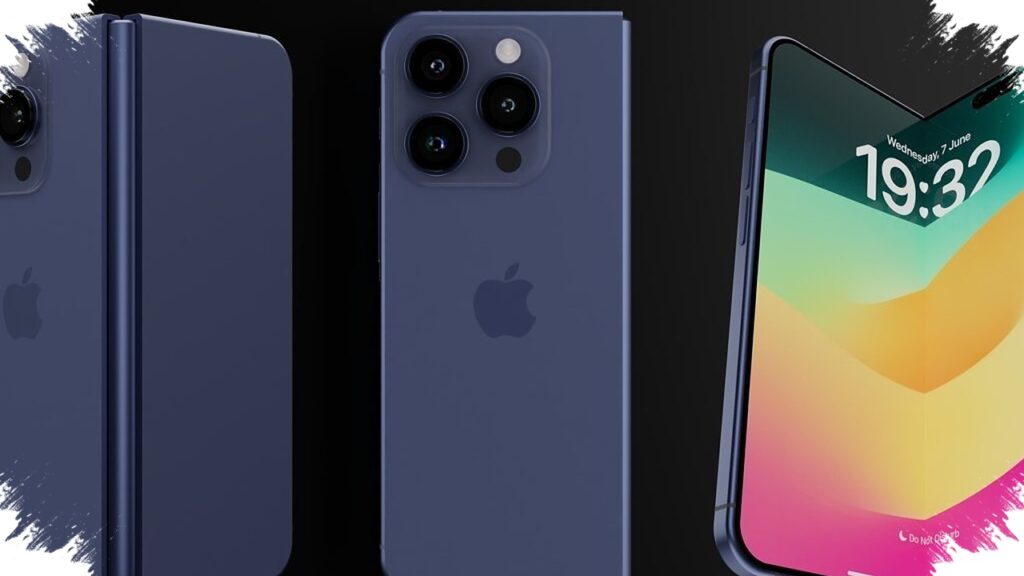
Apple is reportedly taking a major backstage step in preparing its first foldable iPhone by turning to Samsung Display for the key foldable OLED panel. The move suggests that Apple wants a proven supplier for one of the hardest parts of a foldable device: the screen.
According to a report cited by The Elec on Thursday, April 9, 2026, the device, which is still being discussed internally under names such as iPhone Fold or iPhone Ultra, will use a foldable OLED panel made by Samsung Display. The reported arrangement points to an exclusive supply relationship for three years, which would give Apple a stable source for a component that directly shapes durability, display quality, and long-term production plans.
Why Samsung Display matters here
Samsung Display has years of experience in foldable panel development, and that matters for a product category where small flaws can become expensive problems. Foldable phones must handle repeated bending, while still keeping brightness, touch response, and structural strength at a premium level.
Apple has often waited until a technology matures before it enters a new category, and that pattern appears to be continuing with foldables. Choosing Samsung Display suggests Apple is prioritizing manufacturing reliability over rushing into the market with an untested supply chain.
Exclusive panel supply for three years
The report says Samsung Display will supply the foldable OLED panel exclusively for the first three years. That means Apple would not be looking for another supplier for this core component during the launch period, which is a notable sign of trust in Samsung’s manufacturing capacity.
This kind of exclusive setup can help Apple control quality more tightly across the first wave of devices. It also gives Samsung Display a central role in shaping the hardware identity of Apple’s first foldable model.
Production is expected to start in 2026
The same report says panel production is scheduled to begin in the second quarter of 2026. Initial shipments are expected to reach around 3 million units, which signals that Apple is planning more than a limited technology test.
- Supplier: Samsung Display
- Panel type: Foldable OLED
- Supply arrangement: Exclusive for three years
- Production start: Q2 2026
- Initial shipment estimate: About 3 million units
A shipment target at that scale suggests Apple sees the device as a strategic launch, not a niche experiment. If those figures hold, the company could enter the foldable market with enough volume to compete seriously from the start.
CoE technology could make the display thinner
One of the most important technical details in the reported panel is the use of CoE, short for color-on-encapsulation. This design places the color filter layer on top of the encapsulation layer, which removes the need for a polarizer.
That change can help make the screen thinner and more efficient, both of which matter in a foldable phone. A slimmer panel can support a lighter body, better folding behavior, and a more refined feel when the device is opened and closed.
The panel is also said to use Samsung’s M14 light-emitting material. That material has already appeared in premium devices such as the iPhone 17 Pro Max, which indicates Apple may be combining a new display structure with components that already have a strong track record.
What this says about Apple’s foldable strategy
The foldable smartphone market has grown, but it still depends heavily on display engineering and durability. Apple’s decision to lean on Samsung Display shows that the company wants its first foldable to enter the market with fewer technical risks and a more mature supply base.
A possible launch alongside the iPhone 18 Pro and iPhone 18 Pro Max in September would place the foldable model inside Apple’s top-tier lineup. That would give the device a premium position from day one, with the screen partnership likely serving as one of the hidden foundations behind the product’s development.