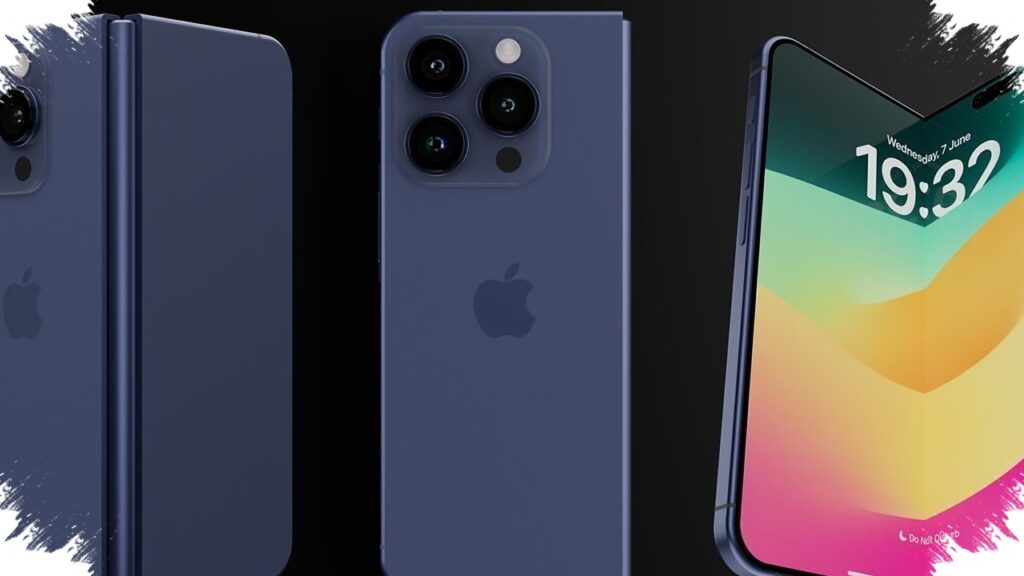
Apple is reportedly taking an unusual step in its long-rumored foldable iPhone push: leaning on Samsung Display for the key screen component. The move shows how difficult it has become to bring a foldable iPhone to market without compromising Apple’s quality standards.
According to the reference report, Apple has signed an exclusive three-year supply agreement with Samsung Display for the foldable OLED panel used in the iPhone Fold. That arrangement could keep Apple tied to Samsung until at least 2029 or 2030, a rare situation for a company known for spreading orders across multiple suppliers.
Why Apple had to turn to Samsung
Apple usually avoids dependence on one vendor because it prefers more bargaining power and a flexible supply chain. In this case, the company reportedly had limited options, and Samsung became the only practical choice for a foldable smartphone panel that could meet Apple’s requirements.
BOE, a major Chinese display maker, is said to fall short of Apple’s quality bar, even though its foldable screens already appear in some Huawei devices. LG Display also appears not ready to mass-produce foldable smartphone panels at the scale Apple needs.
That leaves Samsung in a unique position. It is Apple’s biggest rival in premium smartphones, but it is also one of the few companies with the manufacturing experience to supply advanced foldable OLED technology at commercial scale.
A rare supplier dynamic in the smartphone industry
The situation highlights a familiar reality in tech manufacturing: competitors often rely on each other behind the scenes. Apple and Samsung have fought for years in the global smartphone market, yet Apple still depends on Samsung for several critical components, including displays and memory in different product cycles.
Here, the dependence looks even more striking because foldable display production remains technically demanding. The panel must survive repeated bending, maintain brightness and color accuracy, and still meet Apple’s durability and reliability expectations.
Industry observers say that challenge may be one reason Apple has waited so long to enter the foldable category. The company rarely launches a product before it believes the hardware is ready for mass-market scrutiny.
Production targets show a cautious launch strategy
The reference article says Apple is aiming to ship about 3 million units of the iPhone Fold by the end of 2026. That number is far below earlier expectations that pointed to as many as 10 million units, suggesting Apple is preparing a small and controlled launch.
That approach fits Apple’s usual pattern for a new product category. The company often starts carefully, gauges consumer response, and then scales up only after it gains confidence in the supply chain and the market demand.
- Limited initial production can reduce manufacturing risk.
- It also helps Apple test durability and repairability in real-world use.
- A smaller launch gives suppliers more time to refine yields and cut defects.
Price could make the foldable iPhone a niche product
The expected price could also limit volume. The report places the iPhone Fold at around $2,325, which would make it one of the most expensive Apple products ever sold.
For comparison, that would place it well above top-tier iPhone Pro models and closer to the premium territory once occupied by Apple Vision Pro. A price that high would likely position the device as a halo product for early adopters rather than a mainstream iPhone replacement.
That pricing also suggests Apple may be targeting buyers who want a luxury device with advanced hardware rather than a mass-market foldable. It could help Apple protect margins while the foldable category remains expensive to build.
What this means for the foldable market
Apple’s reliance on Samsung signals that foldable displays are still not fully mature as an industry standard. The technology has improved quickly, but only a few manufacturers can deliver the volume, consistency, and reliability that a company like Apple demands.
Samsung’s role could give it an early advantage in shaping the next phase of the foldable market. At the same time, Apple’s entry could help validate the category for consumers who have waited for a foldable device with the company’s software ecosystem and design language.
The next few years will likely show whether Apple keeps the iPhone Fold as a premium niche product or expands it into a broader lineup. For now, the clearest sign is that Apple’s foldable future may depend on a rival company that has already spent years learning how to build flexible screens at scale.