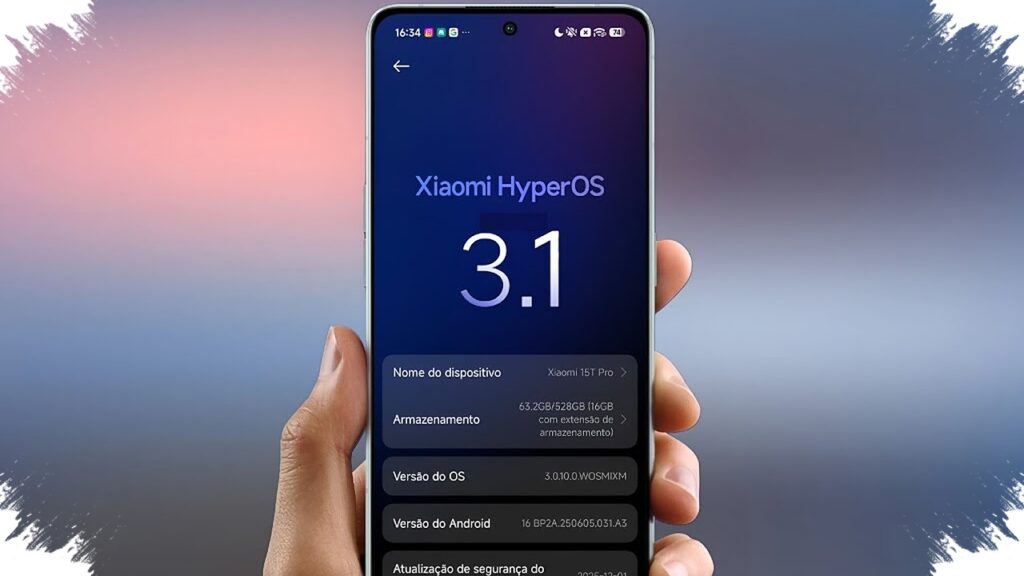
Xiaomi has started rolling out HyperOS 3.1 globally, and the update is now reaching more phones and tablets beyond the first wave on the Xiaomi 17 series. The rollout is gradual, so users need to check their own devices manually because availability can vary by region, model, and batch.
For Xiaomi owners who want to know whether their device is included, the current global list already covers several Xiaomi, Redmi, and POCO models. The update also brings new interface features, deeper system optimization, and stronger cross-platform support based on Android 16.
Global Xiaomi Devices Receiving HyperOS 3.1
As of the latest rollout, Xiaomi has confirmed HyperOS 3.1 for the following devices:
- Xiaomi 17
- Xiaomi 17 Ultra
- Xiaomi 15T Pro
- Xiaomi Pad 7
- Xiaomi Pad 7 Pro
- Xiaomi Pad 7 Ultra
- Xiaomi Pad 7S Pro
- Redmi Pad Pro
- POCO F7 Pro
- POCO Pad
This list is still limited, but it shows that Xiaomi is not restricting the update to flagship phones alone. Tablets and more affordable branded models under Redmi and POCO are already part of the global release plan.
The company is expected to expand the rollout in the coming weeks, which means more devices could join the list soon. For users, that makes regular update checks important, especially if their device is close to the current eligible lineup.
How to Check the Update on Your Device
Users can check the update directly from the phone settings. The process is simple and only takes a few steps.
- Open Settings.
- Tap About phone.
- Select the HyperOS logo or update section.
- Check whether HyperOS 3.1 is available for download.
Because Xiaomi is distributing the update in stages, a supported device may still show no update for a while. That does not mean the device is excluded, since server-side rollout timing often differs from one region to another.
What Is New in HyperOS 3.1
HyperOS 3.1 is based on Android 16, which gives Xiaomi room to improve both security and system performance. The update brings a more polished experience across phones and tablets, with several changes that affect daily use.
One of the most notable additions is HyperIsland on tablets. Xiaomi previously limited this feature to smartphones, but HyperOS 3.1 extends it to tablet devices as well. This helps create a more consistent experience across the company’s ecosystem.
On smartphones, HyperIsland also gets a refinement pass. Animations look smoother, the visual effects feel richer, and third-party app integration becomes more useful for live notifications and ongoing activities. Xiaomi appears to be focusing on making the feature more practical, not just more attractive.
The recent apps screen has also been redesigned. Xiaomi has moved toward a cleaner, more modern look that draws some visual inspiration from iOS, while keeping its own Android-based navigation style. Gesture movement feels smoother, and app cards respond faster when users switch between tasks.
Better Cross-Platform Support and Faster Updates
Another important change is native support for Apple AirPods. With this upgrade, compatible Xiaomi devices can show a quick pairing pop-up and access spatial audio features on supported models. That is a notable move for users who switch between Android and Apple accessories.
Xiaomi is also introducing Super OTA, a system designed to speed up updates and reduce reboot time. The company says this approach lowers the risk of update errors and makes the installation process more efficient for users.
Customization has not been ignored either. HyperOS 3.1 adds more lock screen options, giving users greater control over the look and feel of their device. HyperIsland elements also become more interactive, which adds flexibility for everyday use.
Why This Update Matters for Xiaomi Users
The practical value of HyperOS 3.1 goes beyond new visuals. Xiaomi says the update also improves responsiveness, stability, and overall system efficiency, which should help devices feel faster in both light and heavy workloads.
That matters for users who rely on their phones for gaming, multitasking, and productivity. If Xiaomi keeps the current rollout pace, more eligible models should receive the update soon, making HyperOS 3.1 one of the company’s most important system releases this year.